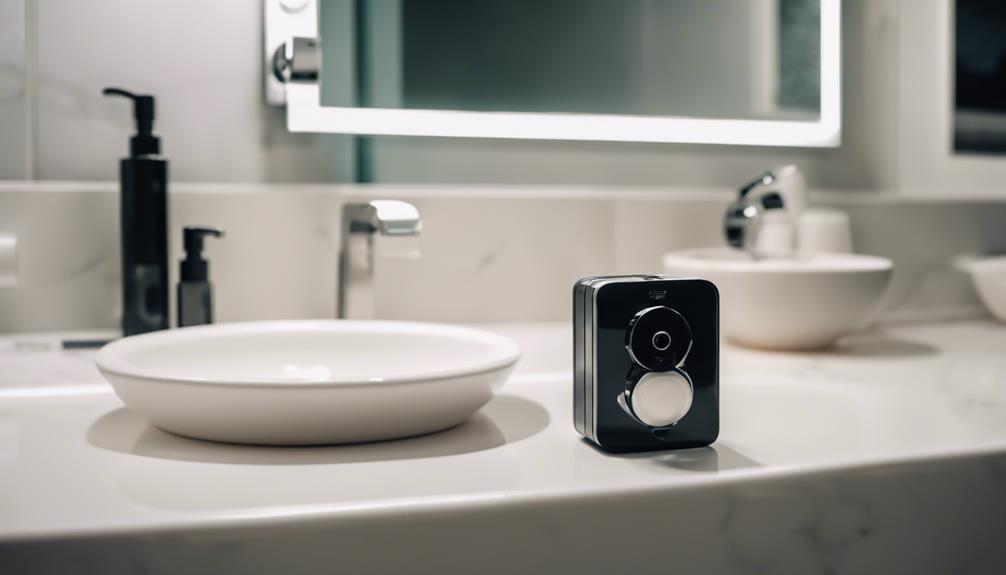

Hidden cameras in bathrooms are not an appropriate home-security solution. Bathrooms are highly private spaces, and recording people there without their informed consent can cause serious harm and may violate privacy, surveillance, or recording laws. Instead of choosing a covert bathroom camera, use security measures that protect the property without filming people while they use a private space.
Why bathroom surveillance is especially sensitive
A bathroom carries an expectation of privacy that is stronger than in most other areas of a home or business. Covertly recording visitors, family members, tenants, employees, or guests may be unlawful even if the camera is installed on property you own. Audio recording can create additional legal concerns, and sharing or storing intimate footage can increase the consequences of a privacy breach.
Rules vary by location and circumstance. Before installing any recording device, obtain advice based on the laws that apply where you live and consider whether every person being recorded has given informed consent. If you cannot meet those standards, do not record.
Safer alternatives to a hidden bathroom camera
If your concern is unauthorized entry, property damage, or a vulnerable person’s safety, place security equipment outside the bathroom rather than inside it. The goal should be to monitor access to the area, not private activity within it.
- Entryway cameras: A visible camera aimed at a hallway or entrance can document movement near the bathroom while avoiding the room itself. Keep the field of view limited and avoid capturing door openings or other angles that reveal private activity.
- Door and window sensors: Contact sensors can alert you when a door or window opens without recording anyone.
- Motion or occupancy sensors: A non-camera sensor may help identify unexpected activity while collecting less sensitive information.
- Water-leak detectors: If the concern is flooding or plumbing damage, a leak sensor can provide a more appropriate alert than video surveillance.
- Visible, consent-based monitoring: In care situations, discuss the safety need openly and use an arrangement that preserves dignity and follows applicable law.
Features to consider for privacy-respecting security
For cameras installed in hallways, entrances, or other permissible areas, choose equipment that supports careful data handling rather than covert recording. Useful features may include adjustable privacy zones, a physical lens cover, clear recording indicators, local storage, and account security controls. Motion alerts can reduce unnecessary recording, while encryption and strong unique passwords help limit unauthorized access.
Before buying, check where footage is stored, how long it is retained, whether remote viewing is optional, and how recordings can be deleted. Avoid devices that require excessive permissions or provide unclear information about data collection. Disable audio unless it is lawful, necessary, and covered by informed consent.
How to install security equipment responsibly
- Define the specific safety problem you are trying to solve.
- Choose the least intrusive technology that addresses that problem.
- Position cameras away from private rooms and restrict the viewing angle.
- Tell affected people about visible recording and provide appropriate notice.
- Secure accounts with strong passwords and multi-factor authentication where available.
- Set a short retention period and delete footage that is no longer needed.
- Review access logs and remove former users from the system.
If you suspect a hidden camera
If you find a suspected camera in a bathroom, avoid sharing images or confronting someone if doing so could put you at risk. If it is safe, document its location without unnecessarily handling it, leave the area, and contact the relevant authorities, property manager, or another trusted professional. Anyone affected should consider obtaining local legal advice and support.
Final guidance
The best approach to bathroom security is not a more discreet camera. It is a privacy-first plan using visible equipment outside the room, non-camera sensors, limited data collection, and informed consent. These measures can address legitimate safety concerns without turning an intimate space into a covert surveillance zone.