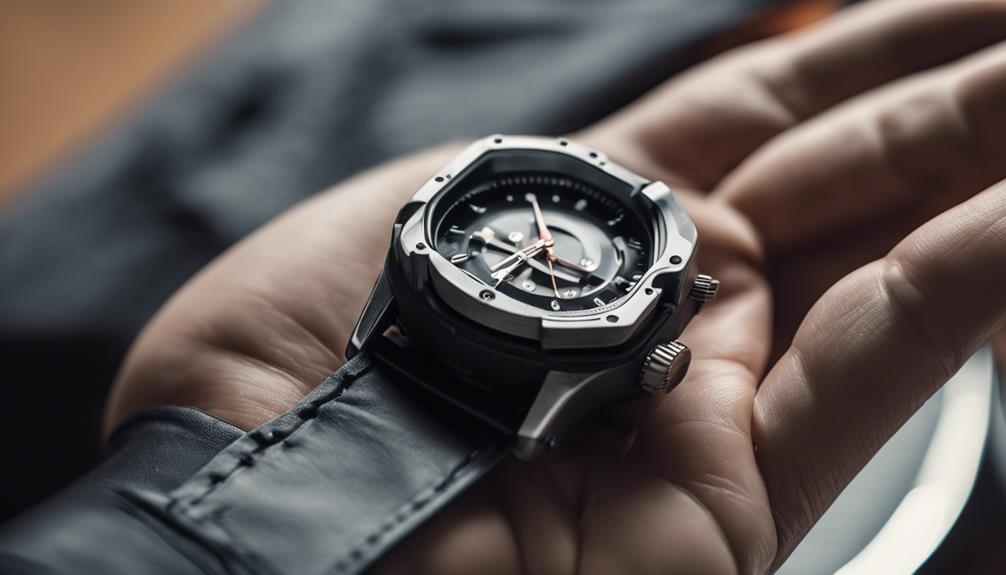

A watch spy camera combines the appearance of an ordinary wristwatch with a small built-in camera. Its main appeal is portability: the device can be worn or carried easily while recording video in situations where a conventional camera may be inconvenient. However, discreet design should never be confused with permission to record people without their knowledge. Before using one, check the privacy and recording laws that apply to your location and obtain consent where required.
Compact, Wearable Design
The watch format keeps the camera small and easy to carry. Unlike a larger handheld device, it can be worn on the wrist and accessed quickly when recording is appropriate. This makes it useful for documenting personal activities, demonstrations, interviews with consent, or situations where hands-free operation is helpful.
Its ordinary appearance may also make it less distracting than a traditional camera. Even so, users should avoid placing or using the device in private spaces such as bathrooms, changing rooms, bedrooms, or other areas where people reasonably expect privacy.
Video Quality and Recording Options
Video quality varies considerably between models. When comparing a watch camera, look beyond the headline resolution and review the practical recording features, including:
- Resolution: Higher resolution can make details easier to identify, although it may use more storage.
- Frame rate: A suitable frame rate helps produce smoother movement in recorded footage.
- Low-light performance: Small cameras may struggle in dim conditions, so realistic expectations are important.
- Audio: Some models include sound recording, but audio laws can be stricter than video laws in certain places.
- File format: Common formats can make it easier to transfer, play, and archive recordings.
A camera that produces clear footage in bright conditions may not perform equally well at night or indoors. If image detail matters, test the device in the lighting conditions in which it will actually be used.
Motion Detection
Motion detection allows the camera to begin recording when movement is identified rather than recording continuously. This can help conserve battery power and reduce the amount of unused footage that must be reviewed.
Performance depends on the sensor and software. Changes in lighting, moving backgrounds, or distant activity can sometimes trigger unwanted recordings, while small or partially obstructed movements may not be detected. Adjustable sensitivity and recording duration can be useful, but these settings should be checked before relying on the feature.
Battery Life and Storage
A watch camera’s small size limits the space available for both its battery and storage. Battery life can change substantially depending on video quality, motion detection, live viewing, and how often the display or wireless connection is used.
Check the manufacturer’s stated recording time under conditions similar to your intended use. It is also worth confirming how footage is stored, how much capacity is available, and whether the device supports removable memory. Higher-quality video fills storage more quickly, so regularly transferring important files is sensible.
Live Viewing and Device Connectivity
Some watch cameras can connect to a phone or another device for remote control, file transfer, alerts, or live viewing. This can make setup and playback more convenient, but connectivity features may require a companion application and a compatible operating system.
Wireless monitoring also introduces security considerations. Use strong account credentials, keep the application updated, and avoid sharing recordings through unsecured channels. Live streaming should be used only in lawful, clearly authorised situations.
Ease of Use
Simple controls are especially valuable on a wearable camera. Look for clearly labelled buttons, an indicator that shows when recording is active, straightforward charging, and an uncomplicated method for reviewing or exporting files. A discreet device should not make it difficult to confirm whether it is recording or whether the battery and storage are sufficient.
Responsible Use
The most important feature of any watch spy camera is responsible operation. Recording people without appropriate permission can violate privacy, workplace rules, or local laws. Before using one, consider who may appear in the footage, where the recording will take place, whether audio is enabled, and how long the files will be retained.
Used transparently and within the law, a watch camera can offer a portable way to document events. Its compact size, recording functions, motion detection, connectivity, and wearable design are useful advantages, but no feature replaces careful attention to consent, security, and privacy.