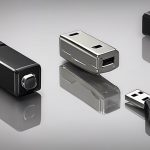

Cameras are used for many reasons, from protecting property to checking on people, pets, and business operations. Some situations call for visible security cameras because their presence can deter unwanted activity. Others involve discreet monitoring, where a smaller or less noticeable device may be considered for a specific safety or documentation purpose. Understanding why cameras are valuable helps reveal practical covert uses for discreet home and business monitoring.
However, a camera should not be chosen simply because it is easy to hide. The purpose of the monitoring, the location, the people who may be recorded, and the laws in the relevant jurisdiction all matter. Responsible use means collecting only the footage needed for a legitimate reason and protecting that footage once it has been recorded.
Why people consider discreet cameras
Compact cameras can be useful when a large, visible device would be impractical, distracting, or easily obstructed. Homeowners may want to review activity near an entryway, garage, storage area, or other part of a property. Families may also use cameras to check on pets or to understand whether an elderly relative needs assistance, provided that the arrangement respects the person’s privacy and consent requirements.
Small businesses may consider cameras for security, incident review, or employee safety. Recorded video can help clarify what happened during a theft, property-damage incident, workplace accident, or dispute. In many cases, a visible camera and clear notice are more appropriate than concealed surveillance, especially in areas used by employees, customers, tenants, or visitors.
Common legitimate applications
- Property protection: Monitoring entrances, garages, storage areas, or other locations where unauthorized activity is a concern.
- Safety checks: Reviewing activity around children, pets, or vulnerable family members when the monitoring is lawful and ethically justified.
- Business security: Documenting incidents involving theft, damage, disputes, or access to restricted areas.
- Remote awareness: Using live or recorded video to check whether a delivery arrived or whether a particular area requires attention.
- Incident documentation: Preserving a record that may help with an internal investigation, an insurance claim, or a report to authorities.
These uses do not automatically make hidden recording appropriate. A person’s expectation of privacy remains important, and the least intrusive option should generally be considered first.
What to consider when selecting a camera
The right camera depends on the area being monitored and the type of footage needed. Resolution affects how clearly details can be viewed, while lighting conditions determine whether the image remains useful at night or in a dim room. Battery-powered models may be easier to position, but wired cameras can be more suitable when continuous operation is required.
Connectivity and storage also deserve careful attention. A wireless camera may depend on a reliable network connection, while local storage can reduce reliance on an outside service. Features such as motion detection, recording schedules, user access controls, and encrypted data can help limit unnecessary recording and protect footage from unauthorized access. Understanding why cameras differ can make selecting a coordinated camera setup for your needs much easier.
Placement should provide a clear view without covering more of an area than necessary. Avoid pointing a camera toward private spaces, neighboring property, or locations where people reasonably expect to be unobserved. Before installation, consider whether a visible camera, better lighting, a doorbell camera, an alarm, or improved access control could solve the problem with less intrusion.
Legal and ethical responsibilities
Surveillance laws vary by location and may depend on whether video, audio, or both are recorded. Rules can also differ between a private home, workplace, rental property, retail setting, and shared building. Recording in bathrooms, bedrooms, changing areas, or other private spaces is especially problematic and may be unlawful.
Consent or notice may be required when recording employees, tenants, guests, customers, caregivers, or other individuals. Audio recording can create additional legal concerns, so camera owners should not assume that a device is acceptable merely because it is installed on their property. When the situation is unclear, obtain advice from a qualified local legal professional before recording.
Use footage carefully
Limit access to people who genuinely need it, use strong account credentials, install available security updates, and avoid keeping recordings longer than necessary. Choose a supplier that explains how video is stored, how accounts are secured, and how data can be deleted. A camera that improves physical security should not create an avoidable digital-privacy risk.
Cameras can support safety, property protection, and incident review, but effective monitoring is not only a technical decision. The strongest approach combines a clear purpose, appropriate equipment, careful placement, secure data handling, and respect for privacy. When those conditions cannot be met, a visible or non-camera security measure may be the better choice.