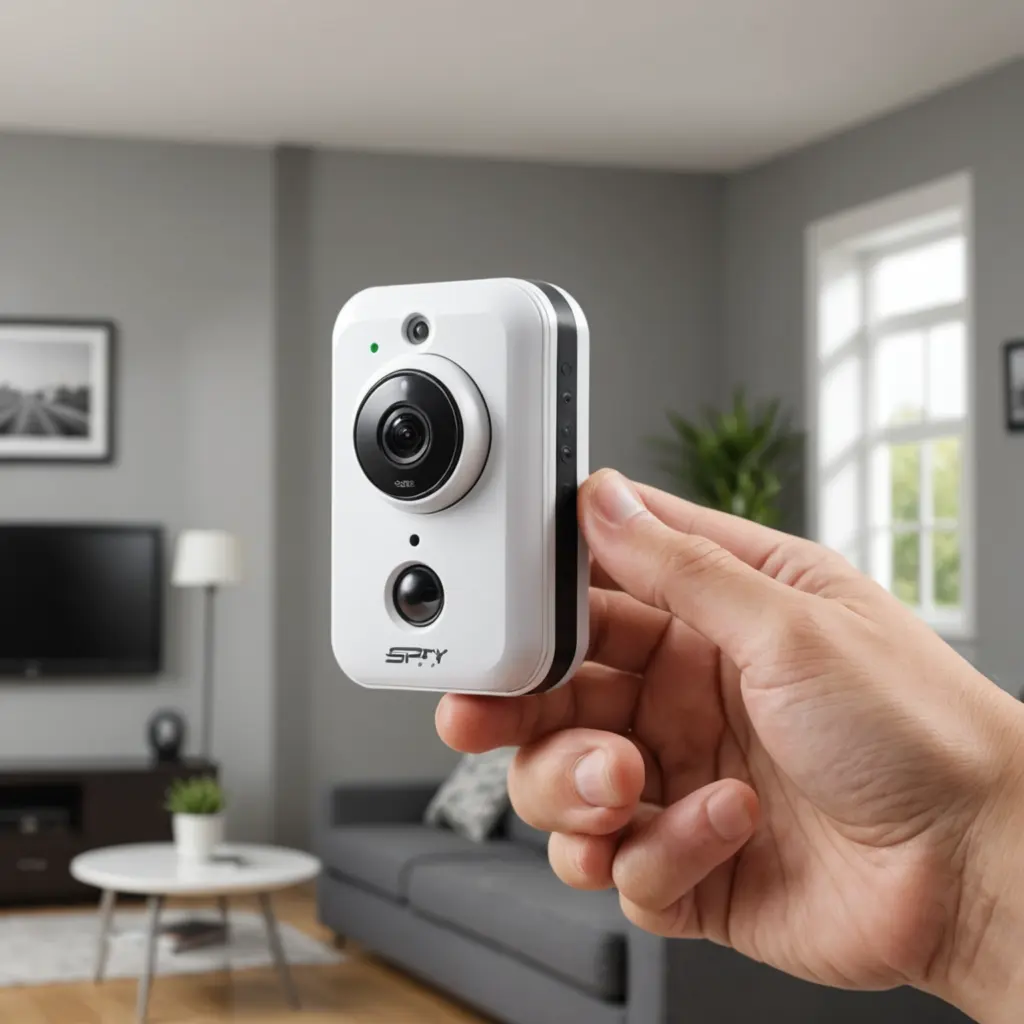

A 360-degree trail camera is designed to monitor a wider area than a conventional camera aimed in one direction. Instead of relying on several cameras to cover different approaches, a panoramic model can capture activity around a tree, feeder, trail, building, or property boundary with fewer blind spots. Explore how rotating lens design enhances covert monitoring capabilities when comparing trail cams and spy systems.
These cameras can be useful for wildlife observation, hunting, property monitoring, and research. The right choice depends on more than the viewing angle, however. Image quality, trigger performance, connectivity, power, storage, and installation all affect how well a camera performs in the field.
How 360-degree trail cameras capture a scene
Panoramic trail cameras use different designs to create a broad field of view. Some use several lenses, while others use a rotating camera head or a wide-angle lens combined with software that joins images together. Each approach has trade-offs involving coverage, image detail, moving subjects, and power consumption.
A wider view can simplify camera placement, but it does not automatically guarantee better identification. Before buying, check how the camera records subjects at the edges of the frame and whether panoramic images, photographs, and video are all supported. A camera may offer broad coverage while providing more detail in a cropped or narrower view.
Connectivity options
Connectivity determines how easily you can check a camera without visiting the site.
- Cellular: A cellular trail camera can transmit images and alerts over a mobile network. This is useful for remote scouting or security monitoring, but you should check coverage at the installation location and account for any ongoing service charges.
- Satellite: Satellite-enabled cameras are intended for locations where cellular service is limited or unavailable. They can be helpful for sending important alerts from remote areas, although they generally involve higher costs and may transmit more slowly than cellular systems.
- Bluetooth: Bluetooth is mainly useful for short-range setup. It can let you adjust settings from a nearby phone without removing the camera or opening its housing.
- Wi-Fi and app access: Some models provide wireless configuration, remote viewing, or notifications through an app or web portal. Confirm what the connection supports, since “live view” may mean on-demand images rather than continuous streaming.
Power and deployment time
Power management is especially important when a camera is installed in a difficult-to-reach location. Battery-powered models are straightforward to deploy, but transmission frequency, video recording, cold conditions, and repeated motion triggers can affect how often batteries need attention.
Solar trail cameras and solar-cellular hybrids use a solar panel to extend battery life in suitable conditions. A battery backup can provide additional reliability when sunlight is limited. When comparing solar systems, look at the panel size, mounting options, charging arrangement, battery compatibility, and available power-saving settings. Reducing unnecessary transmissions or limiting video length can also help conserve energy. For flexible monitoring beyond panoramic coverage, compare Bluetooth wireless options that simplify remote image transfers in the field.
Image quality and motion detection
Resolution matters most when you need to identify an animal, inspect an event, or study behavior. Compare both still-image and video specifications rather than focusing only on a headline resolution. Low-light performance, image sharpness at the edges, night illumination, and the ability to save or transmit full-resolution files may be equally important.
Most trail cameras use passive infrared motion detection. More advanced systems may include software-assisted detection intended to reduce false triggers from moving vegetation or other non-target activity. Look for adjustable sensitivity, detection range, trigger speed, and recovery time. A camera that detects motion quickly but takes too long to become ready again may miss subjects moving through the scene.
Choosing a camera for different uses
Hunting and wildlife observation
For hunting, a 360-degree camera can help reveal movement from several directions around a feeding area, trail, or stand. Prioritize durable construction, camouflage or a low-visibility finish, dependable night images, long battery life, and easy mounting. Wildlife observers and researchers may also value scheduled capture, video recording, and remote access that reduces the need to visit the site frequently.
Property monitoring
For outdoor security, notifications and dependable connectivity may matter more than maximum video resolution. A cellular model can send alerts when motion is detected, while a live-view feature may help you inspect the area remotely. Consider whether the camera records locally as well as transmitting files, since network availability can vary.
Discreet placement requires particular care. Follow local laws and privacy rules, especially when a camera could record neighboring property, public areas, or identifiable people. Covert monitoring should never override legal or ethical responsibilities.
What to check before buying
- Actual coverage pattern and performance near the edges of the image
- Photo and video quality in daylight and at night
- Motion-sensor range, trigger behavior, and recovery time
- Cellular or satellite availability at the installation site
- Subscription fees, SIM requirements, and app compatibility
- Battery type, solar charging options, and power-saving modes
- Weather resistance, mounting flexibility, and housing durability
- Local storage, remote backup, and limits on transmitted data
A 360-degree trail camera can simplify wide-area monitoring, but its value depends on matching the design to the location and task. Compare coverage with image detail, convenience with operating cost, and connectivity with power demands. That balance will help you choose a camera suited to scouting, wildlife observation, security, or long-term remote monitoring.