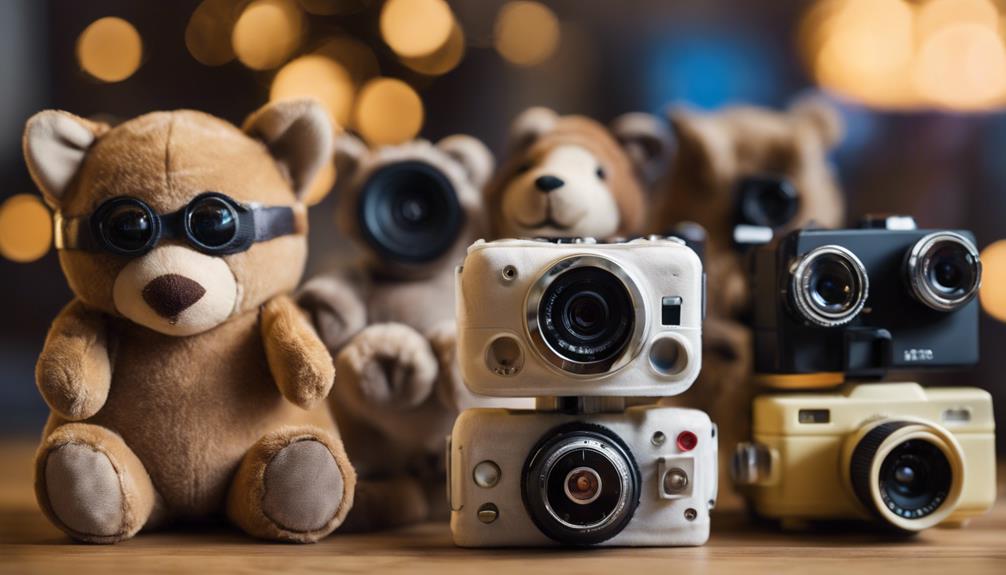

Stuffed animal cameras are designed to conceal a small recording device inside a familiar plush toy. The legacy options associated with this category include teddy bears, owls, bunnies, dog toys, cats, monkeys, and unicorns. Their appeal comes from an unobtrusive appearance, but their features and suitability can vary considerably.
Before using any hidden camera, check the privacy and recording laws that apply where you live. Recording people without appropriate notice or consent may be unlawful, especially in private spaces. Never place a recording device in a bathroom, bedroom, changing area, or another location where people reasonably expect privacy. These products should be used only for legitimate, lawful purposes.
Seven stuffed-animal camera designs
1. Teddy bear camera
A teddy bear is one of the most familiar disguises for a concealed camera. Its ordinary appearance can make it suitable for a shelf or common room when everyone being recorded has been properly informed. The legacy description highlights high-resolution video, motion detection, performance in low light, and optional accessories such as bows or hats. In practice, check the exact model for video quality, lens placement, storage method, and whether motion recording can be adjusted.
2. Owl plush surveillance device
An owl design may be useful when a plush bird would look natural among other decorations. The described feature set includes night vision and remote live viewing through a phone or computer. If those functions matter, confirm whether the camera requires a particular app, a Wi-Fi connection, or a subscription. Also check how alerts work and whether remote access is protected by a strong password.
3. Bunny stuffed animal camera
A bunny camera is intended to blend into nurseries, playrooms, or other areas where plush toys are already present. The legacy article describes a hidden lens and high-resolution recording. A bunny should not be treated as automatically appropriate for monitoring children or caregivers; clear notice and consent remain important. Look for a design that keeps the lens unobstructed without making the toy uncomfortable or unsafe for children to handle.
4. Dog toy with a hidden camera
A camera concealed in a dog toy offers a different placement option from a traditional stationary plush. It may be useful for observing a shared room or checking activity around a pet area, provided the device is secure and cannot be chewed, swallowed, or damaged. Review the toy’s construction, charging method, recording angle, and resistance to movement before using it around animals.
5. Cat plushie camera
A cat plushie can fit naturally into a home office, living room, or child-friendly space. The feature list associated with this design includes audio and video recording, motion detection, remote access, and possible night vision. Audio recording deserves particular attention because laws governing conversations can be stricter than those governing video. If audio is not necessary, disabling it may reduce privacy risks.
6. Monkey plush monitoring device
A monkey design provides another playful disguise for a camera intended for a common area. The legacy description mentions high-definition video and audio, motion detection, and night vision. When comparing models, prioritize reliable placement and clear documentation over a long feature list. A camera that cannot maintain a stable connection or clearly indicate when it is recording may be difficult to use responsibly.
7. Unicorn stuffed toy camera
A unicorn camera is designed to disappear among colorful children’s decorations. The described capabilities include high-definition recording, motion detection, night vision, remote control, and alerts sent to a connected device. Because a child’s room is particularly sensitive, use this type only with the knowledge and consent of the appropriate adults, and avoid recording visitors, babysitters, or other household members without lawful notice.
Features worth comparing
- Video quality: Look for clear footage and a viewing angle suited to the room rather than relying on a headline resolution.
- Low-light performance: Night vision can help in dark conditions, but infrared illumination may be visible on some devices.
- Motion detection: Adjustable sensitivity can reduce unnecessary recordings and notifications.
- Storage: Determine whether footage is saved locally, to removable media, or through a cloud service.
- Power: Check battery life, charging time, and whether the toy must remain connected to an outlet.
- Security: Change default passwords, install updates when available, and secure any account used for remote viewing.
- Audio controls: Choose a model that allows audio recording to be disabled when it is not needed.
Choosing a suitable option
The best design depends less on the animal and more on the intended, lawful setting. Consider whether the toy will remain stationary, whether low-light recording is necessary, how footage will be stored, and who may be captured in the frame. A visible indoor camera with a status light may be a better choice when transparency is required. Whatever form you select, use it carefully, disclose recording where required, and treat privacy as an essential feature rather than an afterthought.