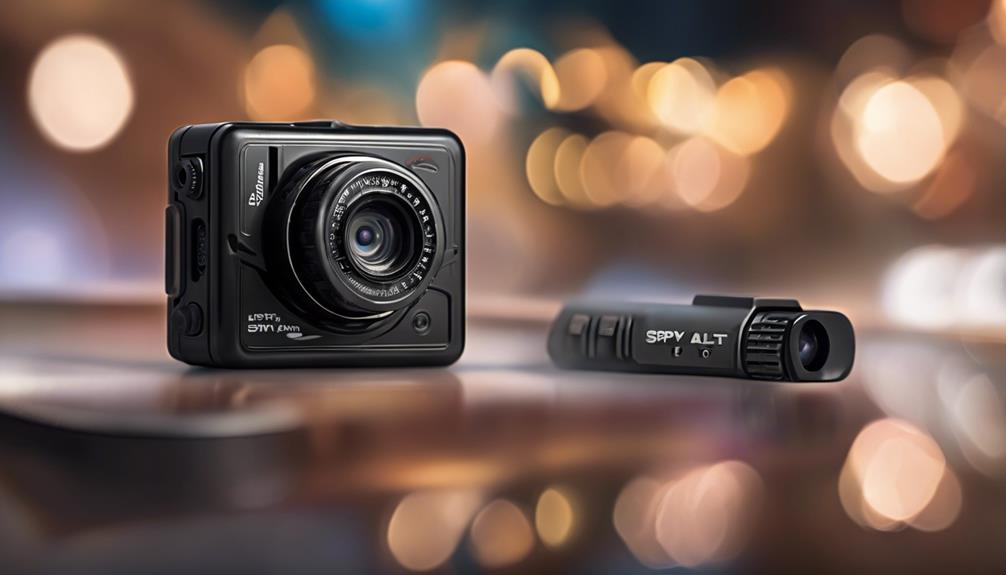

A First Alert spy camera should be evaluated on more than its size or appearance. The right model needs to provide useful video, dependable alerts, secure access, and a setup that fits the location where it will be used. Before buying or installing one, compare the following features and consider the privacy rules that apply to surveillance in your area.
1. Discreet, Compact Construction
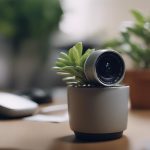
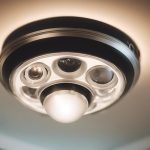
A small camera is easier to position without dominating a room or interfering with normal activity. Look for a design that can sit on a shelf, attach to a wall, or fit naturally into the intended setting. Compact construction is useful when monitoring needs to be unobtrusive, but it should never be used to record people in places where they reasonably expect privacy.
2. Clear Video Recording
Video quality determines how useful recorded footage will be. A suitable camera should produce clear images in the conditions where it will operate, with enough detail to review activity and identify important events. Consider the available recording settings as well as storage requirements, since higher-quality video generally requires more space.
3. Motion Detection
Motion detection can make surveillance more efficient by triggering recording or alerts when movement occurs. This helps reduce unnecessary footage and makes important events easier to find. Before installation, consider the camera’s position and the amount of normal movement in the area. A poor placement may create frequent unwanted alerts or miss activity outside the detection zone.
4. Night Vision and Low-Light Performance
Monitoring should not stop when the room becomes dark. Night vision, typically supported by infrared illumination, can help the camera capture activity in low-light or dark conditions. Review how the camera performs at night in the specific location, especially if the area contains reflective surfaces, windows, or changing light sources that could affect the image.
5. Remote Viewing and Control
Remote access allows you to check a live camera feed without being physically present. Depending on the model and its supported system, viewing may be available through a smartphone, tablet, or computer. Remote controls can also make it easier to review footage or adjust selected settings. Protect this access with a strong, unique password and avoid sharing account credentials.
6. Two-Way Audio
Two-way audio adds communication to video monitoring. A built-in microphone and speaker may allow you to hear activity and speak through the camera, which can be useful for permitted household or property-monitoring situations. Audio recording can be subject to different rules from video recording, so check local requirements before enabling this feature.
7. Simple Installation
A practical camera should be straightforward to install and configure. Look for clear setup instructions, flexible placement options, and a connection process that matches your network and equipment. A simple installation reduces the chance of positioning errors and makes it easier to move the camera if the original location does not provide adequate coverage.
8. Mobile App Compatibility
A companion mobile app can bring live viewing, motion alerts, playback, and camera settings into one interface. Confirm that the app supports your smartphone or tablet before purchasing. It is also important to keep the app, camera firmware, and connected accounts updated when security or reliability updates become available.
9. Storage Choices
Storage affects how long footage remains available and how easily it can be reviewed. Depending on the system, recordings may be saved locally, remotely, or through a cloud service. Cloud storage can make footage accessible from different locations, while local storage may reduce dependence on an online subscription. Compare capacity, retention periods, retrieval options, and any subscription terms before choosing a setup.
10. Data Security and Encryption
Surveillance footage may reveal sensitive information about a home, workplace, or family. Look for security measures that protect data during transmission and storage, including encrypted connections and secure account access. Use a strong password, enable available sign-in protections, and limit access to people who genuinely need it. Security features are valuable only when the system is configured and maintained responsibly.
Use a Spy Camera Responsibly
Before recording, confirm that the intended use complies with local privacy and surveillance laws. Do not place a camera in bathrooms, bedrooms used by others, changing areas, or other private spaces. If audio is enabled, verify whether consent is required. Clear notices or permission may be appropriate in shared or business environments.
In short, the best First Alert spy camera is not simply the smallest option. Compare video clarity, motion detection, nighttime performance, remote access, audio, installation, app support, storage, and security together. Matching those features to the location and using the system lawfully will produce more reliable monitoring and better protection for the people and property involved.