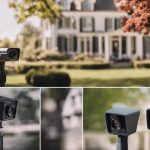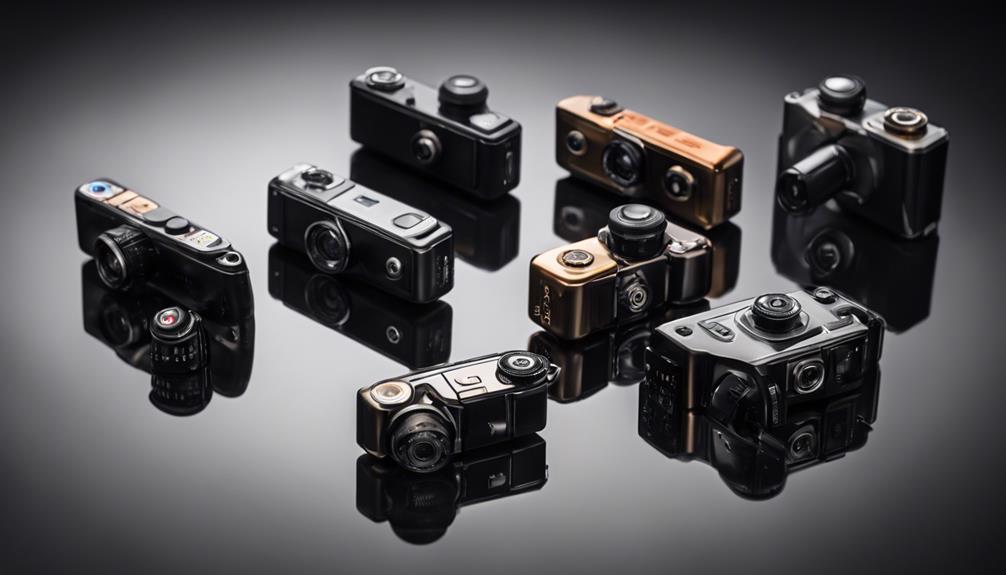

Mini SD spy cameras come in several designs, each suited to a different monitoring situation. Some prioritize a small footprint, while others add motion detection, night vision, wireless access, or wearable recording. The best choice depends on where the camera will be used, how long it must operate, and whether you need local storage or remote viewing.
Before buying, confirm that the camera supports the type and capacity of memory card you intend to use. “Mini SD” is often used broadly in product descriptions, while many compact cameras use a microSD card. Check the manufacturer’s instructions rather than assuming cards or accessories are interchangeable.
1. Ultra-Mini Camera
An ultra-mini camera is designed for situations where a compact form matters most. Its small body can make it easier to place discreetly in a room, vehicle, or other permitted location without adding bulky equipment.
Look for the recording quality, battery runtime, storage method, and controls before choosing one. A very small design may be convenient, but it can also mean smaller controls or a limited battery. This style is best for short recording sessions or locations where a low-profile device is important.
2. Wireless Hidden Camera
A wireless hidden camera can reduce the need for visible cabling and may offer live streaming or remote access. This makes it useful when you want to check a permitted space without returning to the camera to retrieve the memory card.
Wireless features can vary considerably. Some models may support remote viewing, while others simply transfer files over a local connection. Check whether the camera requires a dedicated app, how footage is stored, and what happens if the wireless connection is interrupted. Local recording to a memory card can provide a useful backup when available.
3. Motion-Activated Mini Camera
A motion-activated camera begins recording or taking images when movement is detected instead of recording continuously. This can help conserve battery power and storage capacity, particularly when the camera is used for longer periods.
Motion detection is most useful when the camera is positioned toward an area where movement is expected. Review the available sensitivity and recording settings, since a busy background may trigger more recordings than necessary. Test the camera in its intended position before relying on it.
4. Night-Vision Mini Camera
A night-vision mini camera is intended for dim environments. Infrared illumination can help the camera record when ordinary lighting is limited, making this format suitable for permitted nighttime monitoring or poorly lit areas.
Night vision does not guarantee clear footage in every setting. Image quality depends on distance, obstructions, the camera’s placement, and the amount of available light. If nighttime recording is important, test both daytime and low-light performance and check whether infrared illumination is visible in the intended environment.
5. Wearable Body Camera
A wearable body camera is designed to be carried on clothing or equipment while recording as the user moves. Its hands-free format can be useful for documenting work activities, inspections, or events where holding a camera is impractical.
Some models may include live streaming or GPS tracking, but these features should be confirmed for the specific device rather than assumed. Comfort, attachment security, microphone performance, and battery life are especially important when the camera will be worn for extended periods.
6. Pen-Style Covert Camera
A pen-style camera uses a familiar, portable form factor for discreet recording. It can be convenient for interviews, meetings, or documentation where a conventional camera would be distracting, provided recording is lawful and appropriate.
Because the lens is usually small and positioned on the pen body, framing can take practice. Check how recording is started, whether the device provides a recording indicator, and how easily files can be transferred to a computer or memory card.
7. Mini Camera With Audio Recording
A mini camera with audio recording captures sound as well as video, adding context that images alone may not provide. This can be useful for authorized documentation, but audio recording is often subject to stricter privacy rules than video.
Before using this feature, confirm that everyone who must be notified has been informed and that the recording is permitted where you are located. If audio is unnecessary, disabling it may reduce privacy concerns while still allowing you to record video.
How to Choose the Right Mini SD Spy Camera
- Storage: Verify the supported memory-card format, capacity, and whether a card is included.
- Power: Compare battery runtime with the length of the recording session. Motion activation may help reduce unnecessary recording.
- Lighting: Choose night vision only when low-light recording is genuinely required, and test the results beforehand.
- Access: Decide whether removable storage is sufficient or whether wireless viewing is necessary.
- Placement: Consider the viewing angle, mounting method, and whether the camera will remain stable.
- Privacy: Use any camera only in locations and situations where recording is lawful and respectful of people’s reasonable expectations of privacy.
Use Mini Cameras Responsibly
A compact camera can support home security, personal documentation, or authorized workplace monitoring, but its small size does not remove legal or ethical responsibilities. Pay particular attention to consent requirements for audio, recording in private spaces, and the secure handling of captured footage. Choose the camera type that matches your legitimate purpose, test it before use, and store recordings safely.