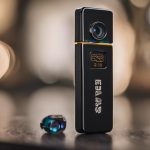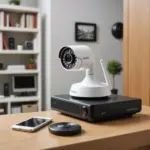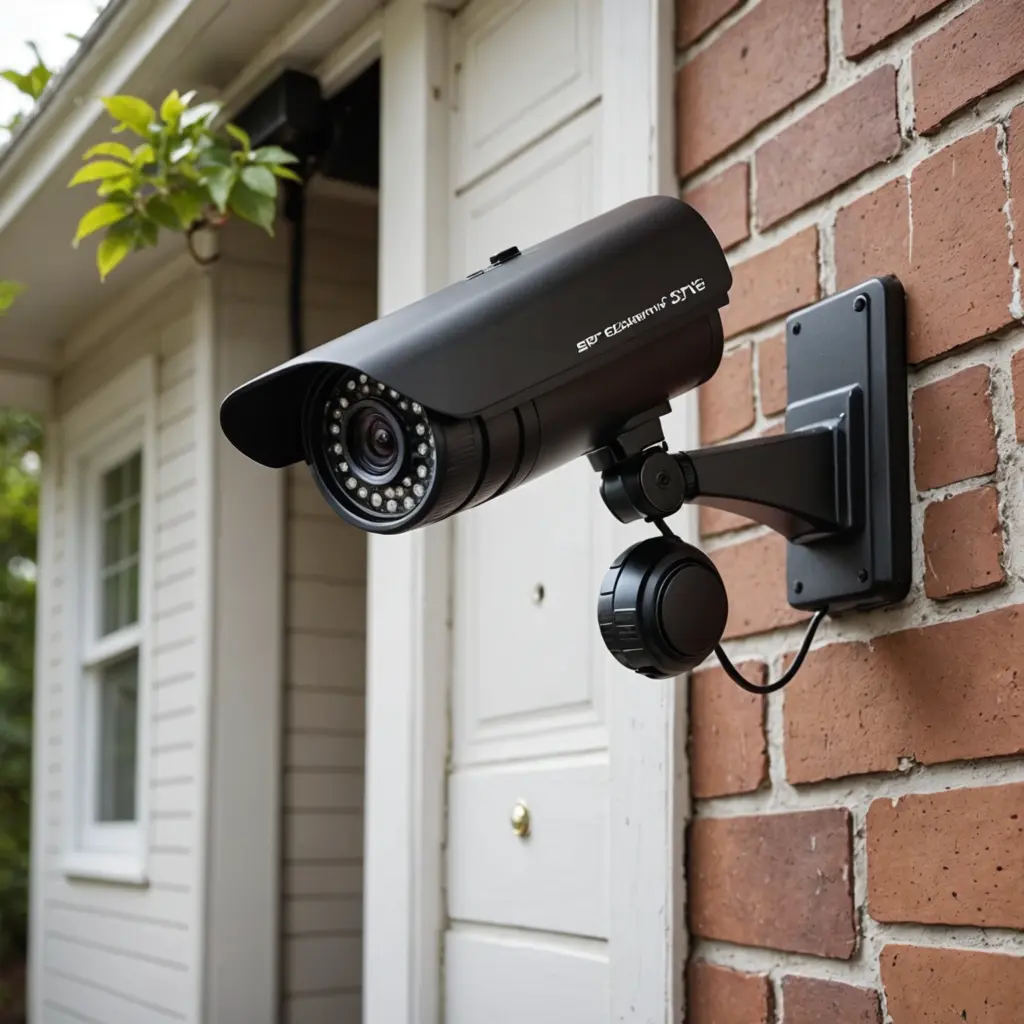

A discreet camera can add useful visibility to a home without the cost of a complete security system. Cameras priced below $50 may be suitable for checking a small room, watching a pet area, monitoring an entryway, or providing temporary coverage in a rental property. They are generally best viewed as supplemental security devices rather than replacements for a professionally installed system.
What can you realistically expect for under $50?
Budget cameras often provide basic live viewing, motion detection, and either local or app-based storage. Some advertise 1080p video, while others use lower resolutions. Image quality can vary considerably between models, particularly in poor lighting, so specifications should be treated as a starting point rather than a guarantee of performance.
Most products in this price range are designed for indoor use. They may have lightweight plastic housings, limited weather resistance, and simpler microphones or speakers. Two-way audio can be convenient, but sound quality and connection stability may not match more expensive equipment. Affordable cameras can work well for everyday observation, but they may not deliver the detail, reliability, or durability required for high-risk locations.
Features to compare before buying
Video quality and viewing angle
Choose a resolution and field of view that match the space you want to monitor. A wide viewing angle can cover more of a room, while a narrower angle may be better when you need a clearer view of a specific doorway. Consider how far the camera will be from the area of interest and whether faces or other details need to be recognizable.
Motion detection and alerts
Motion alerts are useful only when they are reasonably accurate. Look for adjustable sensitivity and settings that allow you to reduce unwanted notifications caused by pets, shadows, or changing light. If the camera cannot distinguish between routine movement and a meaningful event, reviewing alerts may quickly become inconvenient.
Night vision
For monitoring after dark, infrared night vision is an important feature. Check the camera’s expected viewing distance and test it in the actual location where it will be installed. Reflections from nearby walls, glass, or shiny surfaces can affect the result, even when the camera’s night-vision feature is working normally.
Power and storage
Battery-powered cameras are easier to position, but they require regular charging and may be less suitable for areas with frequent activity. A plug-in model is often more practical for continuous indoor monitoring. Also determine how recordings are stored. Options may include a microSD card, storage within an app, or a cloud service. Cloud recording may require a subscription, so include that recurring cost when comparing products.
Placement and setup advice
- Position the camera where it has a clear view of the relevant doorway, hallway, or room.
- Avoid aiming directly at windows, since glare and backlighting can reduce image quality.
- For entry monitoring, test the angle so the camera captures faces rather than only the tops of heads or people’s backs.
- Adjust motion sensitivity and notification settings after observing normal activity in the space.
- Use a secure Wi-Fi network and replace any default password immediately.
- If using local storage, choose a dependable microSD card and back up important recordings separately.
Before permanently mounting a camera, test its live view, motion alerts, night performance, and power connection from the intended position. This can reveal blind spots or connectivity problems while the device is still easy to move.
Privacy, consent, and responsible use
Discreet placement does not remove privacy obligations. Laws differ by location, but recording people without appropriate consent can create serious legal problems, especially where they have a reasonable expectation of privacy. Do not place cameras in bathrooms or in bedrooms that are not your own. Be transparent with household members, guests, tenants, and workers when surveillance may affect them, and check applicable local rules or rental agreements before installing equipment in shared spaces.
Protect recorded footage as carefully as you protect the camera itself. Use strong, unique account credentials, limit access to people who need it, and avoid sharing recordings casually. A camera should improve safety without becoming an unnecessary intrusion into someone else’s private life.
How to find the best value under $50
Compare the complete cost rather than focusing only on the initial price. A low-cost camera may need a memory card, replacement batteries, or a paid cloud plan. Read reviews for reports about connection stability, app usability, motion alerts, and night vision. Clear support information, a sensible return policy, and a useful warranty can matter more than a long list of advertised features.
For many buyers, a reliable plug-in indoor camera with straightforward local storage may offer better long-term value than the cheapest battery model. The right choice depends on the room, monitoring schedule, privacy requirements, and level of detail you need.
Final considerations
Spy cameras under $50 can provide affordable supplemental monitoring when their limitations are understood. Focus on dependable power, suitable video coverage, useful motion detection, practical storage, and secure setup. Place the device thoughtfully and use it openly and lawfully. With realistic expectations, a budget camera can add visibility to selected areas without requiring a large investment.