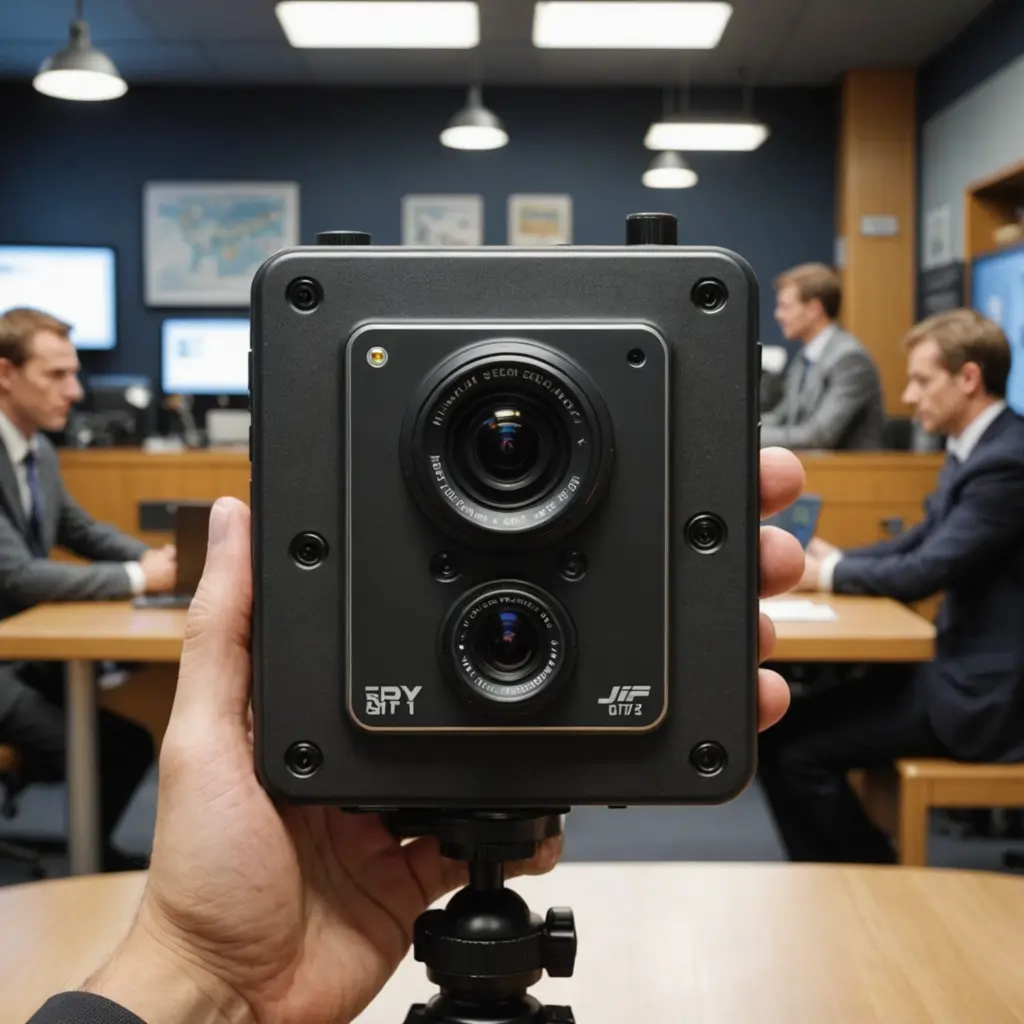

GoPro cameras are small, durable, and flexible enough for many types of documentation. Concealing one can be useful for a film project, wildlife observation, property documentation, or another clearly defined purpose—but the camera should never be used to invade someone’s privacy. Before planning a discreet setup, confirm that recording is lawful, obtain consent where required, and avoid private spaces such as bedrooms, bathrooms, and changing areas.
Start with the purpose and setting
The best enclosure depends on what you are recording and how long the camera must remain in place. A temporary indoor setup may fit inside a production prop or behind an existing set element. Outdoor projects may call for a weather-resistant housing and a mount that can withstand wind, moisture, and vibration. Wildlife observation requires particular care: position the camera without disturbing animals, damaging habitat, or recording people who may pass through the area.
For home or workplace security, transparency is often the safest approach. Use visible cameras or clearly posted notices where appropriate, and check the rules that apply to tenants, visitors, employees, and shared spaces.
Designing a safe, natural-looking enclosure
A concealed camera should blend into an authorized environment without creating a hazard or obstructing normal use. In a controlled setting, suitable options may include a purpose-built prop, a display object, or a camera housing integrated into a temporary installation. The opening in front of the lens must be large and clear enough to prevent vignetting, glare, or distortion.
- Match the enclosure’s color and finish to the surroundings.
- Keep the lens free from dust, fingerprints, reflective surfaces, and loose material.
- Hold the camera firmly so movement does not create shaky footage.
- Leave enough ventilation to reduce heat buildup during extended recording.
- Keep cables and power supplies away from walkways, heat sources, and moving parts.
Do not modify electrical equipment, chargers, smoke detectors, or other safety devices to hide a camera. A disguise should never make an object appear functional when it is not, interfere with emergency equipment, or create confusion about a device’s purpose.
Improve image and audio quality
Test the complete setup before leaving the camera unattended. Check the framing, focus, exposure, stabilization, and whether the lens opening causes dark corners. Avoid aiming directly at bright windows or the sun, since strong backlighting can obscure important details. For low-light scenes, improve the surrounding lighting where possible rather than adding equipment that could attract attention or affect people without their knowledge.
Audio needs special consideration. Enclosures can muffle voices, add vibration, or create unwanted rubbing sounds. More importantly, audio recording may be regulated separately from video. If consent or notice is required, disable audio unless everyone being recorded has agreed to it.
Plan power and storage
Long recordings can use substantial battery power and storage. Estimate the recording duration, test the expected battery life, and use an approved external power source when appropriate. Secure power banks and cables so they cannot be easily pulled, overheated, or exposed to moisture.
Use a memory card that is compatible with the camera and verify that it has enough free space. Make a short test recording, play it back, and confirm that the files are being saved correctly. For important documentation, keep an additional copy in a secure location and restrict access to people who have a legitimate reason to view it.
Privacy, consent, and responsible use
Laws governing hidden cameras, workplace monitoring, property recording, and audio capture vary by location. Recording in a public area may still raise privacy concerns, particularly when the camera captures conversations, children, or sensitive activities. If you are monitoring a rental property, shared home, business, or care setting, get appropriate permission and provide notice whenever the law or circumstances require it.
Define the purpose of the recording before switching on the camera. Record only what is necessary, avoid collecting unrelated footage, and set a retention period. Delete material that is no longer needed, especially footage containing people who were not part of the original purpose. Never use a concealed GoPro for voyeurism, harassment, stalking, or secret recording of intimate conversations.
A practical pre-recording checklist
- Confirm the legal basis, consent, and required notices.
- Choose a stable location that does not create a safety risk.
- Check the lens opening, framing, lighting, and sound.
- Test battery life, storage capacity, and file playback.
- Secure the camera and any cables against movement or weather.
- Document the recording purpose and decide when the footage will be deleted.
Responsible concealment is less about making a camera impossible to notice and more about creating a safe, reliable setup for an authorized purpose. Careful testing, sensible power planning, and respect for privacy will produce better results while reducing legal and ethical risks.