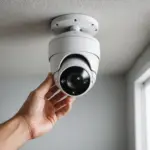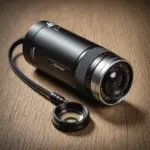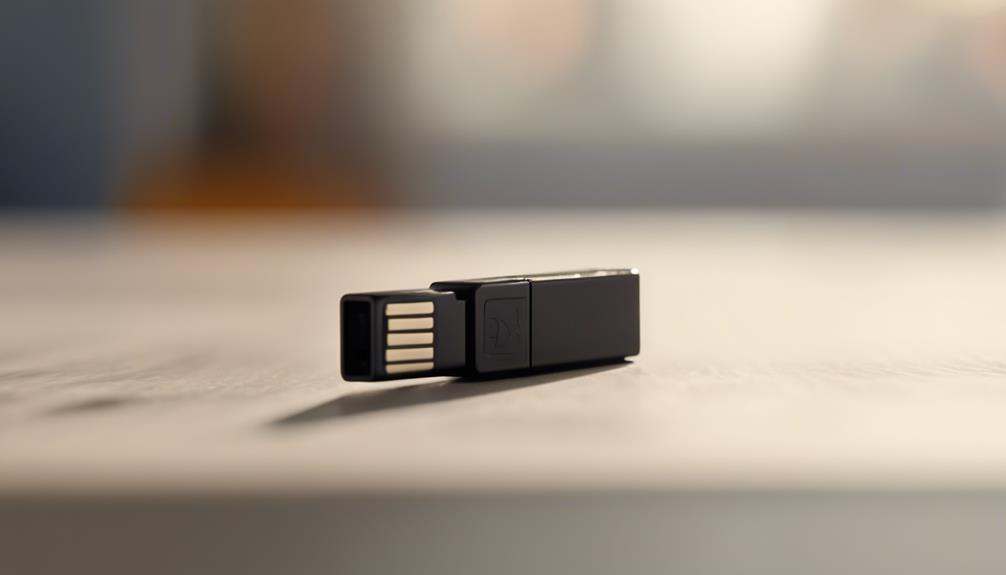

Anti-surveillance devices can help individuals and organisations assess whether a room, vehicle, rental property, or workplace contains equipment used for unwanted monitoring. These tools are most useful when combined with a careful physical inspection, sensible information-security practices, and a clear understanding of their limitations.
Covert monitoring may involve wireless cameras, audio transmitters, wired devices, or network-connected equipment. No single detector can identify every possible threat, so the right approach depends on the environment, the sensitivity of the information involved, and the type of device you are concerned about.
Why use anti-surveillance equipment?
Privacy concerns can arise in homes, meeting rooms, hotel rooms, short-term rentals, and areas where confidential conversations take place. A physical or electronic sweep may help identify suspicious equipment before private information is exposed.
Counter-surveillance checks are not limited to businesses. Tenants may want to inspect an unfamiliar property, while journalists, legal professionals, executives, and people working in sensitive environments may need a more structured way to review their surroundings. The purpose should be lawful privacy protection—not interference with legitimate monitoring or communications.
Common types of surveillance detectors
Radio-frequency detectors
RF detectors scan for radio transmissions from devices such as wireless microphones, cameras, and other transmitters. They are often portable and relatively simple to operate. However, they can also react to ordinary sources, including mobile phones, Wi-Fi equipment, Bluetooth devices, routers, and nearby broadcast signals. A detection alert is therefore an indication that requires investigation, not proof of a hidden bug.
Camera lens and infrared detection tools
Some handheld tools use visible or infrared light to help reveal reflective camera lenses. A careful visual inspection with a suitable light source can sometimes identify a lens that is concealed in an unusual object or fixture. These methods are less useful against cameras that are well hidden, inactive, poorly positioned, or designed without an obvious reflective surface.
Network and signal analysis
Network-connected cameras and other devices may appear as unfamiliar wireless access points or connected clients. Reviewing the devices connected to a network can reveal equipment that deserves further attention. This approach does not identify every form of surveillance: a device may use a separate connection, store recordings locally, or transmit only intermittently.
Non-linear junction detection
Professional counter-surveillance services may use non-linear junction detectors to locate electronic components, including some devices that are not actively transmitting. This equipment requires specialist knowledge and can produce misleading results when used in environments containing many electronic objects or building materials with similar characteristics.
How to conduct a basic privacy inspection
A methodical process is more valuable than simply switching on a detector and walking around. Start by identifying the areas where private conversations, financial information, or sensitive work takes place. Then examine objects and locations where a device could be concealed.
- Inspect smoke detectors, chargers, clocks, light fittings, vents, power outlets, furniture, and decorative objects for unexplained changes.
- Look for unfamiliar equipment, loose panels, new cabling, small apertures, or objects that do not belong in the room.
- Reduce avoidable sources of RF interference where practical before using an RF detector.
- Move slowly and record the location and conditions of any detector alerts.
- Review connected devices on networks you control, noting anything unfamiliar before disconnecting it.
- Photograph and document suspicious items rather than immediately dismantling them.
Environmental changes can provide useful context. A recently replaced fixture, an unexplained item of furniture, or a new cable may justify closer examination, but none of these observations alone establishes that surveillance is taking place.
When professional help is appropriate
Consumer surveillance detectors may be suitable for occasional, low-risk checks. Professional assistance is more appropriate when a matter involves confidential business information, legal disputes, personal safety, suspected targeted monitoring, or a large and technically complex site.
Experienced specialists can combine physical inspection with RF scanning, network review, equipment testing, and written documentation. They can also help distinguish suspicious findings from normal building systems and electronic interference. Before engaging a provider, ask what methods are included, how findings will be documented, and how personal information collected during the inspection will be handled.
Important limitations and legal considerations
Detection equipment is not infallible. Wired devices, inactive recorders, shielded equipment, and devices that store data locally may escape a basic electronic sweep. Conversely, ordinary electronics can create false positives. For this reason, a detector reading should be treated as a lead for further examination rather than conclusive evidence.
Laws governing recording, communications interception, access to computer networks, and interference with radio signals vary by location. Do not enter systems you do not own or control, remove suspected equipment without considering evidence requirements, or use signal-blocking equipment without obtaining appropriate legal advice. If you believe a device presents a safety or criminal concern, preserve the scene and contact the relevant authorities or a qualified professional.
Choosing the right anti-surveillance device
Choose equipment based on the suspected threat, the environment, and your ability to interpret its results. A basic RF or lens detector may support a routine personal inspection, while higher-risk situations call for a documented professional sweep. In every case, privacy is strengthened by combining detection tools with secure network settings, careful access control, regular physical checks, and disciplined handling of sensitive conversations and files.