
Hidden cameras disguised as everyday fixtures, such as a bathroom exhaust fan hidden camera, are a growing concern for privacy and safety. These devices can take many forms — from a ceiling air vent spy camera to a ceiling fan camera — and their presence raises legal and ethical questions. This article explains what these types of spy cameras are, why they are controversial, legitimate alternatives for monitoring, and how to respond if you suspect one is present in a private space. Understanding fan concealment types helps identify which covert devices might be hidden within bathroom exhaust fans.
What is a bathroom exhaust fan hidden camera and how it is marketed
A bathroom exhaust fan hidden camera refers to a miniature surveillance device integrated into or disguised as a ventilation fan cover. Vendors and online marketplaces sometimes list related products under names like bathroom vent camera, ceiling vent hidden camera, ac vent hidden camera, or vent spy camera. Similar concealable formats include ceiling fan hidden cameras and ceiling fan spy camera units, and even devices crafted to resemble components of a ceiling light fixture, sometimes described as a ceiling fan hidden camera in ceiling light fixture.
Manufacturers often emphasize features such as Wi‑Fi connectivity, motion activation, and compact size. While product listings focus on technical specs, it is important to consider the context and legal framework before purchasing or deploying any surveillance device, especially in intimate areas like bathrooms or changing rooms.
Legal and ethical considerations
Installing or operating covert cameras in private areas where people have a reasonable expectation of privacy is illegal in many jurisdictions. Bathrooms, locker rooms, and other intimate spaces are typically protected by stringent privacy laws. Deliberately placing recording equipment in these areas — whether disguised as a fan, vent, or ceiling light — can result in criminal charges and civil liability.
Beyond legal risk, there are strong ethical reasons to avoid secret surveillance in private spaces. Consent, transparency, and proportionality should guide any decision to use monitoring technology. For employers and property owners, visible signage and explicit consent are commonly required when surveillance is used in public or semi‑public areas. If you are unsure about the legality of a particular setup, consult a lawyer or local law enforcement for guidance rather than assuming it is permissible.
Legitimate use cases and safer alternatives
There are legitimate situations where monitoring improves safety without invading privacy. For example, property owners may want to deter break‑ins or document vandalism in shared spaces, and caregivers might need to monitor a vulnerable person in non‑private areas. In those cases, consider alternatives that respect privacy while achieving security objectives.
Alternatives include installing visible cameras in common areas, using door‑mounted occupancy sensors, and employing alarm systems or motion lights near entrances. For climate control or HVAC monitoring, vendors offer sensors that do not capture video. In business settings where restroom safety is a concern, focus on measures such as employee training, improved lighting, and emergency access protocols rather than covert video surveillance.
Recognizing potential hidden camera formats
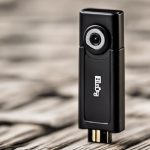
Hidden cameras come in many shapes beyond bathroom exhaust fan designs. Examples people report include ac vent spy camera modules, fan hidden camera units placed inside vents, discreet ceiling fan camera assemblies, and even tiny spy camera lenses embedded in fixtures. The phrase hidden ceiling cameras and spy camera in air vent captures the variety of formats that can be used to conceal recording equipment. If you suspect a bathroom exhaust fan hidden camera, consider a discreet clip-on device for portable surveillance.
Being aware of these possibilities helps you evaluate your environment more carefully. However, investigating suspected devices should be handled cautiously and respectfully. If you discover a suspicious object, avoid tampering with it and consider documenting it with a phone camera, then reporting it to the property manager or authorities. If you are a renter or guest and feel your privacy has been violated, preserve evidence and seek legal advice promptly.
How to respond if you suspect a hidden camera
If you suspect a hidden surveillance device in a bathroom or other private area, prioritizing safety and preserving evidence are the first steps. Leave the area if you feel threatened, and do not touch or remove the device. Photograph the object from a distance and note the time and circumstances. Contact the property owner, manager, or local law enforcement to report the concern. In many places, officials can take appropriate steps to examine and remove any illegal recording devices.
For business owners who receive complaints, act promptly and transparently. Investigate with neutral parties present, document findings, and remove any devices that could infringe on privacy. Taking a proactive stance — such as installing only visible cameras in allowed locations and posting clear notices about monitoring — helps prevent misunderstandings and reduces legal exposure.
Choosing safe, legal surveillance solutions
When surveillance is necessary and lawful, choose solutions that balance security with privacy. Select reputable manufacturers and avoid equipment explicitly marketed for covert surveillance in private spaces. Consider visible camera systems and professional installation to ensure proper coverage and compliance with local regulations. For technical or safety needs related to ventilation or ceiling fixtures, work with licensed contractors rather than retrofitting a camera into an exhaust fan or ceiling fixture yourself.
Ultimately, responsible use of monitoring technology depends on informed decision making. Whether you are considering a ceiling air vent spy camera for a public area or simply want to protect a property from theft, prioritize consent, legality, and transparency. This approach protects individuals and reduces the risk that surveillance intended for safety becomes a cause of harm.
In conclusion, while devices like a bathroom exhaust fan hidden camera or an ac vent hidden camera are technically available, their use in private spaces raises serious legal and ethical issues. Focus on lawful, transparent security measures, use alternatives that respect privacy, and seek professional or legal guidance when in doubt. If you suspect illegal surveillance, document your concerns and report them to the appropriate authorities rather than attempting to address the situation alone.