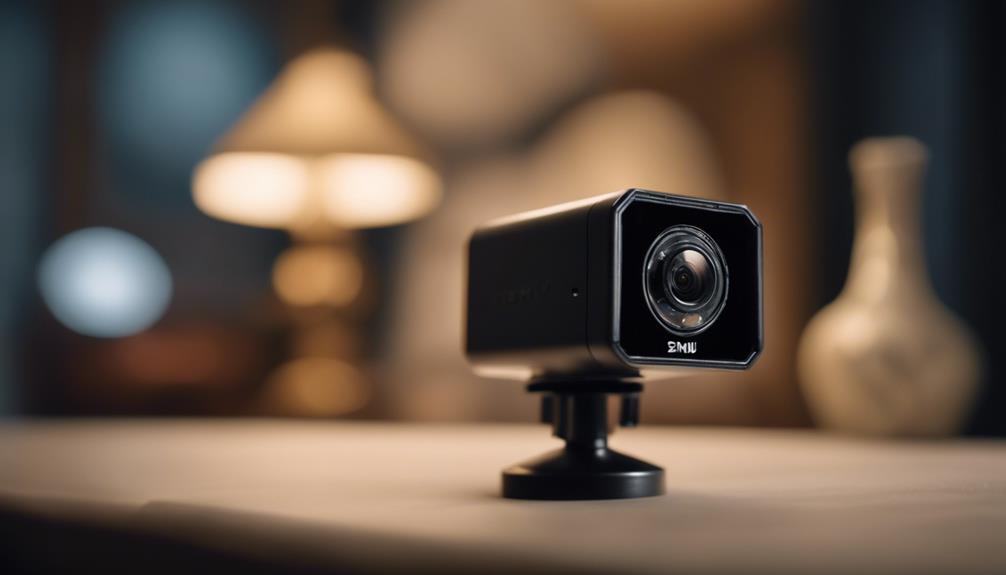

Motion Detector Camera App technology has changed how people monitor spaces, respond to events, and integrate surveillance with everyday devices. For anyone exploring hidden camera applications, a well-designed motion detector camera app delivers smart detection, efficient recording, and remote alerts without the expense of professional systems. This article explains how these apps work, what features matter, practical use cases, and important legal and ethical guidelines to consider before deploying a motion sensor camera app in real environments. Consider motion-triggered recording features when adapting a Motion Detector Camera App for discreet surveillance applications.
How a motion detector camera app works
At its core, a motion detector camera app uses the camera feed and on-device processing to identify movement within a defined area. The app analyzes changes between successive frames or applies machine learning models to detect humans, pets, or objects. When motion is detected, the app can trigger a range of actions: start recording video, capture still images, send push notifications, or upload footage to cloud storage. Many modern apps combine motion-based triggers with sensitivity settings to reduce false positives from lighting changes or minor background motion.
Key features to look for in motion sensor camera apps
Choosing the right motion sensor camera app means balancing detection accuracy, privacy controls, and ease of use. Important features include adjustable sensitivity and detection zones so you can focus on doorways or restricted areas, scheduled arming to prevent constant notifications, and configurable alert types for immediate awareness. Local storage options, encrypted cloud backups, and two-factor authentication protect recorded footage and account access. Integration with existing smart home systems and the ability to run on older phones or tablets can also make a big difference for hidden camera applications where budget and hardware reuse matter.
Practical use cases for hidden camera applications
Hidden camera applications powered by motion detector camera apps have diverse real-world uses beyond conventional security. In home security, a discreet phone running a motion sensor camera app can monitor entry points while sending alerts to homeowners. For small businesses, such apps can provide evidence of after-hours activity or help track customer flow in low-cost deployments. Caregivers and parents sometimes use these tools to keep an unobtrusive eye on vulnerable family members or children in shared spaces where a visible camera might cause distress. In research and wildlife observation, motion-triggered recording captures events of interest while conserving battery and storage by recording only when activity occurs.
Setting up and optimizing a motion detector camera app
Proper setup maximizes the effectiveness of a motion detector camera app. Start by positioning the device to cover the most relevant area with a clear line of sight and minimal direct light sources that can cause glare. Configure detection zones to exclude moving foliage, reflective surfaces, or areas with frequent nonessential motion. Adjust sensitivity incrementally and test with known movement patterns to balance missed events against false alarms. For hidden camera applications where discretion matters, ensure the device remains physically inconspicuous while maintaining ventilation and stable mounting to avoid unintended movement triggering recordings. Explore motion detection features in apps to integrate with wireless outdoor cameras for improved perimeter monitoring.
Privacy, legal, and ethical considerations
Using a motion detector camera app within hidden camera applications requires careful attention to laws and ethics. Different jurisdictions have strict rules about recording people without consent, especially in private spaces such as bathrooms, locker rooms, or bedrooms. Transparent use, informed consent where appropriate, and a reasonable expectation of privacy should guide deployment. Businesses must also be mindful of employee and customer rights. From an ethical standpoint, balance the need for security with respect for personal privacy, and avoid covert monitoring that could harm trust or violate regulations. When in doubt, seek legal advice and use visible signage or explicit consent mechanisms to reduce risk.
Troubleshooting common issues and maintenance
Users often encounter sensor sensitivity problems, storage limitations, or battery drain when running motion detector camera apps on mobile devices. Reduce false positives by refining detection zones and lowering sensitivity for nonessential areas. To address storage constraints, enable selective cloud uploads for events flagged as high priority or set retention policies that automatically delete older footage. For battery-powered setups, consider using power-saving modes, enabling night scheduling, or connecting to a continuous power source. Regularly update the app to benefit from improved algorithms and security patches that protect both footage and personal data.
Motion detector camera apps offer a flexible, cost-effective entry point into hidden camera applications when used responsibly. They provide smart alerts, on-demand recording, and the ability to repurpose existing devices for surveillance tasks. However, effective deployment depends on thoughtful configuration, mindful maintenance, and strict adherence to privacy and legal standards. Whether you are securing a small office, monitoring a remote property, or conducting discreet observations for legitimate research, selecting the right motion sensor camera app and following best practices will help you get reliable results while minimizing risks.