
Site surveillance cameras help protect construction projects, building sites, storage areas, and other properties where valuable equipment or materials may be left unattended. A well-planned camera system can deter theft and vandalism, document incidents, support safety oversight, and provide a visual record of project progress.
The most suitable setup depends on the site’s size, duration, power supply, connectivity, security risks, and legal requirements. Some projects benefit from permanent wired cameras, while others need flexible wireless or cellular equipment that can move as the work develops.
Why construction sites use surveillance cameras
Construction and building sites can be difficult to monitor continuously, particularly outside working hours. Cameras provide visibility when staff are not present and can help managers respond more quickly to suspicious activity or safety concerns.
Common benefits include:
- Deterring trespassing, theft, and vandalism
- Recording activity around entrances, storage areas, and delivery points
- Monitoring progress and documenting project milestones
- Supporting remote inspections and communication with contractors or clients
- Providing evidence when incidents, disputes, or damage occur
- Helping supervisors observe higher-risk areas without being physically present
Camera footage is most useful when it forms part of a broader security plan that may also include lighting, access control, fencing, alarms, and clear site procedures.
Wired, wireless, and hybrid camera systems
Wired cameras
Wired site CCTV systems are often a practical choice for long-term projects with dependable electrical power and suitable cable routes. They can provide consistent connectivity and sustained video quality, with less dependence on wireless signal strength or battery capacity.
The main drawbacks are the installation time and the need to protect cables from weather, construction activity, and tampering. Cable planning should be completed alongside the site survey so that future building work does not create blind spots or damage the system.
Wireless and cellular cameras
Wireless jobsite cameras are useful for temporary deployments or locations where running data cables is impractical. They can be repositioned as the site changes and may be suitable for remote projects when paired with cellular connectivity. Battery-powered equipment may require regular checks, while solar power can help support operation in locations without convenient mains electricity.
Wireless systems depend on reliable network coverage. Before installation, confirm the available Wi-Fi or cellular signal, expected data requirements, and arrangements for charging or replacing batteries. A high-definition camera can provide more useful detail, but higher image quality may also increase storage and bandwidth needs.
A hybrid approach
Many sites can benefit from combining both types. Permanent wired cameras may cover principal entrances, offices, or equipment yards, while wireless units provide temporary coverage around changing work zones, material deliveries, or remote parts of the property.
Practical camera placements and uses
Begin by identifying areas where an incident would have the greatest impact. Typical locations include vehicle entrances, pedestrian access points, material storage areas, fuel or equipment zones, perimeter lines, and places where deliveries are received.
Cameras may also be used to:
- Create time-lapse records of construction progress
- Observe activity near scaffolding, crane zones, or other higher-risk areas
- Verify delivery times and the condition of materials
- Monitor remote or temporary work areas after hours
- Support virtual site tours and remote progress reviews
Position cameras to capture faces, vehicles, and relevant activity without unnecessarily recording areas where people reasonably expect privacy. Avoid relying on a single wide-angle view for critical locations; overlapping coverage may be useful where a blocked or damaged camera would otherwise leave a significant gap.
Privacy and the use of hidden cameras
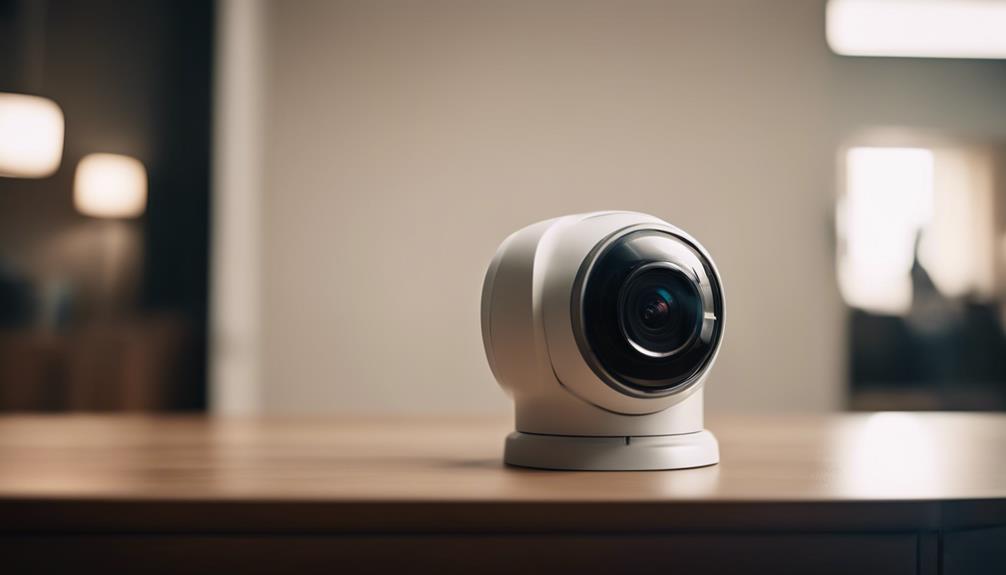
Discreet or hidden camera applications require particular caution. A covert device might be considered when there is a specific, documented concern such as repeated theft or unauthorized access, but it should not be used simply because it is convenient.
Before installing a hidden camera, consider whether visible cameras, signage, improved lighting, access controls, or other less intrusive measures could address the problem. Laws governing recording, consent, audio, employee monitoring, and retention vary by jurisdiction. Areas such as break rooms, changing spaces, and portable toilets should not be treated as ordinary surveillance locations.
Obtain appropriate legal advice before using covert monitoring. Establish a defined purpose, limit the coverage and duration, restrict access to the footage, and communicate applicable policies to workers and visitors where required. Privacy compliance should be considered for every camera installation, not only hidden devices.
Storage, alerts, and system management
Modern site security camera systems may offer motion detection, night vision, remote livestreaming, analytics, and cloud storage. These features can reduce the need for continuous manual monitoring and help preserve footage if a camera is damaged or stolen.
Configure alerts carefully so that managers are not overwhelmed by false notifications caused by animals, equipment, weather, or routine site activity. If cameras are linked with lighting, alarms, or access-control systems, test the combined response before relying on it operationally.
Document who may view recordings, how footage is shared, how long it is retained, and how access requests are handled. Strong passwords, updated firmware, and controlled user permissions help protect remote camera feeds from unauthorized access.
Installation and maintenance checklist
- Survey the site for risks, blind spots, mounting points, power, and connectivity.
- Mount cameras securely and protect equipment from weather and tampering.
- Check that lighting and camera angles provide usable images at night.
- Test recording, remote access, alerts, and backup or cloud storage.
- Inspect lenses, mounts, cables, batteries, and solar equipment regularly.
- Review coverage whenever the layout or construction phase changes.
- Keep an up-to-date camera map and written retention and access policies.
With thoughtful planning, site surveillance cameras can improve security, support safer operations, and create a reliable record of activity. The strongest solution balances image quality and coverage with practical installation needs, responsible data handling, and compliance with local privacy requirements.