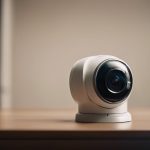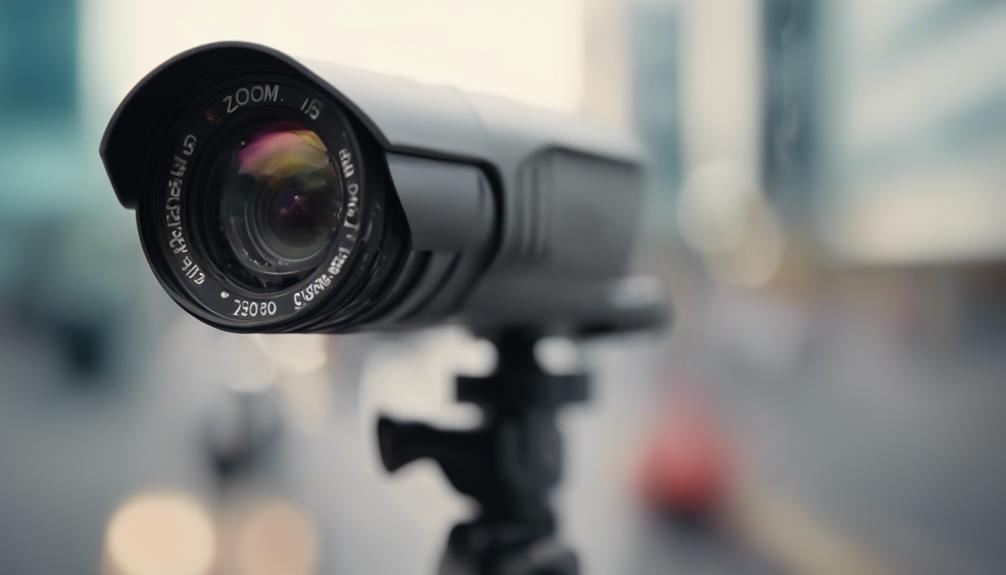

An owl surveillance camera combines a decorative outdoor object with the practical functions of a security camera. Because owl figures are common in gardens, on fences, and around porches, this type of camera may attract less attention than a conventional security device. Depending on the product, the owl housing may contain a fully functioning camera, or it may be a non-recording decoy designed only as a visual deterrent. Explore how owl concealment design informs diverse hidden surveillance applications for discreet monitoring and safety.
These devices can be useful for monitoring entrances, driveways, gardens, patios, and other exterior areas. They are not a substitute for a complete security system, but they can form part of a broader setup that includes lighting, locks, alarms, and clearly positioned cameras.
What is an owl surveillance camera?
An owl surveillance camera is a camera concealed within, attached to, or styled as an owl decoration. Some models are designed to look realistic, while others use the owl shape more loosely as a weather-resistant camera enclosure. The camera may connect to a home network, store recordings locally, or use a combination of local and remote storage.
It is important to distinguish a real camera from a fake owl. A decoy has no recording or alerting function. It may discourage casual trespassing, but it cannot provide evidence, send notifications, or show what happened after an incident.
Features to look for
Owl-shaped cameras vary considerably, so compare their specifications with the location and purpose of your installation. Useful features can include:
- Motion detection: Alerts or recording can begin when movement is detected in the monitored area.
- Night vision: Infrared capability can help capture activity in low-light conditions.
- Remote viewing: Wi-Fi models may allow you to check live video or receive alerts through a mobile app.
- Two-way audio: Some cameras include a microphone and speaker for communication through the device.
- Recording options: Check whether footage is stored on a memory card, in the cloud, or only while the camera is connected to an app.
- Weather resistance: An outdoor model should be designed to withstand rain, dust, temperature changes, and prolonged exposure to the elements.
- Power supply: Mains-powered, battery-powered, and solar-assisted designs each involve different installation and maintenance requirements.
Do not choose a product solely because it resembles an owl. Image quality, dependable connectivity, secure account access, and suitable outdoor protection are more important than appearance.
Where an owl camera can be useful
A decorative camera can monitor areas where an owl ornament would look natural, including a front porch, garden path, driveway, shed, fence line, or backyard. It may also be suitable for watching a gate, outdoor storage area, or a bird feeder. In these situations, the design can help the camera blend into its surroundings without making the property look dominated by security equipment.
Businesses with outdoor seating or small exterior areas may also consider this style of camera, provided the viewing angle and privacy practices are appropriate. For nature observation, a camera placed near a feeder or garden can record activity without requiring a person to remain nearby. Use a model intended for outdoor conditions and avoid disturbing wildlife with unnecessary lighting or sound. An owl surveillance camera adds wildlife-inspired monitoring to broader building security plans, especially around exterior entry points.
Installation and positioning advice
Position the camera to cover a specific area rather than pointing it broadly at everything nearby. Entry doors, gates, paths, and vehicle access points are often more useful targets than an indistinct section of a yard. Mounting the device on an eave, porch beam, or secure post can provide a useful viewing angle while placing it beyond easy reach.
- Check the camera’s field of view before permanently mounting it.
- Avoid aiming directly into strong sunlight, which can reduce image quality.
- Keep the lens clear of leaves, dirt, cobwebs, and water spots.
- Protect power cables from tampering and weather exposure.
- Test motion alerts at different times of day and from different directions.
- Inspect batteries, mounting hardware, seals, and connections periodically.
- Install firmware and app updates when provided, and use a strong, unique account password.
A concealed camera should not be placed so high or so discreetly that you cannot inspect, maintain, or remove it safely. The aim is reliable monitoring, not an installation that becomes impossible to manage.
Privacy and responsible use
Before installing any hidden or disguised camera, consider the privacy expectations of everyone who may enter the area. Rules differ by location, and recording requirements can depend on factors such as audio capture, ownership of the property, and whether the camera views a public or private space. Check applicable local requirements rather than assuming that an outdoor camera is unrestricted.
Do not aim the device into bedrooms, bathrooms, changing areas, or other places where people reasonably expect privacy. Avoid unnecessarily recording neighboring homes, gardens, windows, or shared spaces. Household members, employees, tenants, and guests may need to be informed or provide consent, depending on the circumstances and local rules. In a rental or holiday property, make monitoring practices clear before a guest arrives and never rely on concealment to avoid disclosure obligations.
Real camera or decoy owl?
A fake owl is inexpensive, simple to place, and may deter some opportunistic activity. Its main limitation is that it produces no footage or notification, and a determined person may recognize that it is only a decoration. A functioning owl camera costs more and requires power, network access, maintenance, and secure handling of recordings, but it can support alerts and provide useful evidence.
Choose a decoy when your priority is a basic visual deterrent. Choose a real camera when you need verification, remote awareness, or recorded events. Whichever option you select, combine it with sensible lighting, physical security, and privacy-conscious placement for a more dependable approach to protecting an outdoor space.