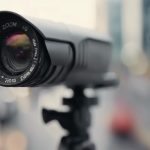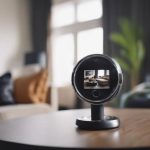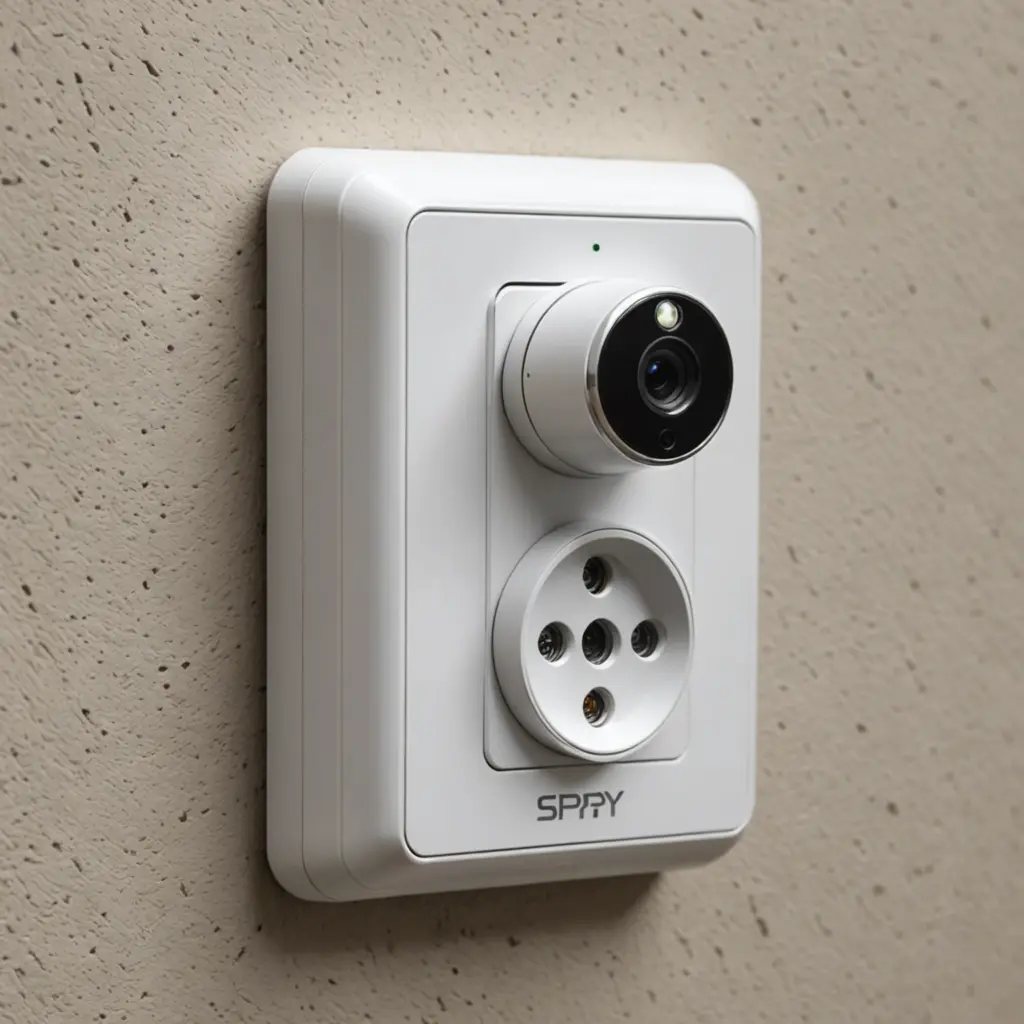

Wired security cameras remain a practical choice when dependable power, stable video transmission, and continuous recording matter more than a quick, cable-free installation. They are commonly used in homes, retail spaces, offices, warehouses, and other locations where cameras need to operate for long periods with minimal interruption.
Unlike wireless cameras that depend on Wi-Fi for video transmission, wired systems send footage through physical cabling. This can reduce interference and connection issues, especially in larger properties, high-traffic areas, or buildings with difficult wireless coverage. A wired installation also provides a clear path to a dedicated recorder, such as a DVR or NVR.
Why choose a wired security camera system?
The main benefit of wired surveillance is consistency. Cameras receive power through a fixed connection, and video travels over coaxial or Ethernet cable rather than relying entirely on a wireless network. This makes wired systems well suited to continuous recording and locations where missed footage would be a serious concern.
- Stable video transmission: A physical connection helps limit buffering, signal dropouts, and wireless interference.
- Continuous power: Cameras do not need regular battery changes or recharging.
- Centralized recording: A DVR or NVR can store footage from multiple cameras in one location.
- Scalability: Additional cameras can often be added when the recorder and cabling support expansion.
- Flexible monitoring: Many systems support a connected display as well as remote viewing from a phone or computer.
The trade-off is installation. Running cable through walls, ceilings, conduit, or outdoor spaces requires more planning than placing a plug-in or wireless camera. For a permanent installation, however, the additional work can provide a more dependable result.
How wired camera systems are configured
A typical setup includes cameras, cabling, a recorder, a power source, and—when required—a monitor. The exact components depend on whether the system uses analog cameras or IP cameras.
Analog cameras with a DVR
Traditional CCTV cameras commonly connect to a digital video recorder through coaxial cable. The DVR stores the footage and may provide live viewing through a monitor or network connection. This arrangement can be suitable when replacing or extending an existing coaxial CCTV installation.
IP cameras with an NVR
Network cameras typically use Ethernet cable to send video to a network video recorder. Power over Ethernet, or PoE, can allow a compatible Ethernet cable to carry both power and data, reducing the number of cables needed at each camera location. Confirm compatibility among the cameras, network equipment, and NVR before purchasing.
Four-camera systems
A four-camera security system is a common starting point for a small property. Possible coverage areas include the front entrance, rear entrance or yard, driveway or garage, and an interior hallway or shared space. Camera placement should be based on actual risks and sightlines rather than simply distributing cameras evenly.
Planning indoor and outdoor camera placement
Begin by identifying entry points, valuable equipment, delivery areas, and places where an incident would be difficult to investigate without video. Avoid aiming cameras directly at bright lights or windows, since glare can reduce image quality. Mount cameras high enough to discourage tampering while keeping faces and activity within a useful viewing angle.
Outdoor cameras should be designed for outdoor conditions and installed with suitable protection against rain, temperature changes, and physical damage. Long cable runs may require conduit, careful sealing, and protection against electrical surges. Night vision is also important when an area must be monitored after dark.
Visible cameras may help communicate that an area is monitored, while compact or discreet equipment may be appropriate where appearance is a concern. Any concealed-camera use must have a legitimate purpose and comply with privacy, consent, employment, tenancy, and audio-recording laws. Audio can be subject to stricter rules than video, so disable sound recording unless its use is clearly lawful and necessary.
Storage, remote access, and security
Decide how long recordings need to be retained before selecting the recorder and storage capacity. Continuous recording generally uses more storage than motion-based recording. Motion detection can reduce the amount of saved footage, but it should be configured carefully so important activity is not missed.
Remote viewing can be useful when the recorder is installed in a secure location. Protect remote access with strong, unique credentials and keep network-connected equipment updated. Limit access to people who need it, and review account and sharing settings periodically.
Cost and installation considerations
The total cost depends on camera resolution, weather resistance, night vision, recording capacity, monitor requirements, cable length, and installation complexity. A basic four-camera arrangement will usually require less labor than a whole-property system involving conduit, difficult ceiling access, trenching, or integration with an existing alarm system.
Before buying, compare complete system costs rather than camera prices alone. Include the recorder, storage, power supplies, cabling, mounting hardware, display equipment, and professional installation if needed. A security camera shop or installer may also help identify compatibility issues between cameras and recording equipment.
Maintaining a wired surveillance system
- Clean camera lenses and check image quality regularly.
- Inspect exposed cables, connectors, conduit, and mounting hardware.
- Apply firmware updates to cameras, recorders, and network equipment.
- Verify that recording schedules, motion detection, and time settings are correct.
- Test playback and remote access before an incident occurs.
- Review privacy permissions and remove unnecessary user accounts.
For homes and businesses that prioritize dependable power, stable connections, and ongoing recording, wired security cameras remain a strong solution. Careful planning of coverage, cabling, storage, access controls, and privacy practices will produce a system that is more useful and easier to maintain over time.