
Wireless CCTV systems have transformed how people monitor homes, businesses, and sensitive spaces where discreet observation is needed. As part of the hidden camera applications cluster, wireless CCTV offers flexibility, easier installation, and a range of connectivity options that make it suitable for everything from remote property surveillance to discreet monitoring for safety and loss prevention. This article explains how wireless CCTV works, highlights key features to look for, and explores practical use cases and installation tips so you can choose a solution that meets your security and privacy needs.
How wireless CCTV systems work
Wireless CCTV typically uses Wi-Fi, cellular, or proprietary radio frequencies to transmit video and audio from the camera to a recorder or cloud service. Cameras capture footage through onboard sensors and compress it before sending it across the network. Many modern wireless cameras include motion detection and event-triggered recording to conserve bandwidth and storage. Some systems can operate on battery power for completely cable-free installation, while others rely on nearby power sources and only use wireless transmission for data.
Key features to prioritize for reliable monitoring
When evaluating wireless CCTV options, prioritize image quality, night vision, motion detection accuracy, and data security. High-resolution sensors and variable bitrate streaming deliver clearer images without overwhelming network capacity. Infrared or low-light sensors ensure usable footage after dark, and wide dynamic range helps when scenes contain both bright and shadowed areas. Data encryption and secure cloud storage are essential to protect recorded footage from unauthorized access.
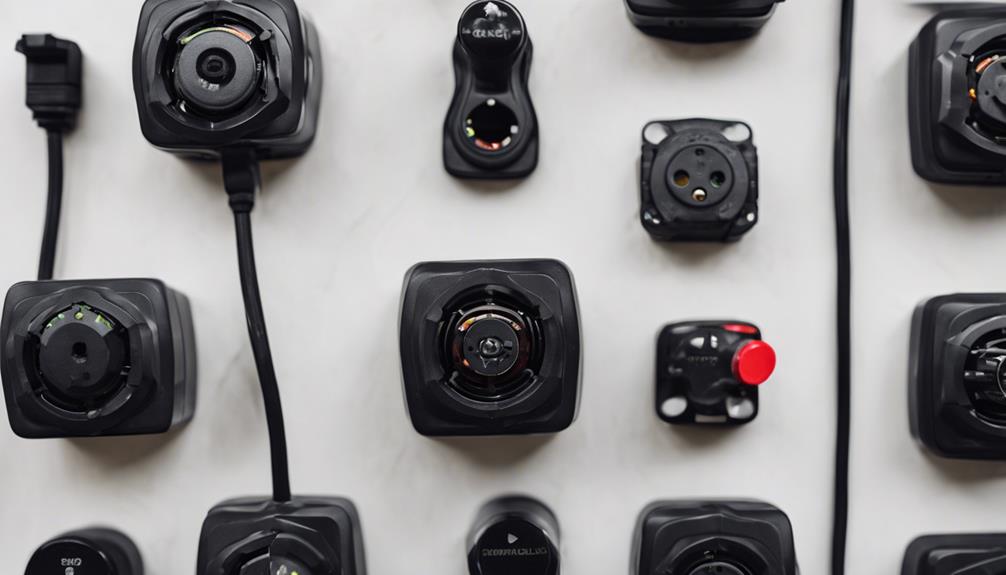
Another important consideration is the camera’s ability to work with the best outdoor security sensors. Cameras that integrate with passive infrared sensors, magnetic door contacts, or water-resistant external sensors provide more comprehensive detection and fewer false alarms. Dual-technology sensors that combine PIR with microwave detection or vibration sensing can be particularly useful for outdoor installations where environmental noise or animals may otherwise trigger false events.
Practical use cases for hidden camera applications
Wireless CCTV is well suited to a wide range of hidden camera applications where flexibility and discreet deployment matter. In residential settings, small wireless cameras can provide nanny monitoring, elder care supervision, or package theft prevention without extensive cabling. For small businesses, hidden wireless CCTV helps identify shoplifting, employee safety issues, and unauthorized access in areas where conspicuous cameras might not be appropriate.
Property managers and landlords often use wireless CCTV to keep an eye on common areas, laundry rooms, and parking lots without extensive rewiring. Vacation rental hosts can also use discreet cameras to monitor entrances for security while maintaining guests’ privacy inside rented spaces. In agricultural or wildlife contexts, battery-powered wireless CCTV enables remote observation of animals and habitats without disturbing the environment.
Choosing the right wireless CCTV and sensors for your needs
Select a camera based on environment, power options, and required detection performance. For outdoor use, look for IP65 ratings or higher to ensure resistance to rain and dust. If you need full concealment or small form factors, consider cameras designed for covert monitoring but ensure you comply with local laws regarding consent and privacy. When integrating sensors, choose solutions that offer compatibility with your camera hub or cloud service so motion events and sensor alerts are synchronized.
Best outdoor security sensors for wireless CCTV deployments often include weatherproof PIR sensors, door and window magnetic contacts, and shock or vibration sensors for fence and gate protection. For areas prone to pets or moving foliage, opt for adjustable sensitivity or pet-immune sensors to reduce false positives. If cellular connectivity is required because Wi-Fi is unavailable, select cameras and sensors built for LTE networks with efficient power management and remote configuration tools.
Installation, maintenance, and privacy considerations
Proper placement and maintenance are crucial for effective wireless CCTV. Mount cameras with a clear view of the intended area and avoid pointing directly at bright light sources to reduce glare. Test Wi-Fi signal strength and consider mesh networking or a dedicated wireless bridge for locations far from the main router. For battery-powered units, choose models with long battery life and power-saving modes; schedule regular checks and timely battery replacements to prevent unexpected downtime.
Firmware updates and strong account passwords are critical to safeguard your system. Enable two-factor authentication where available and review access logs periodically. From a legal and ethical standpoint, ensure that any hidden camera applications respect privacy laws and reasonable expectations of privacy. Do not place cameras in locations where people have a legitimate expectation of privacy, such as bathrooms or private bedrooms in rental properties, and notify occupants or obtain consent when required by law.
Final thoughts on deploying wireless CCTV
Wireless CCTV provides powerful, flexible solutions for a wide array of hidden camera applications, from discreet in-home monitoring to outdoor property protection. By selecting cameras with the right mix of image quality, sensor integration, weather resistance, and security features, you can build a system that balances effective surveillance with respect for privacy. Thoughtful placement, routine maintenance, and attention to legal requirements will help ensure your wireless CCTV installation delivers reliable protection and peace of mind.