
A GoPro HERO is built for action, but its compact body, rugged construction, wide-angle lens, and strong video quality also make it useful for travel documentation, first-person recording, and temporary security-style applications. It is not a direct replacement for a dedicated surveillance camera, particularly when discreet placement, night vision, or continuous recording is the priority. However, for mobile recording in demanding environments, it offers a capable combination of image quality and durability. The GoPro Hero review highlights compact design and stabilization that inform covert recording features for discreet setups.
What makes a GoPro HERO useful beyond action sports?
The main advantage is versatility. A GoPro can be worn, mounted to a vehicle, attached to equipment, or positioned temporarily in a location where a larger camera would be inconvenient. Its wide field of view records more of the surrounding scene than a narrow-lens camera, which can be valuable when documenting movement or capturing a first-person perspective.
Rugged construction and weather resistance, depending on the model and setup, are also useful for outdoor observation, travel, wildlife recording, and other situations where a fragile camera may be unsuitable. A broad range of mounting accessories makes it relatively easy to position the camera securely without carrying a full-size recording system.
Design, sensor, and image processing
GoPro HERO cameras use compact CMOS sensors rather than the larger sensors found in many mirrorless or DSLR cameras. The smaller sensor helps keep the camera’s body portable, but it also affects performance in difficult lighting. In bright or evenly lit conditions, the camera can produce detailed, attractive footage. In dim environments, users may see more image noise and less dynamic range than they would from a larger-sensor camera.
GoPro’s image processing, wide-angle optics, and electronic stabilization help compensate for the compact design. Stabilization is particularly useful when the camera is body-worn, mounted to a moving vehicle, or used while walking. Depending on the model, features may include a touchscreen, wireless connectivity, voice control, and compatibility with mounting or power accessories.
Video quality and the practical value of 4K
4K recording is one of the most useful features associated with recent HERO cameras. Higher-resolution footage can preserve more detail and gives editors additional flexibility when cropping or selecting still frames. That can help when the camera is positioned at a distance or when a wide view needs to be reframed after recording.
Higher resolution and faster frame rates come with practical costs. They use more storage, require more processing, and generally consume battery power faster. For short recordings or situations where detail matters most, these modes can be worthwhile. For longer sessions, a lower resolution or frame rate may provide a better balance between image quality, recording time, and file size. Beyond action footage, home monitoring options offer dependable 1080p coverage for watching entrances, pets, or valuables.
Potential security-style and discreet recording uses
A GoPro can be effective in several temporary or mobile roles:
- Body-worn recording: useful for documenting a journey, activity, or first-person viewpoint.
- Vehicle mounting: suitable for capturing a forward-facing or wider contextual view.
- Outdoor observation: helpful where weather resistance and portability matter.
- Travel security: a temporary recording option when a dedicated camera system is not available.
- Event documentation: useful for recording movement and surroundings from a compact position.
Its wide lens can capture useful context, and newer models may provide strong ambient audio for a small action camera. Wireless controls can also allow recording to be started or stopped without physically handling the camera, although wireless operation may affect battery life and should not be treated as a substitute for a dedicated remote-surveillance system.
Important limitations
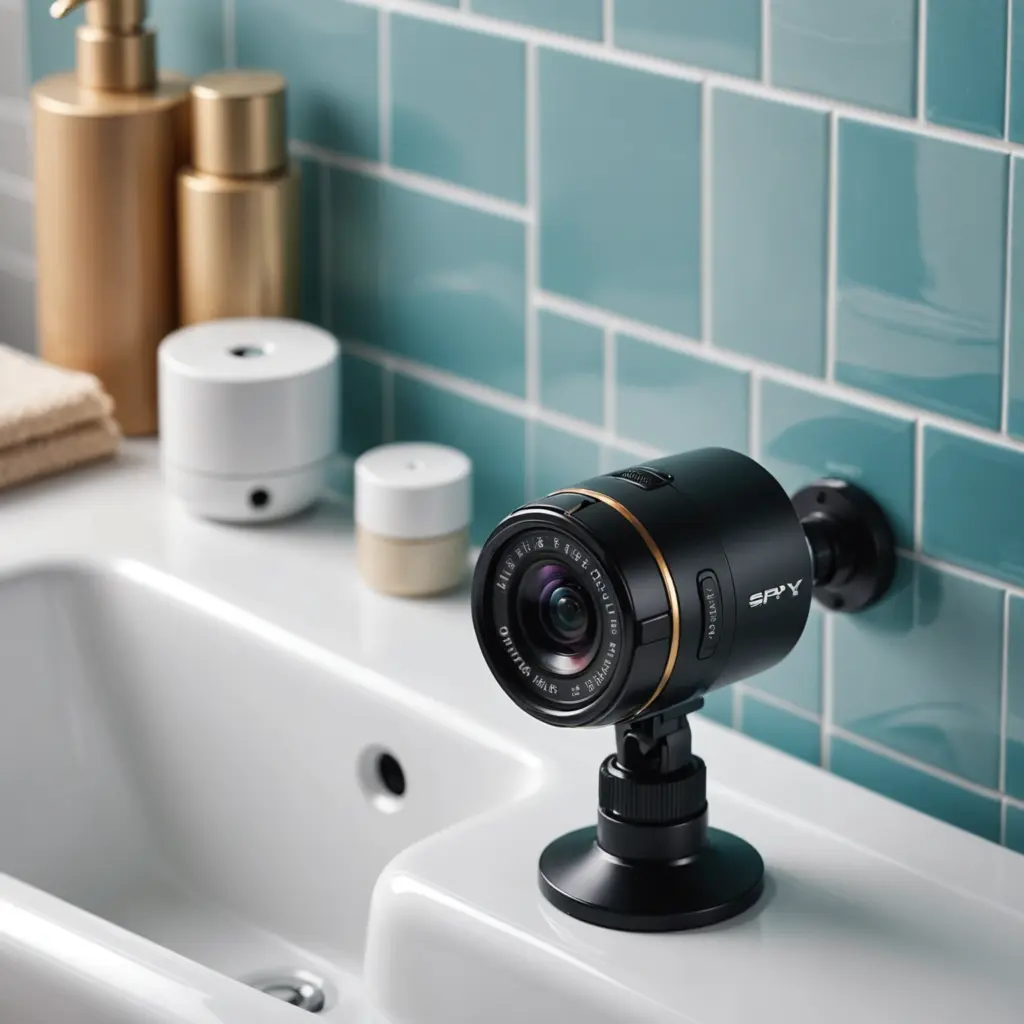
The camera’s strengths do not make it ideal for every monitoring task. A GoPro is generally more conspicuous than a purpose-built miniature camera, and its lens and body may be difficult to conceal without obstructing the view or reducing ventilation. It is also not designed primarily for indefinite, always-on surveillance.
Battery capacity is a major consideration during extended recording. Longer sessions may require an external power source, a suitable power accessory, or regular file offloading. A GoPro also lacks the specialized capabilities commonly associated with dedicated security equipment, such as true infrared night vision and purpose-built motion-triggered monitoring. Low-light results can be limited, especially when the scene contains little illumination.
Tips for getting better results
- Plan the power arrangement before starting a long recording session.
- Choose resolution and frame rate based on the required detail rather than always selecting the highest setting.
- Test the mounting position to confirm that the lens covers the important area.
- Use stabilization when the camera will move, but check how the selected field of view affects the final framing.
- Review storage capacity and create a plan for transferring large video files.
- Check local privacy and recording laws before filming people or private spaces, especially when recording without their knowledge.
Final verdict
A GoPro HERO is a strong choice when the priority is portable, stabilized, wide-angle video in a compact and rugged package. It can support mobile documentation, outdoor observation, and some temporary security-style uses, particularly when image quality matters more than complete concealment or uninterrupted operation.
It is less suitable for long-term surveillance, extremely discreet placement, or darkness without additional lighting. If those requirements are central, a dedicated security or miniature camera may be a better fit. For action, travel, and mobile recording—with careful planning for power, storage, and lawful use—the GoPro HERO remains a versatile tool.