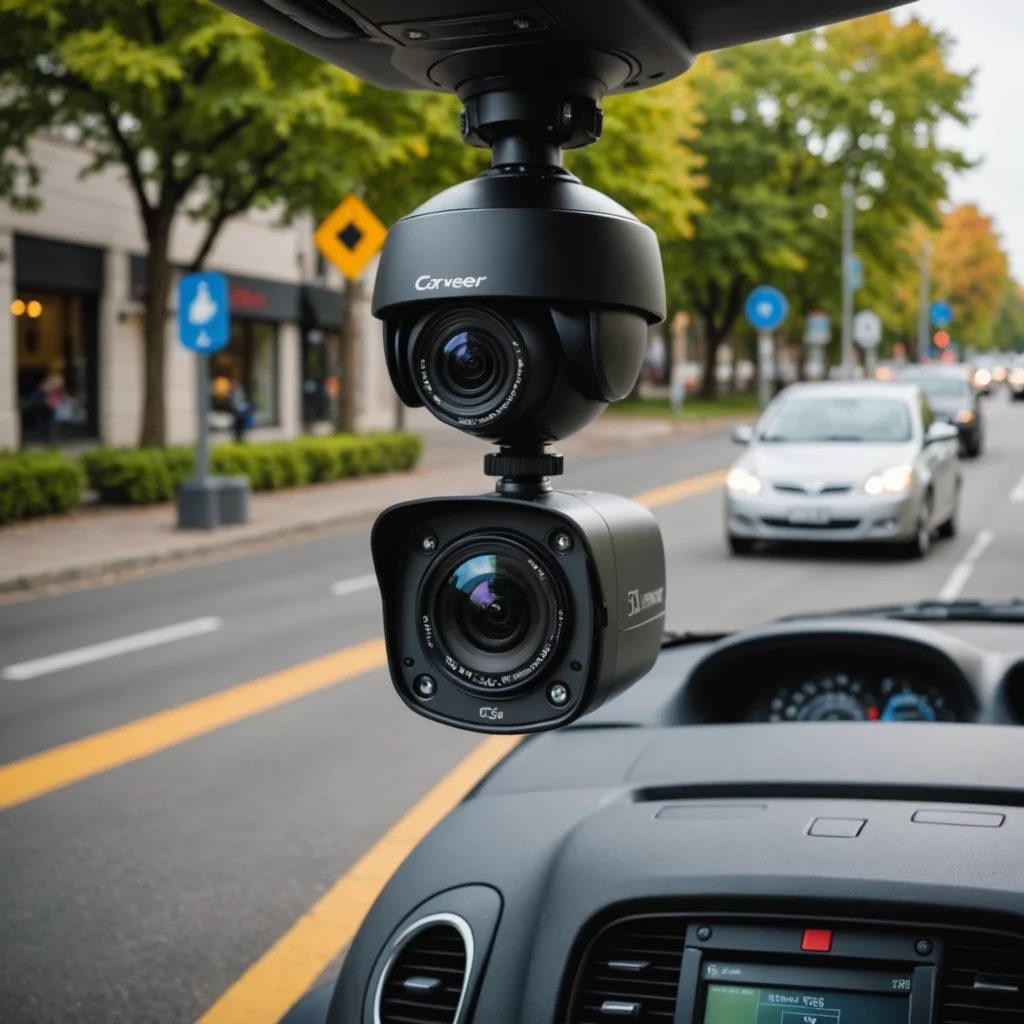

Ethernet Outdoor Cameras have become a go-to choice for reliable, high-performance surveillance in both residential and commercial settings. Combining wired network stability with advanced features like higher resolution, extended range, and centralized power delivery, these cameras offer advantages over purely wireless solutions. This article explains what Ethernet outdoor cameras are, why Power over Ethernet (PoE) matters, practical installation approaches, the different camera types available — including covert and specialized spy camera forms — and the legal and ethical considerations to keep in mind. If you use outdoor PoE systems, consider PoE covert models for discreet surveillance in harsh environments.
What are Ethernet Outdoor Cameras and how they work
Ethernet outdoor cameras are network-based surveillance devices that connect to a local area network via an Ethernet cable. They are typically IP cameras that transmit video data over the network to a network video recorder (NVR), cloud service, or directly to monitoring software. Many models use Power over Ethernet to carry both power and data on the same cable, eliminating the need for a separate power connection and simplifying outdoor deployments. Because they use a wired connection, Ethernet cameras provide consistent bandwidth and lower latency than wireless systems, making them well suited to high-resolution streaming and mission-critical monitoring.
Advantages of PoE and why professionals prefer wired outdoor surveillance
One of the biggest reasons installers choose Ethernet Outdoor Cameras is the ability to use PoE (Power over Ethernet). With PoE, a single Cat5e or Cat6 cable supplies both electricity and network connectivity. This reduces installation time, cuts costs on conduit and power supply runs, and allows cameras to be positioned where electrical outlets are impractical. For outdoor setups, PoE enhances reliability because the wired link is less susceptible to interference and signal dropout than Wi-Fi. When evaluating options, search terms like security cameras poe outdoor highlight units designed specifically for exterior conditions, with weatherproof housings and temperature-rated components that can handle rain, snow, dust, and extreme temperatures.
Common types and form factors, including covert and specialized spy camera options
Ethernet outdoor cameras come in several form factors to match different surveillance needs. Bullet and turret cameras are common for long-range coverage and clear deterrence. Dome cameras offer a more discreet, vandal-resistant profile that is popular for storefronts and entrances. For specific spy camera types within the outdoor category, there are cameras designed to blend into their surroundings: models disguised as light fixtures, motion sensors, or landscape elements allow for covert observation while retaining Ethernet connectivity and PoE support. There are also miniaturized IP cameras intended for covert deployments that still use a wired network connection and can be integrated with NVR systems for centralized recording.
When choosing a type, consider optical performance like resolution and lens type, infrared or low-light sensitivity for night monitoring, and ruggedization ratings such as IP66 or IP67. For covert applications, ensure the camera’s housing and placement won’t attract attention while still delivering a clear field of view and reliable network access.
Practical installation tips for durable outdoor performance
Installing Ethernet Outdoor Cameras requires planning for cable runs, protection against the elements, and proper network configuration. Use outdoor-rated Ethernet cable and weatherproof connectors where the cable exits the enclosure. If you are running cable long distances, choose Cat6 for better performance and future-proofing; remember that PoE has practical distance limitations, so for runs beyond 100 meters you may need a PoE extender or a local power source. Grounding, surge protection, and lightning arrestors are recommended for outdoor installations to protect devices and the rest of your network. Consider Ethernet baby monitoring when you need low-latency, reliable video like outdoor PoE setups.
Network-side considerations include VLAN segmentation for camera traffic, assigning static IP addresses or DHCP reservations for easier management, and enabling encryption and secure access protocols. Recording options range from local NVRs, which are common in business deployments, to cloud-based solutions that offer remote viewing and off-site backups. For many homeowners and small businesses, a hybrid approach — local recording with cloud backup of critical clips — balances reliability and redundancy.
Use cases: where Ethernet outdoor cameras excel
Ethernet Outdoor Cameras are well suited to several practical scenarios. For home security, they provide continuous perimeter coverage and crisp evidence-grade video for gates, driveways, and entrances. Small and medium businesses rely on Ethernet cameras for retail loss prevention, employee safety, and property monitoring because of the consistent footage quality and easier integration with access control and alarm systems. In remote or seasonal properties, wired cameras combined with PoE-powered switches and solar or battery backups can offer resilient surveillance without requiring full-time on-site power infrastructure. They are also favored in construction site monitoring and municipal deployments where multiple cameras feed into a centralized NVR for long-term storage and audit trails.
Legal, ethical, and privacy considerations for covert deployments
While some Ethernet outdoor cameras are designed for discreet observation and can be part of specific spy camera types, it is essential to consider local laws and privacy norms before deploying any covert camera. Recording audio or video in areas where people have a reasonable expectation of privacy is often illegal. Even in public spaces, notification requirements or signage may apply. When using disguised outdoor units, document the justification for their placement and consult legal counsel if you intend to use footage as evidence. Ethical deployment means balancing security needs with respect for neighbors and passersby, and ensuring stored footage is secured against unauthorized access.
Finally, keep firmware up to date and use strong authentication methods to prevent unauthorized access to your camera feeds. Regular maintenance, including cleaning lenses and checking seals, will prolong the life of outdoor equipment and maintain image quality.
Ethernet Outdoor Cameras deliver robust, high-quality surveillance for a wide range of situations. Their combination of PoE convenience, reliable network connectivity, and diverse form factors — from overt deterrent models to discreet spy-type housings — makes them flexible tools for protecting property and gathering evidence. When selecting and installing these systems, prioritize weatherproofing, proper network configuration, and legal compliance to ensure the camera system performs effectively and responsibly for years to come.