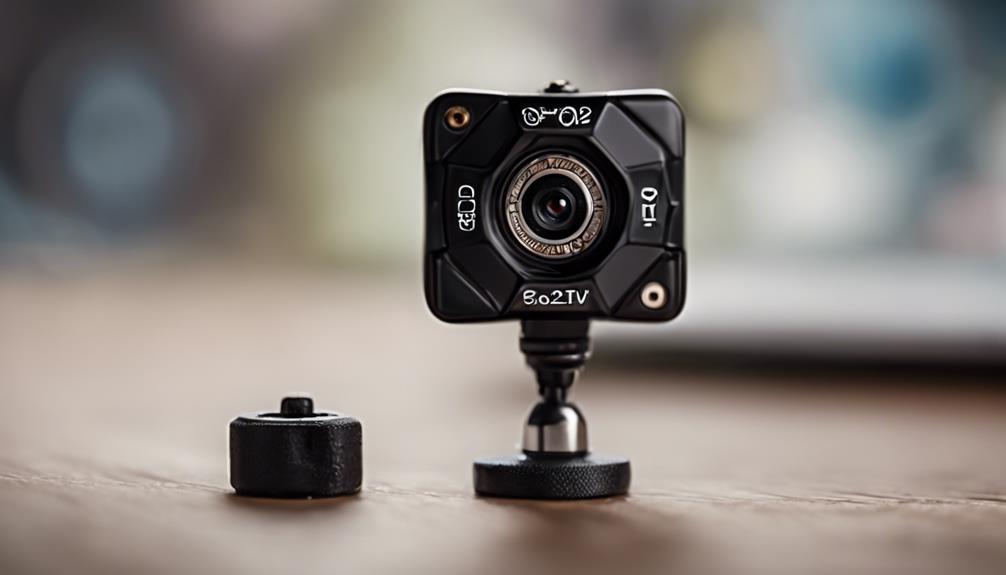

A security camera monitoring service combines video equipment, monitoring software, trained operators, and defined response procedures. Instead of leaving a business to review recordings after an incident, professional monitoring can help identify activity as it happens, verify alerts, and escalate situations according to an agreed plan. Learn how monitoring providers extend services to covert surveillance options for discreet property and risk management.
This approach can support loss prevention, workplace safety, property protection, and remote management. It may be useful for retail stores, offices, warehouses, construction sites, industrial facilities, and organisations operating across several locations.
What a monitored camera service includes
A monitored system generally connects cameras and other security devices to a monitoring centre. Operators may review live video when an alarm or analytics-based alert is generated, assess what is happening, and follow the customer’s response instructions.
Depending on the site and service package, a system may include:
- Live video review during specified hours or around the clock
- Motion detection and activity-based alerts
- Video verification of alarms before escalation
- Recorded footage for incident investigation
- Remote access for authorised managers
- Integration with access control, intrusion alarms, or existing security guard cameras
- Incident reports documenting alerts, operator actions, and outcomes
The exact response varies by location and contract. It may involve contacting a designated employee, sending on-site security personnel, or notifying emergency services where appropriate and legally permitted.
Why businesses use professional video monitoring
Self-monitored cameras can provide useful visibility, but they require someone to notice alerts, interpret the video, and decide what to do next. A professional service adds an operational layer between the camera and the business owner.
That support can help organisations:
- Respond more consistently to suspicious activity or unauthorised access
- Reduce the burden on managers who cannot watch multiple feeds
- Protect equipment, inventory, entrances, and restricted areas
- Document incidents for internal reviews, insurers, or legal advisers
- Monitor locations where a full-time guard presence is impractical
- Identify recurring problems involving lighting, access procedures, or site layout
Video monitoring works best as part of a wider security plan. Clear procedures, appropriate lighting, reliable connectivity, and trained on-site personnel all affect how useful the service will be.
Common commercial applications
Retail and customer-facing locations
Retail businesses may use monitored cameras around entrances, stockrooms, registers, loading areas, and other higher-risk zones. Video can support loss prevention, help verify alarms, and provide a record of incidents involving customers, employees, or deliveries.
Office buildings
Office building surveillance can help facilities teams oversee entrances, reception areas, car parks, and access points to sensitive spaces. Monitoring may also support response to after-hours movement, forced-entry alarms, or activity in areas that are normally unoccupied. A monitored service can complement eight-camera setups by providing centralized oversight, alerts, and faster response to incidents.
Construction and industrial sites
Remote video monitoring can provide visibility at sites where valuable tools, materials, vehicles, or machinery are stored. Cameras may also help document unauthorised entry and provide useful records when equipment or materials go missing.
Multi-site operations
Businesses with several premises can use a central monitoring arrangement to apply consistent procedures across locations. Managers should still define site-specific instructions, since the appropriate response may differ between a shop, office, warehouse, or outdoor facility.
Choosing a surveillance service provider
When comparing surveillance companies, look beyond the camera hardware. The monitoring process and service terms are equally important. Ask potential providers about:
- Monitoring hours and expected response procedures
- How alerts are verified and escalated
- Video storage, retention periods, and backup arrangements
- Data security and access controls
- Compatibility with existing cameras and access systems
- Equipment maintenance and connectivity failures
- Incident reporting and customer notifications
- Service-level commitments, availability, and cancellation terms
A written service agreement should explain responsibilities on both sides. It should also identify who can access footage, who receives alerts, and what happens if a camera, network connection, or monitoring service becomes unavailable.
Privacy and hidden camera considerations
Hidden camera applications require particular care. Concealed surveillance may be considered for fraud investigations, asset protection, or quality assurance, but the legal requirements vary by jurisdiction and by the location being recorded. Rules may address consent, audio recording, employee monitoring, notice, data retention, and access to recordings.
Before using a concealed camera, obtain appropriate legal and privacy guidance and document the legitimate purpose of the surveillance. Avoid areas where people reasonably expect strong privacy, such as restrooms and changing rooms. A business should also establish limits on who may view the footage, how long it will be retained, and when it must be deleted.
Making the service more effective
Begin with a site assessment rather than adding cameras indiscriminately. Identify entrances, blind spots, valuable assets, restricted areas, and likely incident scenarios. Review footage and incident reports periodically to determine whether camera placement, lighting, staffing, or access procedures should change.
It is also important to test escalation procedures. Staff should know how to respond when the monitoring centre calls, how to preserve relevant footage, and who has authority to make operational decisions. With the right combination of technology, trained operators, documented policies, and regular review, monitored video can become a practical part of a broader business security strategy.