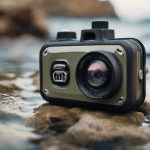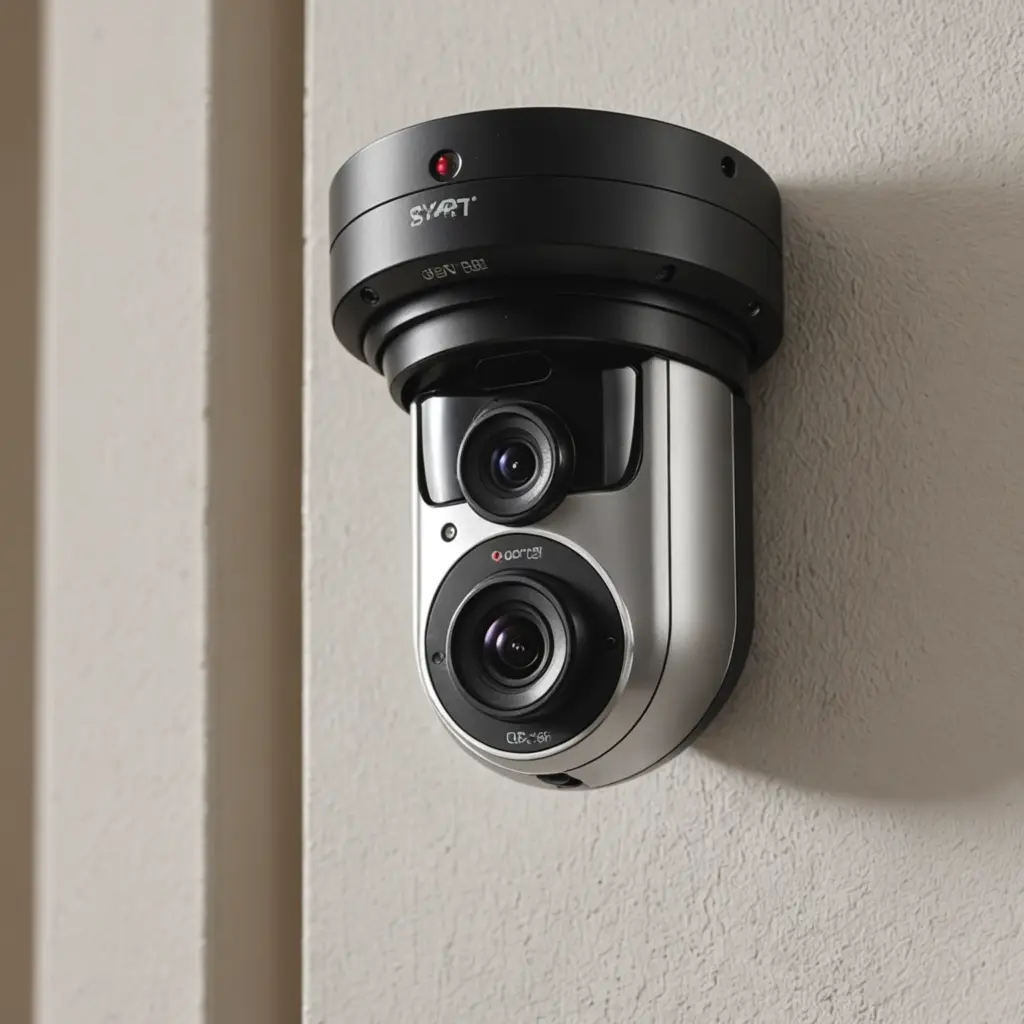

A hidden camera plant combines a small camera with decorative foliage or a flower pot, allowing the device to blend into an ordinary room setting. These products are designed for discreet monitoring, but they should only be used for lawful, legitimate purposes and in ways that respect other people’s privacy.
How a hidden camera plant works
Most plant-style camera devices conceal a miniature lens within an artificial plant, flower, stem, or pot. The camera electronics may be housed in the base, along with a battery compartment, memory card slot, or wireless connection hardware. Depending on the model, footage may be stored locally, viewed through a mobile application, or both.
Common functions include motion-triggered recording, night vision, and remote live viewing. Motion detection can reduce unnecessary recordings and conserve storage or battery power. Night vision may help in dim rooms, although performance depends on the design and available ambient light. Some devices also include audio features, but recording sound is subject to additional legal restrictions in many locations.
What to consider before choosing one
The most suitable design depends on the room, the intended monitoring period, and whether remote access is necessary. A small flower-pot camera may suit a shelf or table, while a larger artificial plant can look more natural in a corner. Consider the following features:
- Image quality: Choose a camera that produces clear footage at the distances you need to cover.
- Storage: Check whether recordings use a memory card, cloud service, or another storage method, and understand any associated limits or costs.
- Connectivity: Wi-Fi can support remote viewing, but the signal must be dependable at the intended location. Local recording may be preferable when remote access is unnecessary.
- Power: Compare battery runtime with the length of time the device will operate. Continuous power may be more practical for extended use.
- Motion detection: Adjustable sensitivity can help reduce recordings caused by pets, curtains, changing light, or other irrelevant movement.
- Security controls: Look for account protection, secure connections, and firmware updates. Use a strong, unique password rather than default login details.
Appropriate uses
A plant-style camera can be useful for monitoring an entryway, living area, or pet space in a home when the occupants and visitors have been properly informed where required. It may also help a homeowner check on a property while away or observe how a pet behaves during an empty-house period.
Businesses should approach these devices carefully. Monitoring a public-facing area or a workplace may be subject to notice, consent, employment, and data-protection requirements. A visible security camera and clear notification may be more appropriate than a concealed device, particularly when employees, customers, contractors, or visitors could be recorded.
Placement and setup
Place the plant where it has a clear, useful view without pointing into areas where people reasonably expect privacy. Entry points, shared living spaces, and a pet’s usual area may be suitable in some circumstances. Bathrooms, bedrooms used by others, changing areas, and other private spaces should never be monitored.
Before relying on the camera, test the image from the intended position during both daylight and low-light conditions. Avoid direct sunlight, reflective surfaces, and locations where leaves or decorations can block the lens. If the device uses Wi-Fi, test the connection in its final position rather than assuming coverage will be adequate. Route power cables safely and avoid creating a tripping hazard.
Privacy, consent, and responsible operation
Laws governing video and audio recording vary by jurisdiction. Rules may differ between recording in a private home, a workplace, a rental property, or a public-facing business area. Audio can be especially sensitive. Before installing a hidden camera plant, determine whether notice or consent is required and whether recording is allowed at all in the proposed location.
Do not use a concealed camera to record people in private spaces, or to monitor caregivers, staff, tenants, guests, or household members in secret where the law requires disclosure. When practical, explain what is being recorded, why it is being recorded, where footage is stored, and who can access it. If the situation is unclear, seek qualified local legal advice.
Maintenance and footage management
Clean the lens gently and keep dust, soil, and artificial foliage from obstructing the view. Review motion settings periodically and remove recordings that are no longer needed. Limit access to saved footage, protect the associated account, and avoid sharing recordings unnecessarily. Regular checks of the battery, storage capacity, connection, and camera angle can prevent missed events.
A hidden camera plant can provide unobtrusive monitoring in suitable settings, but concealment should not replace privacy, consent, or basic security practice. Choose a device that matches the required power and storage needs, position it carefully, and use it only for clearly lawful and responsible purposes.