
Travelers today carry more than luggage: they carry concern for privacy and personal safety. The phrase Hotel Spy Cam evokes both fear and curiosity because hidden recording devices have been discovered in commercial lodging. Understanding the specific types of hotel spy camera devices, how they operate, and what practical steps to take if you suspect surveillance can help you protect your privacy while traveling. This article examines common spy camera forms, real-world uses, detection methods, and responsible responses to a discovered device. If worried about Hotel Spy Cam incidents, study common room lens types for detection and prevention.
Common types of hotel spy camera devices
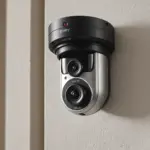
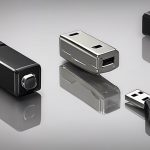
Hotel spy camera equipment comes in many disguises, designed to blend into ordinary room fixtures and personal items. Miniature pinhole cameras are among the most prevalent; these have tiny lenses that can be concealed in smoke detectors, wall clocks, or power strips. Button cameras and eyeglass cameras hide small lenses inside buttons or frames, offering a direct line of sight while remaining inconspicuous. Another common type is the USB or power adapter camera, which looks like a functional charger but houses a camera and sometimes a microphone. Wireless Wi-Fi hidden cams stream footage live to a remote viewer, while battery-powered models record to microSD cards and are placed inside alarm clocks, tissue boxes, or even decorative objects.
How hotel spy camera technology is used
Understanding how hotel spy cameras are used helps travelers recognize suspicious setups. In some cases, cameras are employed for criminal purposes such as voyeurism, blackmail, or theft. Hidden cameras can also capture sensitive personal information—credit card numbers, passwords, or intimate activity—if positioned near desks, beds, or mirrors. Conversely, similar technologies are sometimes used legitimately by property managers for security, for instance in public areas or to monitor staff. The key difference is notice and consent: legitimate monitoring is typically disclosed, whereas covert placement in private areas like bathrooms or bedrooms is a violation of privacy and often illegal.
Practical methods to detect a hotel spy camera
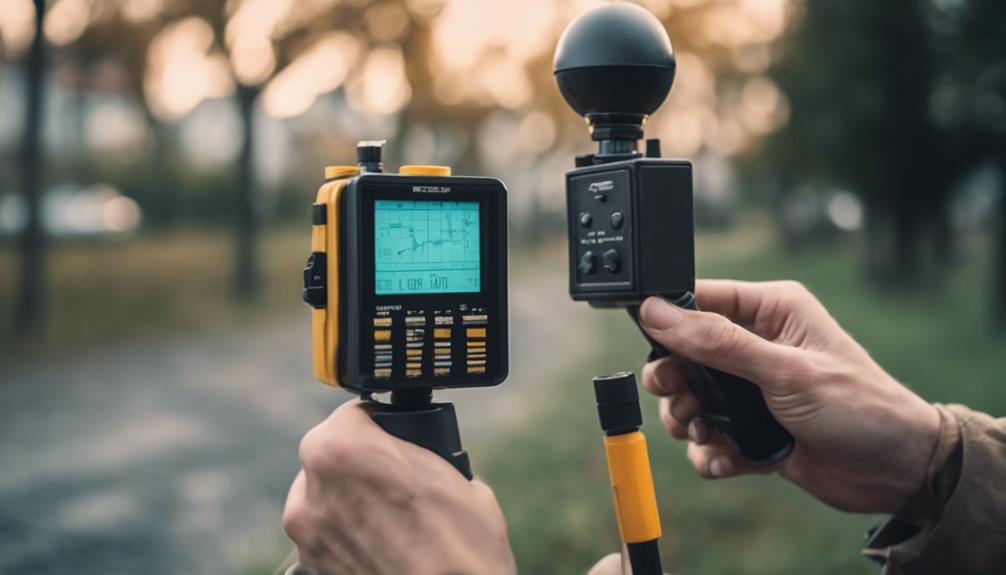
Detecting a hotel spy cam requires a calm, systematic approach. Start with a visual sweep of the room, focusing on odd or out-of-place objects and small holes that could conceal lenses. Examine smoke detectors, clocks, decorative items, and power outlets closely. Use a flashlight or your phone’s flashlight to scan suspicious items; a camera lens will often reflect light differently, revealing a tiny glint. Many modern spy cameras use infrared LEDs for night vision; your phone camera can sometimes reveal these as small glowing dots when viewing the room in a dim setting. Additionally, check for unexpected Wi-Fi networks or devices connected to the room network using a network scanner app. RF detectors or dedicated hidden camera detectors can locate transmitting devices by picking up wireless signals, but they are not foolproof against wired or offline recording devices.
What to do if you find a hotel spy camera
If you discover a suspected hotel spy camera, prioritize safety and evidence preservation. Do not immediately destroy the device; instead, take clear photographs from multiple angles and note the location and any visible wires or connected equipment. If the device appears to be recording to the cloud or streaming, avoid touching network equipment to preserve potential digital evidence. Notify hotel management and request immediate escalation to security or local law enforcement. If you feel threatened, leave the room and contact police right away. If possible, secure the device in a bag or container to prevent tampering, and get a written statement from hotel staff acknowledging the discovery. Documenting the incident thoroughly will assist investigators and may be necessary for insurance or legal claims. Hotel guests concerned about covert recording should learn about switch mounted surveillance disguised as light switches.
Preventive steps and travel best practices
Travelers can take several preventive measures to reduce the risk of covert surveillance. Book rooms at reputable properties and review recent guest feedback for mentions of privacy concerns. Request a room away from service entrances or adjoining rooms when possible. Upon arrival, perform a quick privacy check: inspect common hiding places, position furniture so that sensitive activities are not in clear line of sight of room fixtures, and consider covering suspicious objects with clothing or a towel if you do not wish to use them. For added protection, use a privacy pouch for valuables and avoid conducting sensitive work on hotel Wi-Fi without a VPN. Portable camera detectors and portable motion-activated privacy devices are available for travelers who want extra reassurance.
Legal and ethical considerations
While it is important to know how hotel spy cameras function, it is equally important to recognize the legal and ethical boundaries governing surveillance. Laws vary by jurisdiction, but recording someone in a private space without consent is illegal in many places, and devices placed in bathrooms or bedrooms typically violate criminal statutes. If you are considering using small cameras for personal safety, use them responsibly: inform any roommates or guests when appropriate, and avoid placing cameras where people have a reasonable expectation of privacy. When a covert camera is found in a hotel room, reporting it to law enforcement helps protect future guests and holds offenders accountable under applicable laws.
Hidden cameras in hotel rooms are a real concern, but knowledge and preparedness reduce risk. By understanding the specific spy camera types, learning practical detection methods, and following clear steps when you encounter a device, you can protect your privacy while traveling. Responsible, lawful actions help ensure that hotels remain safe places for rest and work, and that those who misuse surveillance technology are identified and stopped.