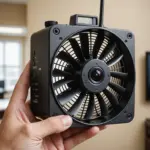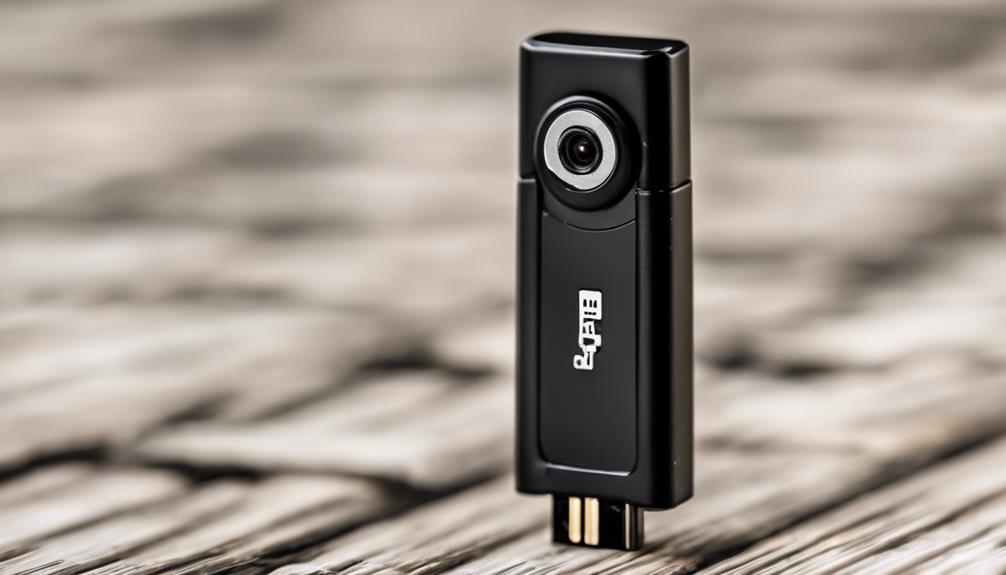

As surveillance technology has shrunk, the micro micro camera has become a defining tool for discreet monitoring. These ultra-compact imaging devices fit into everyday objects and tight spaces, offering high-resolution footage from a nearly invisible footprint. Whether used for legitimate home security, investigative work, or specialized industrial inspection, understanding what a micro micro camera can and cannot do is essential for buyers, installers, and users who prioritize discretion and image quality.
What is a micro micro camera?
A micro micro camera refers to an extremely small camera module designed for covert recording and placement in confined environments. Smaller than typical micro cameras, these devices often employ pinhole lenses or miniature glass optics to capture video while remaining concealed. They can vary in form factor from tiny standalone modules to fully integrated units hidden inside everyday items like smoke detectors, alarm clocks, or USB chargers. Advances in sensor technology and compression algorithms allow these diminutive cameras to deliver surprisingly clear footage despite their size.
Key features and technical considerations
When evaluating a micro micro camera, several technical aspects determine real-world performance. Sensor size and resolution are primary concerns: higher megapixels and larger sensors typically produce better low-light performance and detail. Lens aperture and focal length affect field of view and depth of field, which matter when the camera will be placed close to objects or in wide areas. Connectivity options range from wired analog outputs to Wi-Fi streaming and encrypted cloud uploads. Power sources include rechargeable batteries, hardwired power, and motion-activated consumption to extend battery life. Additional features like night vision LEDs, motion detection, and onboard storage via microSD cards also influence suitability for different tasks.
Common types and concealment methods
Micro micro cameras come in a variety of types tailored to different concealment strategies. Pinhole cameras, which use an almost imperceptible lens opening, excel at hiding in thin structures like walls or frames. Button cameras mimic clothing buttons and are designed for wearable use. Household-item disguises integrate camera modules into functioning objects such as power adapters, clocks, and smoke detectors, allowing them to blend into home and office environments. For industrial applications, endoscopic micro cameras designed for pipe or engine inspection offer extreme flexibility and access to narrow spaces where larger devices cannot reach.
Practical use cases
There are several legitimate applications where a micro micro camera is the best tool for the job. For homeowners, micro cameras can discreetly monitor entry points, nanny activity, or valuables while preserving the aesthetic of a living space. Small business owners use them to deter theft and document incidents in retail environments with limited room for visible cameras. In investigative professions and law enforcement, covert micro cameras aid evidence collection when overt surveillance would be ineffective. Technicians and engineers also rely on micro cameras for inspecting machinery, HVAC ducts, and other confined areas where access is restricted.
Installation, power, and connectivity tips
Installation of a micro micro camera requires careful planning to balance concealment and performance. Determine the ideal mounting height and angle to maximize the field of view and avoid obstructions. If battery powered, calculate expected runtime and consider motion-activated recording to conserve power. For continuous monitoring, hardwiring is preferable, but it may reveal the device if cables are visible. Wireless micro cameras offer flexibility and remote access through apps, but ensure robust encryption and a secure network to prevent unauthorized access. Where possible, test the placement during different lighting conditions to ensure acceptable image quality day and night.
Legal and ethical considerations
Using a micro camera raises important privacy and legal issues that vary by jurisdiction. Covert recording of private spaces, such as bathrooms or locker rooms, is illegal in many regions and can result in severe penalties. Even in public or semi-private settings, informed consent and transparent use policies are often required for workplaces and rental properties. Ethical use involves restricting surveillance to legitimate purposes like safety and property protection, minimizing intrusion into personal privacy, and securely storing and disposing of recorded footage. If in doubt, consult local laws or legal counsel before deploying any covert recording device.
How to choose the right micro micro camera
Selecting the best micro micro camera depends on the intended application and constraints. Prioritize image quality and low-light performance if detail is critical, and look for cameras with adjustable focal lengths for varied placement distances. For long-term monitoring, battery life and storage capacity are key considerations. If concealment is paramount, choose a form factor that matches the environment and avoids drawing attention. Consider manufacturers with clear specifications and support for firmware updates to maintain security over time. Finally, balance cost against features: extremely cheap models may lack encryption, reliability, or adequate customer support.
Micro micro cameras offer powerful capabilities in a tiny package, enabling discreet monitoring and inspection across a range of contexts. When chosen and deployed responsibly—respecting legal limits and ethical boundaries—these devices can enhance home security, support investigative work, and provide access in industrial scenarios where larger cameras cannot reach. Careful consideration of technical specifications, concealment methods, and connectivity will help ensure the micro micro camera you select meets your needs without compromising privacy or safety.