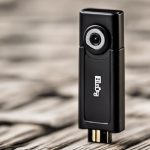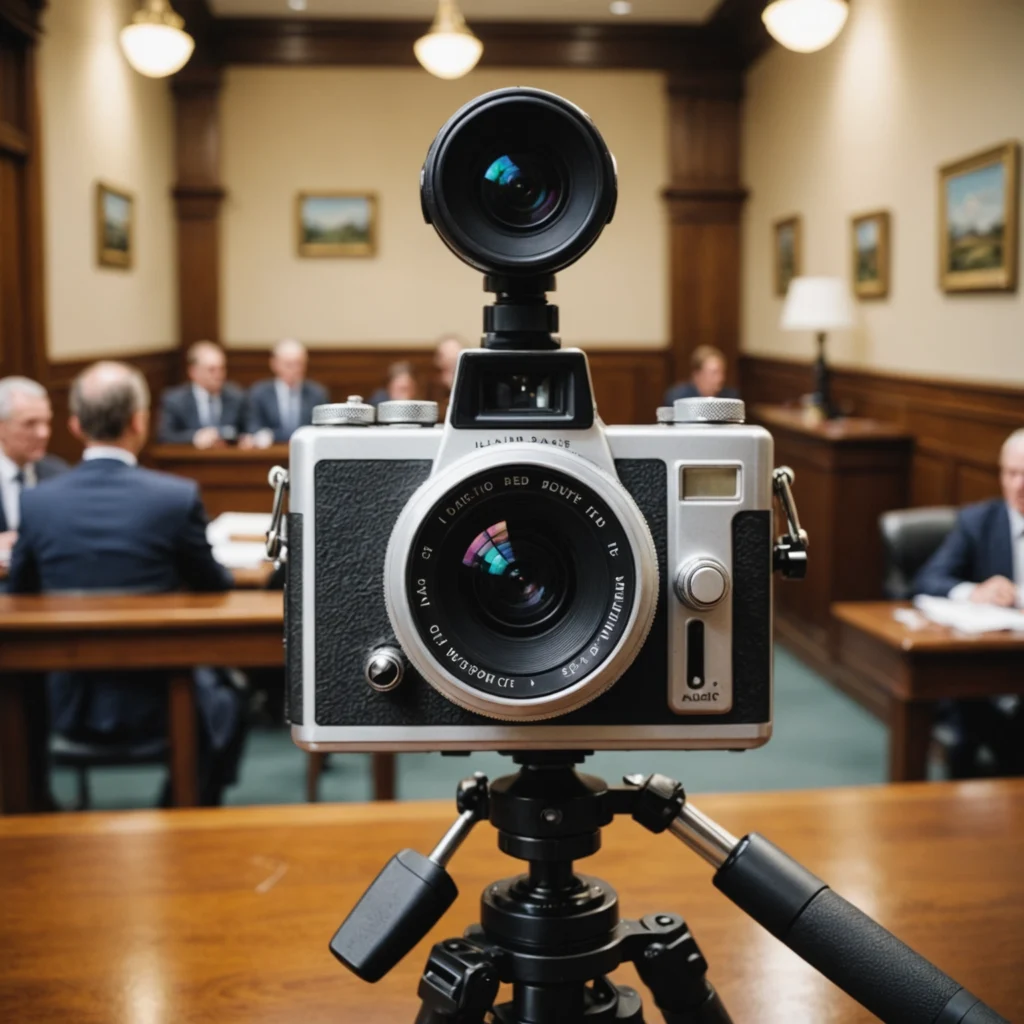

Hidden cameras range from tiny camera modules to compact devices built into ordinary-looking equipment. They may be used for security, monitoring property, or recording activity in spaces where the user has a legitimate right to install surveillance equipment. Choosing the right option requires more than finding the smallest camera: image quality, power, connectivity, storage, placement, and privacy obligations all matter.
Common types of hidden cameras
Hidden cameras differ mainly in their size, housing, power source, and recording method. Common categories include:
- Micro camera modules: Small lens-and-sensor assemblies that can be installed inside a suitable enclosure or device. Their compact size can make placement easier, but they may have limited battery capacity and fewer features.
- Compact concealed cameras: Small standalone units designed to blend into their surroundings. They may offer a better balance between concealment, video quality, and operating time than the smallest modules.
- Wireless cameras: Devices that connect to a local network for remote viewing, alerts, or app-based playback. They require dependable connectivity and careful account and network security.
- USB-powered cameras: Cameras that draw power from a computer, wall adapter, or another compatible USB source. They can be practical for fixed installations, although remote access may require additional equipment or software.
- Motion-activated cameras: Cameras that begin recording when movement is detected. This can reduce unnecessary footage and conserve storage or battery power, but detection performance depends on placement and surroundings.
Choosing a camera for a particular setting
The best choice depends on what you are trying to protect and whether continuous or event-based recording is appropriate. For property security, a discreet camera may monitor an entrance or another area you control, while motion detection can help focus attention on activity rather than hours of empty footage. In some situations, a conventional visible security camera is the clearer and more responsible option.
Small businesses may consider surveillance to protect equipment, stock, or restricted areas. Any workplace installation should take account of employee notice requirements, company policies, and applicable privacy rules. In a home, monitoring should be limited to appropriate areas and should not intrude on the privacy of guests, household workers, tenants, or family members.
For travel or temporary projects, a compact camera may be easier to carry and position. However, recording people in public or private spaces can still be restricted, and portability does not remove the need for consent or lawful purpose.
How small should a hidden camera be?
Miniaturization makes it possible to find very small camera components, but the smallest option is not automatically the most useful. A reduced size can involve trade-offs in battery life, low-light performance, storage capacity, audio capability, and heat management. A camera that is slightly larger but connected to continuous power may provide more dependable coverage.
Before choosing a tiny camera, decide whether you need short-term recording or extended operation. Also consider whether the lens will have a clear, unobstructed view. Concealing a camera behind unsuitable material, glass, or a decorative opening may reduce image quality and make the device less reliable.
Connectivity, power, and storage
Wireless models are convenient when remote viewing or phone alerts are important. They should be configured with strong account credentials and a secure network, since an improperly protected camera can expose recorded footage or live video. Check how recordings are stored, whether storage is local or cloud-based, and how long files are retained.
USB-powered or otherwise wired cameras may be preferable when a stable power source is available. They can support longer operation than battery-powered devices, but cable routing and installation become part of the planning process. Motion-triggered recording can reduce storage requirements, although it may miss activity if the camera is poorly positioned or the detection settings are too restrictive.
What to check before buying
- Video resolution and performance in low light
- Motion detection controls and alert options
- Battery life or continuous-power requirements
- Local storage, cloud storage, and playback methods
- Wireless security and account protection
- Viewing angle and practical mounting options
- Warranty terms, specifications, and seller support
Buy from a seller that provides clear technical information rather than relying only on claims about being the smallest or most discreet camera. Reviews can help identify installation and reliability issues, but they should be considered alongside the stated specifications.
Legal and ethical responsibilities
Hidden-camera laws vary by location, and audio recording may be subject to rules that differ from those governing video. Bedrooms, bathrooms, changing areas, and other private spaces require particular caution and are commonly inappropriate places for concealed recording. Workplace surveillance may also require notice, consent, or a documented business purpose.
Before installing any camera, confirm that you have the authority to monitor the area and understand the applicable local requirements. Informing employees, guests, or other affected people when recording may occur is often the clearest approach. Protect recorded footage, limit access to people who need it, and delete material when it is no longer necessary.
Making the decision
A hidden camera should be selected according to the legitimate security need, not simply its size. Compare concealment with reliability, power, image quality, storage, and network security. Most importantly, use surveillance only in spaces and circumstances where it is lawful, proportionate, and respectful of other people’s privacy.