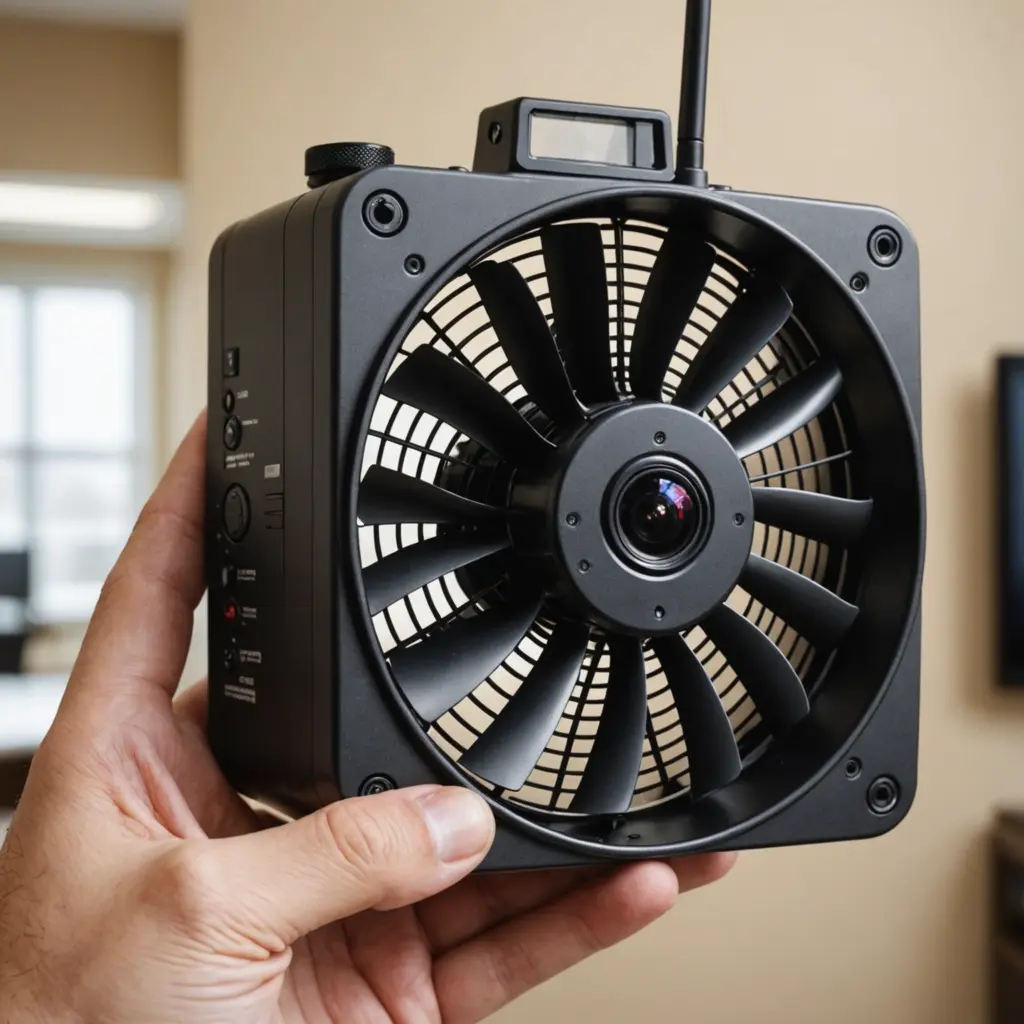

The shower camera is a niche but increasingly discussed category within specific spy camera types. As consumer electronics have shrunk and become more rugged, devices marketed as shower head cameras or waterproof hidden shower head camera units have appeared. This article explains the main types, highlights waterproof and technical features, explores legitimate use cases, and emphasizes legal and ethical considerations so you can evaluate whether a bathroom cam or shower camera is appropriate for your needs. In shower installations, consider waterproof covert models to compare different specialized surveillance device types and safety issues.
Common types of shower and bathroom cameras
When people search for shower camera options they often encounter several distinct product types. The most visible are showerhead camera units that look like a normal shower head but house a tiny lens and recording module. Variations include shower head spy camera models and showerhead camera systems designed to stream footage to a phone. Other designs adapt existing bathroom fixtures; for example, cameras hidden in lights blend a lens into vanity lighting or overhead fixtures so they are less obvious.
There are also compact waterproof hidden webcams marketed for broader wet environments. These are often sold as waterproof hidden shower camera models, intended to be placed discretely in boat cabins, spas, or other areas where moisture resistance matters. Some models prioritize live streaming and remote access, while others emphasize onboard storage on a microSD card for later review.
Waterproof features, image quality, and connectivity
For any shower hidden cam or shower camera waterproof model, ingress protection and durability are essential. Manufacturers typically advertise IP67 or IP68 ratings for devices expected to withstand direct water exposure. Image quality varies widely; small form factors often sacrifice sensor size and low-light performance, producing grainier footage in dim bathroom lighting.
Connectivity options range from Wi-Fi streaming to Bluetooth pairing and local-only recording. A waterproof hidden shower webcam with Wi-Fi enables real-time monitoring on a smartphone and can be useful for legitimate safety purposes. However, the more connectivity features a device has, the more attention should be paid to encryption, firmware updates, and secure passwords to prevent unauthorized access to streams.
Practical, lawful use cases for a shower camera
Because bathrooms are private spaces, using any kind of bathroom cam or secret camera in shower raises serious privacy and legal questions. Acceptable, lawful uses are limited and typically require informed consent. One common legitimate scenario is fall prevention and safety monitoring for elderly or disabled individuals who agree to being monitored; a waterproof shower camera can enable caregivers to check for emergencies without constant physical presence. Similarly, in some commercial settings such as public pools or hotel back-of-house areas, visible cameras can help protect staff and property when placed outside private zones.
For daycare centers or assisted living facilities, transparent policies and consent from guardians or residents are essential before installing monitoring equipment. Rather than a concealed bathroom spy camera, facilities often rely on visible cameras in common areas and use non-visual sensors (motion or water-sensor alarms) to detect falls or flooding in private spaces while protecting privacy.
Legal and ethical considerations
Installing a bathroom camera or a hidden shower cam without consent is illegal in many jurisdictions and can lead to criminal charges and civil liability. Laws vary by country and state, but privacy protections typically prohibit recording in locations where individuals have a reasonable expectation of privacy, such as restrooms and showers. The term bathroom spy camera often appears in searches because some people seek covert surveillance, but legality and ethics must be the first filter for any consideration of these devices. Compare shower privacy considerations with broader indoor monitoring requirements when choosing cameras for different house areas.
Even when monitoring is intended for safety, transparency is crucial. Documented consent, clear policies on who has access to footage, retention limits, and secure storage practices are necessary to respect dignity and reduce legal risk. If your goal is home security, consider alternatives that offer protection without compromising privacy—such as visible security cameras in entrances and common rooms, doorbell cameras, or smart water and motion sensors that alert caregivers without capturing images in private spaces.
Alternatives and safer options to hidden shower cameras
Rather than a secret camera in shower or a shower hidden cam, many people find more appropriate solutions to achieve safety and security goals. Wearable fall-detection devices, bathroom-mounted pull cords connected to alert systems, and water leak detectors provide monitoring and emergency response capabilities without recording private activities. Visible cameras placed at the entrance to a bathroom, with clear signage and consent, can sometimes offer a compromise between safety and privacy.
For businesses that require surveillance, consult legal counsel and consider camera placement that avoids direct views into toilets or shower stalls. Cameras hidden in lights or other fixtures may be sold for discrete monitoring, but their use in private areas is ethically fraught and often unlawful. When in doubt, choose transparent solutions and prioritize consent and data security over secrecy.
Choosing and maintaining a responsible shower head camera or bathroom camera
If, after considering legal and ethical factors, you decide a waterproof hidden shower head camera or shower head spy camera is appropriate—typically in very limited and consented situations—select devices from reputable manufacturers, check IP ratings for waterproofing, and verify that the device supports encrypted connections and regular firmware updates. Secure the device with strong, unique passwords and limit access to authorized caregivers or administrators.
Regularly review recorded footage retention policies and delete data promptly when it’s no longer needed. Keep documentation of consent and the reasons for monitoring, and periodically reassess whether non-visual alternatives could replace continuous recording while still meeting safety needs.
Conclusion: Shower cameras and related bathroom cam products exist in a range of forms, from showerhead camera units to cameras hidden in lights and waterproof hidden webcams. While some products offer practical benefits for safety monitoring and property protection, their use in bathrooms raises significant privacy and legal issues. Prioritize consent, choose transparent and secure solutions, and consider alternatives such as sensors and visible cameras to balance safety with respect for personal privacy.