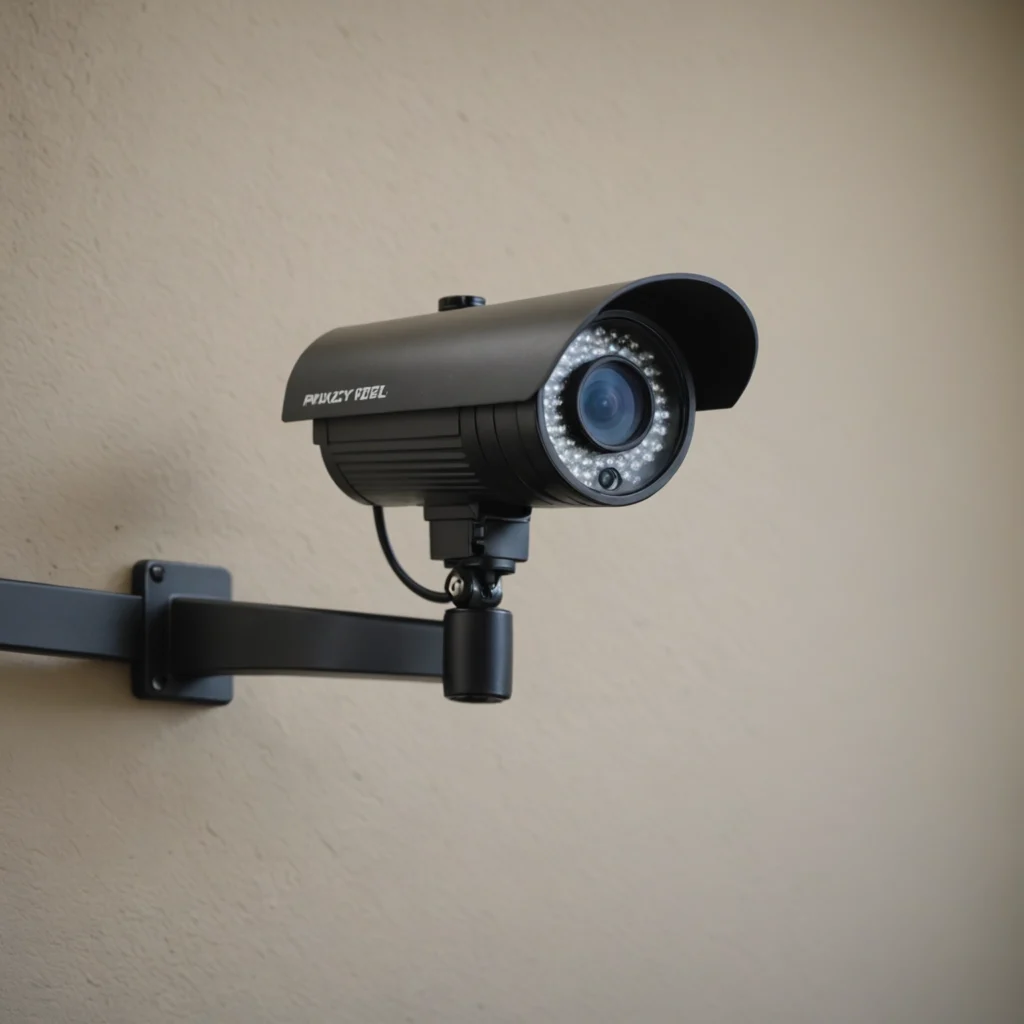

A spy cam candid is a small or disguised camera designed to record without attracting attention. Unlike conventional security cameras, which are visibly mounted and clearly identified, candid cameras are often built into compact housings or everyday objects. They may be used for property protection, documenting incidents, or monitoring a specific area when a large visible camera would be impractical.
Discreet equipment can be useful, but it also creates significant privacy and legal responsibilities. The right choice depends not only on image quality and features, but also on where the camera will be installed, who may be recorded, and whether people have been informed.
What makes a candid spy camera different?
The main distinction is concealment. A candid camera may use a very small lens, a compact body, or an enclosure designed to resemble an ordinary household item. Some models record to internal or removable storage, while others connect to a local network for remote viewing.
Discreet appearance does not automatically make a camera suitable or lawful. A device should never be installed in a place where people reasonably expect privacy, and recording audio can be subject to stricter rules than recording video.
Common types of candid camera
Pinhole and mini-lens cameras
Pinhole cameras use a small lens that can be positioned behind a narrow opening in an approved enclosure. Their compact size makes them suitable for fixed indoor monitoring, provided the installation is permitted and does not damage property or invade someone’s private space.
Depending on the model, useful features may include motion-triggered recording, scheduled operation, low-light support, and local storage. Before installation, check the camera’s viewing angle and test whether the lens can capture the intended area without recording unnecessary surroundings.
Cameras built into everyday objects
Some discreet cameras are integrated into objects such as clocks, chargers, smoke-detector-style housings, or pens. Their familiar appearance can make them less visually distracting than a conventional camera, but that same concealment can make them more ethically sensitive.
These products may offer wireless access, alerts, or automatic recording. Network-enabled models should be configured carefully because an unsecured camera can expose recorded footage or live video to unauthorized users.
Wearable and button cameras
Wearable cameras are designed to move with the user and can provide a first-person view. They may be considered for documenting a work activity or an interaction where recording is lawful and appropriate. Because they can capture people at close range without an obvious camera in view, consent and local recording rules are especially important.
How to choose the right device
Start with the monitoring objective rather than the camera’s appearance. Consider the following factors:
- Location: Identify the area that needs protection and avoid bedrooms, bathrooms, changing areas, and other private spaces.
- Power: Decide whether continuous mains power, a rechargeable battery, or another approved power source is practical.
- Storage: Compare local storage with network or cloud access, and determine how long recordings should be retained.
- Image quality: Check resolution, viewing angle, and performance in the actual lighting conditions.
- Connectivity: Wireless viewing can be convenient, but it requires a secure network and strong account credentials.
- Audio: If audio is not necessary, disabling it can reduce privacy risks and simplify compliance.
Legitimate uses and responsible placement
A candid camera may have a legitimate role in protecting a home, documenting suspected property damage, monitoring an entrance, or reviewing activity around a permitted business area. In workplaces, rental properties, and shared homes, clear notice or consent may be required and is often the most responsible approach even when a hidden device might technically be allowed.
Keep the camera limited to the area relevant to the security concern. Avoid capturing neighboring properties, public spaces beyond what is necessary, private conversations, or people who are unrelated to the stated purpose. Do not use a concealed camera to harass, intimidate, exploit, or secretly record intimate activity.
Legal and ethical checks before recording
Recording laws differ by location. Rules may address consent, audio interception, workplace monitoring, surveillance in rented property, disclosure requirements, and the handling of recorded images. Audio is frequently treated more strictly than video, so local guidance should be checked before enabling a microphone.
Do not assume that owning a device gives you permission to use it anywhere. When the situation involves employees, tenants, caregivers, guests, children, or shared spaces, obtain appropriate advice and consider informed notice. If a recording may be used as evidence, preserve it securely and avoid altering the original file.
Setup and security practices
Once lawful placement has been established, test the camera from the intended angle and confirm that it records only what is necessary. Use motion detection or a schedule when continuous recording is not required. Check battery levels, storage capacity, date and time settings, and recording quality regularly.
For connected cameras, replace default passwords, use a unique strong password, enable available security protections, keep the device’s software updated, and limit account access to trusted users. Review recordings periodically and delete them when they are no longer needed.
A spy cam candid should be treated as a security tool, not as a license for unrestricted surveillance. Careful selection, narrow placement, secure operation, and respect for consent can help achieve a legitimate monitoring goal while reducing unnecessary intrusion.