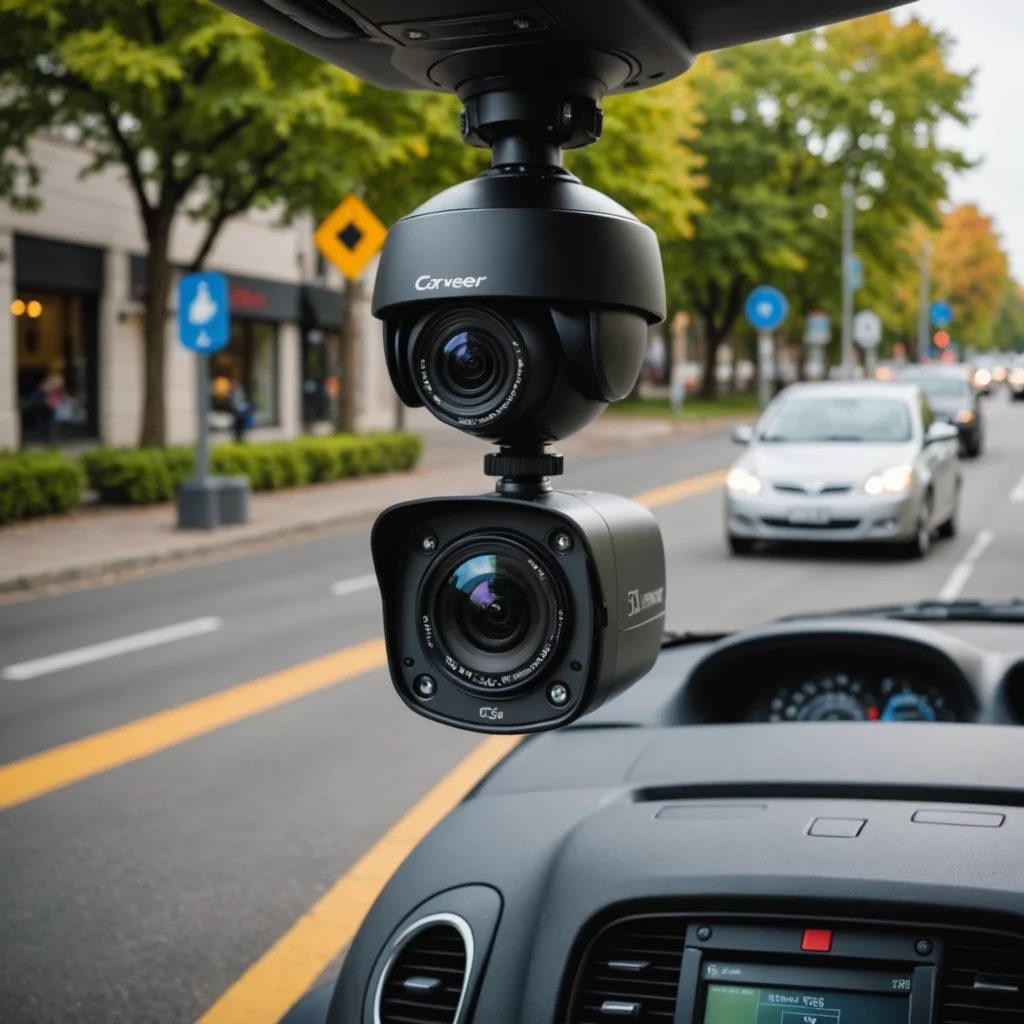

Questions about spy cameras and teens involve more than choosing a small recording device. Parents, guardians, landlords, and caregivers may have legitimate concerns about home security, property damage, or a young person’s safety. However, hidden surveillance can intrude on privacy, damage trust, and create legal problems. A responsible approach begins by identifying the actual safety concern and considering transparent alternatives before any camera is installed.
Why adults consider cameras around teenagers
Monitoring may be considered when a household needs to protect common areas, investigate repeated property damage, or confirm that agreed care arrangements are being followed. A visible home-security camera can also help establish what happened when someone enters or leaves the property.
These goals do not automatically justify secret recording. Teenagers are developing independence and need private space, even when they live under a parent or guardian’s supervision. Cameras should address a specific, proportionate concern rather than provide continuous observation simply because the technology is available.
Types of cameras and monitoring devices
Small cameras are often built into ordinary-looking objects or compact accessories. Examples include devices designed to resemble:
- Wall chargers or other plug-in electronics
- Clocks, picture frames, or household decorations
- Pens and other personal accessories
- Smoke detectors or air-purifier components
- Body-worn items, including clothing accessories
Depending on the model, a camera may use motion detection, low-light recording, local memory cards, cloud storage, or remote viewing. These features can increase convenience, but they also increase the importance of access controls, secure storage, and clear rules about who may view or retain footage.
Where cameras should not be placed
Bedrooms, bathrooms, changing areas, and other spaces where a person reasonably expects privacy are especially sensitive. Secretly recording a teenager in such a location can cause serious emotional harm and may expose the person installing the device to civil or criminal consequences, depending on local law.
Audio deserves particular caution. In some jurisdictions, recording conversations without the required consent is restricted even when video recording might be permitted. Laws differ by location, household circumstances, and the people being recorded, so anyone considering surveillance should obtain qualified local legal advice rather than assume that ownership of a property makes recording lawful.
Choose transparency over disguised surveillance
For ordinary home-security needs, visible cameras are generally a more responsible option than disguised devices. Tell household members where cameras are located, explain what they record, and limit them to shared spaces when possible. Clear notice can prevent misunderstandings and gives teenagers an opportunity to raise reasonable privacy concerns.
Before selecting equipment, ask:
- What specific problem is the camera meant to solve?
- Could a less intrusive measure address the same concern?
- Will video, audio, or both be recorded?
- Who can access the footage?
- How long will recordings be kept, and when will they be deleted?
- Is motion detection available to reduce unnecessary recording?
Use strong account passwords, restrict remote access, update the device when updates are available, and avoid sharing footage casually. A camera should not become a permanent archive of a teenager’s daily life.
Alternatives to hidden cameras
Many safety concerns can be handled without covert recording. Depending on the situation, families might use check-in routines, phone-based location sharing by agreement, parental-control tools, visible entry cameras, door or window alerts, or clearly defined household responsibilities. These approaches can provide useful information while leaving more room for privacy.
If the underlying issue is conflict, suspected risky behavior, or a breakdown in trust, conversation and professional support may be more effective than surveillance. Family counseling, mediation, or guidance from an appropriate safeguarding professional can help address the cause rather than only documenting its symptoms.
Set a household monitoring agreement
If monitoring is necessary because of a clear safety or property concern, involve the teenager as much as their age and circumstances allow. Discuss camera locations, recording times, access permissions, retention periods, and the conditions for removing the device. Document the reason for monitoring and review the arrangement regularly.
The goal should be targeted safety support, not constant control. Transparent equipment, limited recording, careful data handling, and honest communication can help protect people and property without treating a teenager’s privacy as unimportant. When the concern can be solved without a camera, choosing the less intrusive option is usually the better decision.