
A secret doorbell camera is designed to monitor an entryway while blending into the appearance of a conventional doorbell. Depending on the model, it may provide motion detection, night vision, wireless video, recording, and two-way communication. These features can help homeowners, landlords, and small businesses understand what is happening at a front door without adding a conspicuous security device to the exterior.
However, discreet monitoring should be planned carefully. The camera’s field of view, audio settings, storage method, and local privacy rules all matter. A concealed design should not be treated as permission to record people in places where they reasonably expect privacy.
What a secret doorbell camera does
In practical terms, a secret doorbell camera combines a small camera with the housing or appearance of a doorbell. It can be installed near the entrance in place of, or alongside, an existing doorbell. Video may be viewed on a phone, an indoor monitor, or another device connected to the doorbell system.
Common features include:
- Motion-triggered video recording
- Live viewing through a connected device
- Night vision for low-light conditions
- Wireless connectivity and notifications
- Two-way video and audio communication
- Local storage, cloud recording, or a combination of both
Two-way communication can be useful for speaking with visitors or delivery drivers without opening the door. It can also provide a way to respond to unexpected activity while remaining inside the property.
Practical uses at a home or business
A discreet entryway camera can support several ordinary security and convenience needs. It may record delivery drop-offs, help document activity around a porch, and allow residents to check who has arrived before answering. Motion alerts can also provide awareness when someone approaches the entrance outside normal visiting hours.
For a small business or rental property, a doorbell camera can help monitor arrivals and departures around an entrance. In shared or commercial spaces, people should be informed about surveillance when required by local rules and when disclosure is appropriate. A visible notice can also help preserve trust with customers, tenants, visitors, and workers.
For households coordinating care or regular visits, live video can make it easier to confirm when a caregiver or other expected visitor arrives. The camera should be used for that limited purpose rather than to monitor private areas or specific individuals without a legitimate reason.
Placement and installation guidance
Position the camera near the existing doorbell and aim it toward the approach to the door. The goal is to capture the visitor’s face and the immediate doorstep without unnecessarily recording neighboring properties, windows, or a broad section of the public street.
Before permanently mounting the unit:
- Check the viewing angle from a standing visitor’s perspective.
- Test the image in daylight and after dark.
- Look for glare from porch lights, reflective surfaces, or direct sunlight.
- Confirm that the wireless signal reaches the camera reliably.
- Verify that motion detection covers the approach without excessive false alerts.
- Use weather protection that is suitable for the device and its location.
If the camera replaces a wired doorbell, confirm that the existing wiring and power arrangement are compatible with the device. If it is battery-powered, include battery checks in the maintenance routine. An indoor monitor can provide a convenient way to view the entrance, while a phone app may be more useful when away from home.
Connecting it to a wider security system
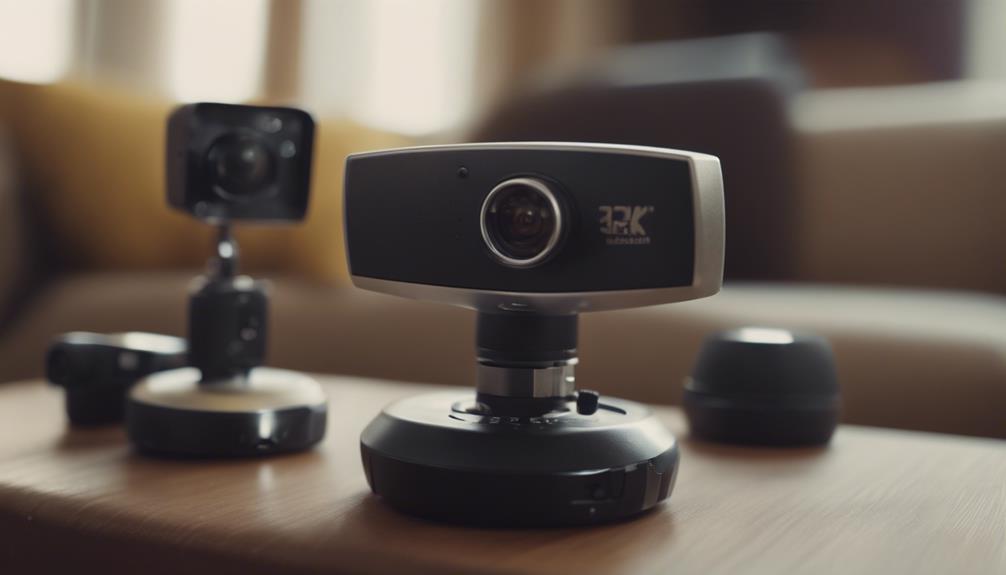
A secret doorbell camera can operate by itself or form part of a broader doorbell and home-security setup. Depending on compatibility, it may work with indoor displays, lighting, smart locks, other cameras, or a network video recorder. A multi-camera display can provide a quick overview of several areas, but access to that system should be protected with strong credentials.
When comparing systems, consider where recordings will be stored, how long they will be retained, and who can access them. Local storage may reduce dependence on an online service, while cloud storage can make footage easier to review from another location. Whichever option is selected, use available security controls and avoid sharing camera access unnecessarily.
Privacy, legal, and ethical considerations
Rules for surveillance differ by jurisdiction, particularly for audio recording. Do not aim the camera into another person’s home or another location where people have a reasonable expectation of privacy. Recording sidewalks, shared entrances, or neighboring property may also be regulated, so adjust the camera’s angle and privacy settings where possible.
Audio deserves special attention because consent requirements may be stricter than those for video. Check applicable local laws before enabling two-way audio or continuous sound recording. Businesses, landlords, and operators of shared spaces may have additional notice, consent, or retention obligations. When the rules are unclear, obtain advice from a qualified local legal professional.
Hidden or visible: which approach is better?
A visible doorbell camera may deter unwanted behavior because people can see that the entrance is monitored. A discreet model may better suit a property where appearance is important or where the owner wants a less prominent device. Neither approach replaces careful placement, secure account management, and respect for privacy.
The best choice depends on whether the priority is visible deterrence, unobtrusive design, visitor communication, or integration with other security equipment. Used for a clearly defined purpose and installed within legal and ethical boundaries, a secret doorbell camera can improve awareness at an entryway without turning the surrounding area into an uncontrolled surveillance zone.