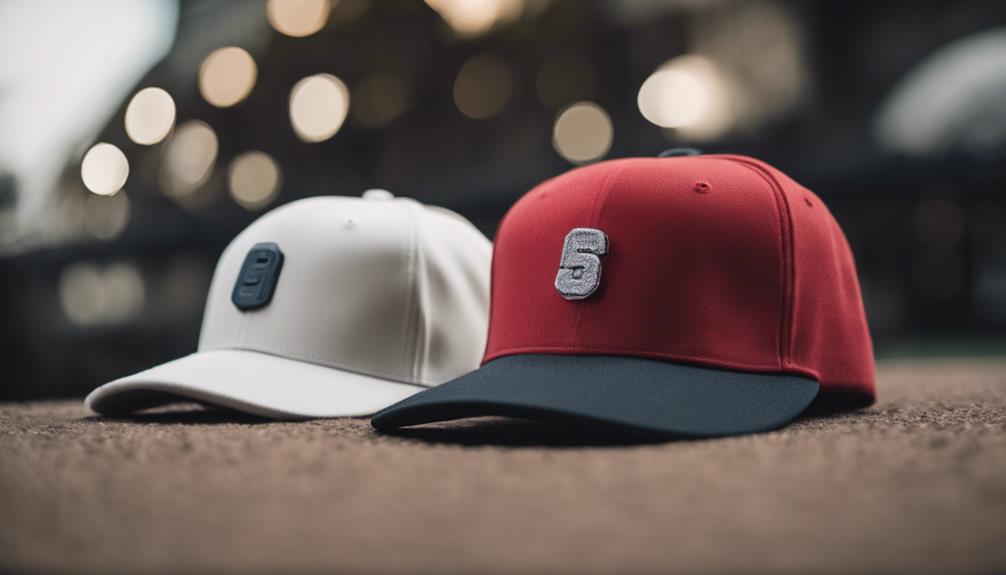

Baseball-hat cameras are designed to place a small recording device inside an everyday item of clothing. The legacy list associated with this topic names five models—Camera Hat Pro, StealthCap HD, SpyderHat 4K, CovertCap Mini, and HatCam Elite—but it does not provide independently verified specifications, prices, availability, or test results. Treat those names as examples from the original article rather than confirmed recommendations.
If you are considering a wearable camera, the most important questions are not simply whether it records in HD or 4K. Image quality, battery life, storage, comfort, camera placement, audio behavior, and the legal rules where you live all affect whether a device is appropriate for a legitimate use.
What to compare in a baseball-hat camera
Video quality and field of view
Higher resolution can preserve more detail, but it does not guarantee useful footage. Look for information about the lens, field of view, stabilization, frame rate, and performance in changing light. A wide-angle lens may capture more of a scene while making distant faces or text appear smaller. If the manufacturer does not publish sample footage or clear specifications, be cautious about claims such as “ultra-HD” or “professional quality.”
Battery and storage
Recording time depends on battery capacity, resolution, lighting, and whether wireless features are active. Check whether the battery is built in, replaceable, or charged through a standard connector. Also confirm how recordings are stored. Internal memory, removable cards, and phone-connected storage each have different advantages, and important footage should be transferred and backed up promptly.
Comfort and camera alignment
A wearable camera is only useful if the hat fits securely and the lens stays pointed in the intended direction. Consider adjustability, weight, heat, cable placement, and whether the camera remains aligned when you walk or turn your head. A camera positioned too high or low may record an obstructed or poorly framed view.
How the five legacy examples were positioned
- Camera Hat Pro: Presented as an all-purpose option with high-definition recording and connectivity for transferring files. Verify the actual recording resolution, transfer method, and battery runtime before relying on these features.
- StealthCap HD: Described as a high-resolution model intended to produce clear footage in different lighting conditions. Look for real low-light samples and details about audio recording.
- SpyderHat 4K: Positioned around ultra-high-definition video and fine image detail. A 4K label alone does not establish lens quality, stabilization, storage capacity, or usable battery life.
- CovertCap Mini: Emphasized for its compact, inconspicuous form. Smaller designs may be easier to wear, but check whether the reduced size affects battery capacity, controls, heat management, or recording time.
- HatCam Elite: Presented as a premium surveillance-oriented option with advanced features. Compare its documented specifications and support policy with less expensive alternatives rather than assuming that “elite” indicates better performance.
Use wearable cameras responsibly
A concealed camera can intrude seriously on other people’s privacy. Laws and regulations differ by location, and audio recording may be subject to stricter consent requirements than video. Before recording, understand the rules that apply to your setting and obtain clear consent where required. Do not use a hidden camera in bedrooms, bathrooms, changing areas, medical spaces, or other places where people reasonably expect privacy.
For workplaces, schools, businesses, investigations, or security duties, obtain the relevant authorization and follow the organization’s recording and data-retention policies. Visible recording equipment—or a plainly displayed notice—may be more appropriate than a concealed device. Never use a wearable camera to stalk, intimidate, impersonate, or secretly monitor someone.
A practical buying checklist
- Confirm the manufacturer, warranty, return policy, and replacement-battery options.
- Check independent sample footage rather than relying only on marketing language.
- Verify recording time, charging time, storage limits, and file formats.
- Find out whether audio can be disabled when it is not needed.
- Review app permissions, wireless security, and how recordings are deleted.
- Test framing and comfort before using the camera for an important event.
- Keep recordings secure and retain only footage with a legitimate purpose.
Final perspective
The five names in the original list represent different priorities: general features, image resolution, compactness, and premium positioning. However, the supplied information is not enough to establish that any one is the best or that these products are currently available. Choose based on verifiable specifications and lawful, transparent use—not on claims of secrecy alone. For many personal documentation and safety situations, an openly used body camera or phone may provide a clearer and more privacy-conscious solution.