
Choosing a camera location is about more than finding a place where the device is difficult to notice. A good position should provide useful coverage, protect the equipment, avoid blind spots, and respect the privacy of everyone who may be recorded.
For that reason, use cameras openly and only where you have the right to monitor. In a home, this generally means focusing on entrances, shared living areas, garages, driveways, and other spaces where security is the goal. Do not place cameras in bathrooms, bedrooms, changing areas, or other locations where people reasonably expect privacy. If other adults, tenants, guests, or workers may be recorded, explain the system and follow the laws and rules that apply to your situation.
Useful locations for indoor cameras
Facing main entrances
A camera aimed at a front door, back door, or internal entryway can help show who enters and leaves. Mount it where the doorway, surrounding approach, and the visitor’s face are visible. Avoid pointing it directly toward a bright window, since strong backlighting can make people difficult to identify.
High corners in shared rooms
A high corner in a living room, hall, or other communal area can provide a broad view without placing the camera within easy reach. Corner placement often reduces blind spots, but the lens should still be angled carefully so that it records only the intended room and not a private area beyond it.
Near valuable equipment
If the purpose is to protect a computer, safe, tool cabinet, or other valuable item, position the camera nearby with a clear, unobstructed view. A visible camera can also act as a deterrent. Keep cables secured and make sure the device does not interfere with ventilation, doors, or normal use of the room.
Outdoor placement ideas
Driveways and walkways
Outdoor cameras are often most useful when they cover the approach to a home or building rather than pointing straight at a neighboring property. Mount the device high enough to reduce tampering, while keeping the image clear enough to distinguish people and vehicles.
Gates and side passages
Narrow access points can become blind spots if they are not considered when planning coverage. A camera aimed along a gate or side passage may help monitor movement, but avoid recording areas outside your property unless you have a lawful reason and permission to do so.
Placement checks before installation
- Test the viewing angle: Confirm that the important area remains visible when doors open, furniture moves, or people walk through the scene.
- Check lighting: Look for glare, deep shadows, reflections, and bright windows that may reduce image quality.
- Protect the device: Use a stable mount, route cables safely, and keep the camera away from heat, water, and anything that could block the lens.
- Limit the field of view: Aim only at the area necessary for the security purpose. Privacy masks or similar settings can help exclude neighboring homes and private spaces.
- Review access: Use strong account credentials and limit recordings to people who genuinely need them.
- Set a retention policy: Keep footage only as long as needed for the stated purpose, then delete it securely.
Why disguising a camera can create problems
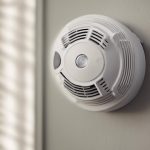
Hiding a camera inside ordinary objects such as clocks, chargers, smoke detectors, picture frames, or plants may make people unaware that they are being recorded. That can violate privacy expectations, workplace policies, housing rules, or applicable law. Modifying smoke detectors or electrical devices can also create safety risks and may prevent those products from working correctly.
If a camera must be unobtrusive for a legitimate security reason, choose a small but clearly disclosed device and place it in a shared area. A visible notice can help set expectations, and a conventional security camera is easier to maintain, reposition, and troubleshoot than a concealed device.
A practical approach to responsible surveillance
Start by identifying the specific risk you want to address, such as unauthorized entry or damage to property. Select the smallest coverage area that solves that problem, discuss the setup with affected people where appropriate, and check the image from the camera’s actual position at different times of day. This produces more useful footage while reducing unnecessary monitoring.
The best camera location is not necessarily the most secret one. It is a secure, well-aimed position in an appropriate area, supported by clear notice, limited access, and a defined reason for recording.