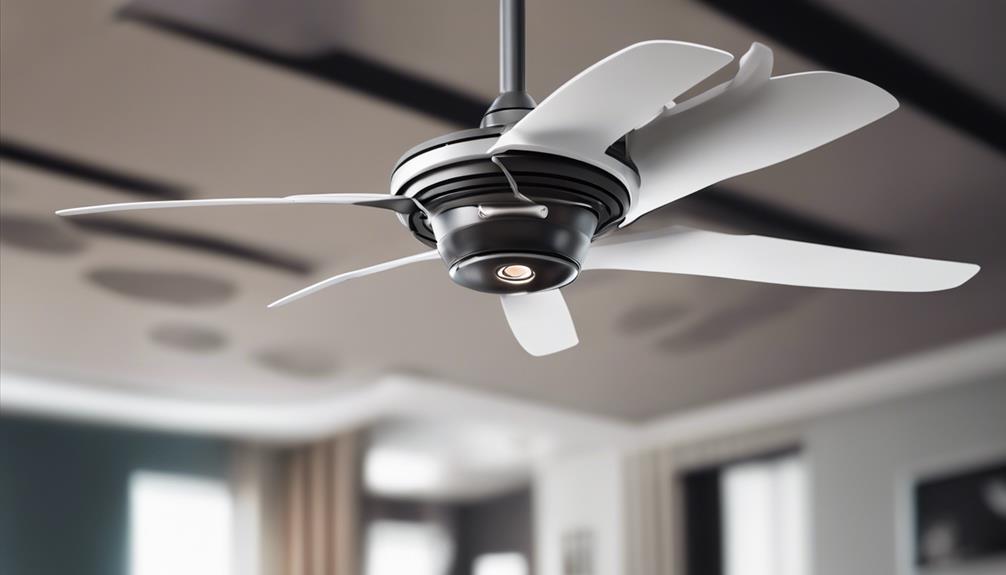

A ceiling fan spy camera combines an everyday household fixture with a built-in surveillance system. Its main appeal is a discreet appearance: the camera is designed to blend into the fan housing or blades rather than looking like a conventional security device. Depending on the model, it may also offer remote viewing, night vision, motion-triggered recording, two-way audio, and a relatively simple installation process.
Because features can vary between products, review the manufacturer’s specifications before choosing a device. It is also important to use any concealed camera responsibly and in accordance with applicable privacy and surveillance laws. Do not record private conversations or areas where people reasonably expect privacy without the required permission.
Discreet ceiling-fan design
The defining feature is the camera’s concealed placement. Instead of mounting a visible lens on a wall or shelf, the device is integrated into the structure of a ceiling fan. The surrounding fixture helps it blend with the room, while the fan continues to serve its normal purpose.
This design can provide a broad vantage point from above, depending on the camera’s position and viewing angle. It may be suitable for monitoring an entrance, living area, office, or another permitted space without adding a conspicuous standalone camera to the room. Before installation, consider whether furniture, light fittings, or the moving fan blades could obstruct the camera’s view.
Remote access and live monitoring
Some ceiling fan camera systems allow authorized users to view a live feed through a connected device and an online or mobile platform. Remote access can be useful when you need to check a monitored area while away from the property.
Depending on the system, the platform may also provide controls for settings such as motion sensitivity, recording schedules, or alert preferences. Notifications can help draw attention to activity without requiring someone to watch the live feed continuously.
Security should be a priority when using remote access. Use strong, unique account credentials, restrict access to trusted users, and follow the product’s guidance for securing the camera and its connected platform.
Night vision for low-light conditions
Night vision can extend monitoring beyond daylight hours. The legacy specifications describe infrared illumination, which is intended to help the camera capture images when visible lighting is limited. This can support surveillance in dim rooms or during the night.
Night vision performance is not the same in every environment. The final image may depend on the camera’s sensor, the distance to the subject, nearby surfaces, and the amount of available light. Test the camera after installation so you know what it can and cannot clearly capture in darkness.
Motion detection and automated recording
Motion detection is designed to make recording more focused. Rather than saving continuous footage, the camera can begin recording or send an alert when movement is detected in its monitored area. This may reduce unnecessary recordings and make important clips easier to find.
Adjustable sensitivity can be helpful, particularly in rooms where changes in light, moving curtains, pets, or the rotating fan itself could trigger unwanted alerts. A short testing period can help you find a practical balance between missed events and excessive notifications.
Two-way audio communication
A built-in microphone and speaker may allow authorized users to listen to the monitored space and speak through the camera. Two-way audio can support interactive communication, such as addressing someone in the room or checking on activity without being physically present.
Audio recording and live listening raise additional privacy concerns because conversations may be captured. Use this function only for legitimate purposes, provide notice or obtain consent where required, and protect access to the audio feed just as carefully as the video feed.
Installation and setup
These devices are often presented as suitable for straightforward installation with basic tools. A typical setup involves switching off electrical power, securing the camera or fan assembly, connecting the required cables, restoring power, and adjusting the viewing angle. Always follow the supplied instructions rather than relying on a generic procedure.
Electrical work involving a ceiling fixture can create safety risks. If the installation requires changes to household wiring or you are unsure about the connections, use a qualified professional. After installation, test the fan, camera view, motion alerts, night vision, remote access, and audio functions before relying on the system.
Choosing and using the system responsibly
- Confirm which features are actually included in the model you are considering.
- Check the intended viewing area and whether the camera angle can be adjusted.
- Secure accounts, devices, and stored recordings against unauthorized access.
- Use visible notice or consent when required, especially for audio monitoring.
- Avoid bedrooms, bathrooms, and other areas where privacy is expected.
With its integrated appearance and combination of remote monitoring, low-light viewing, motion alerts, audio communication, and guided setup, a ceiling fan spy camera can provide several surveillance functions in one fixture. Its usefulness ultimately depends on correct installation, realistic expectations about image quality, strong security practices, and respectful compliance with privacy requirements.