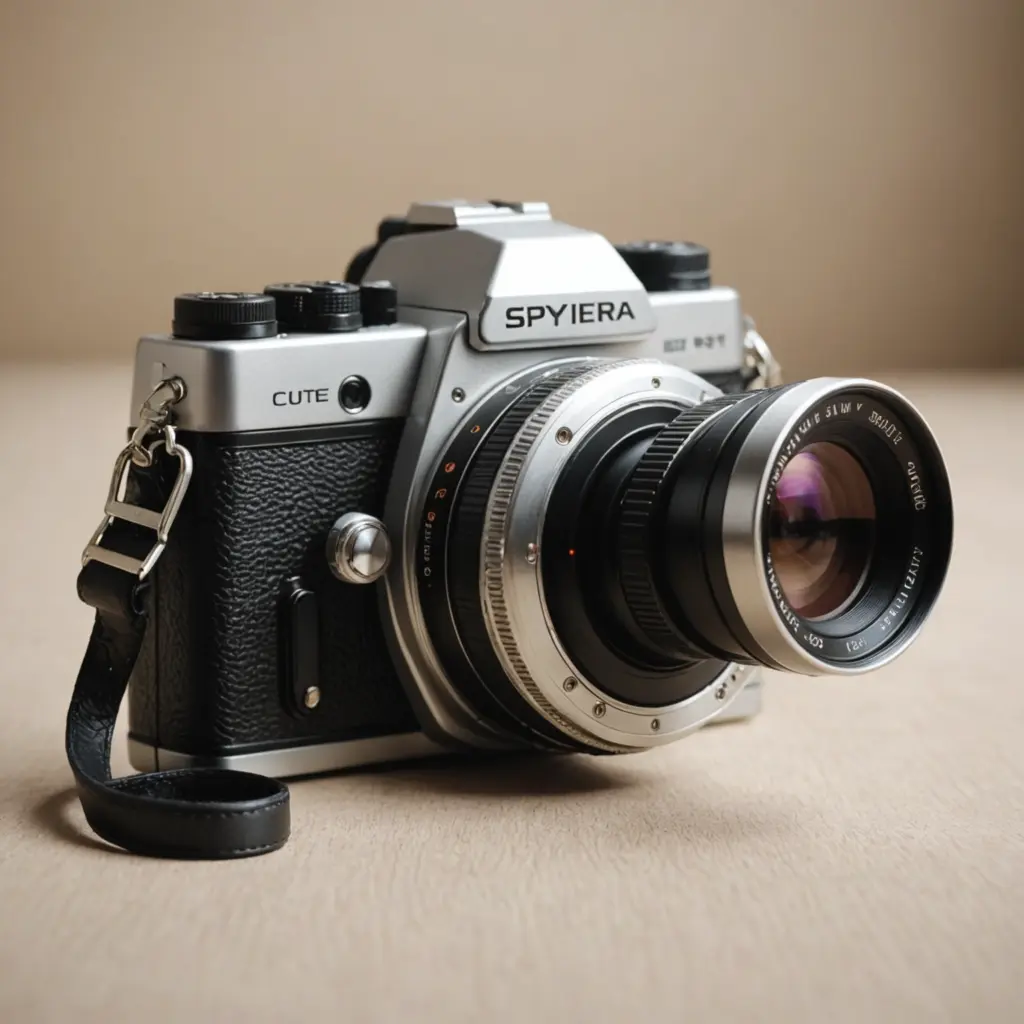

A cute film camera combines the charm of vintage photography with the convenience of modern digital imaging. Designed to resemble a classic film camera, miniature camera, or decorative retro accessory, it can fit naturally into a home, studio, office, or retail setting. Behind the nostalgic exterior, some models may offer features such as high-definition video, motion detection, wireless connectivity, local storage, and smartphone alerts. Explore how miniature film design inspires compact surveillance hardware and discreet feature integration in modern devices.
The appeal is not only visual. A camera with a softer, more decorative appearance can feel less disruptive than conventional security hardware. However, any recording device should be used transparently, lawfully, and with the knowledge of people who may be captured.
Why choose a cute film camera?
Traditional security cameras can look technical or out of place, particularly in rooms designed around vintage, minimalist, or playful décor. A cute film camera is intended to blend with its surroundings while remaining easy to position on a shelf, desk, bookcase, or display area.
Its retro styling can also make it suitable for people who want a camera that contributes to a room’s appearance rather than drawing attention to surveillance equipment. Depending on the design, a larger model can act as a visible decorative feature, while a smaller handheld film camera may be easier to move between locations.
Features to consider
The appearance of a cute film camera tells you little about its actual capabilities, so compare the specifications carefully. Useful features may include:
- Video resolution: Higher-resolution recording can make details easier to identify, although it may require more storage and battery power.
- Motion detection: Recording can begin when movement is detected, helping reduce unnecessary footage and simplify review.
- Low-light recording: Some models are designed to record in dim conditions, while others include infrared night vision.
- Storage options: Depending on the device, footage may be saved locally, uploaded to a cloud service, or accessed through a connected application.
- Wireless access: Wi-Fi and app integration may allow live viewing, event notifications, or remote settings management.
- Privacy and account security: Password protection, encryption, and the ability to change default credentials are important when a camera connects to a network.
- Battery and power: Portable models need sufficient battery capacity, while fixed installations may be better suited to continuous mains power.
Camera styles and possible placements
Decorative tabletop designs
A larger film-camera-style unit can work as part of a shelf, mantel, or vintage display. Its size may allow room for a wider viewing angle, a larger battery, or a more accessible control layout. Position it so the lens has a clear view without pointing into private areas.
Compact handheld models
A small handheld film camera is easier to reposition and may suit temporary documentation, travel, or situations where portability matters. Before carrying or using one in a shared environment, make sure recording is permitted and that the people involved understand what the device does. For more nostalgic gadget inspiration, compare cute film camera styling with discreet TV setups and their subtle design choices.
Digital cameras with a film-inspired appearance
Some devices focus on the look of analog photography while operating as digital cameras. A screen, when included, can make setup and local playback more convenient. It may also support settings such as timestamps, motion zones, or event review, depending on the model.
Setup and everyday use
Choose a stable position with a clear sightline and enough height to cover the intended area. Avoid placing the camera where bright windows, reflective surfaces, or frequent movement will create poor footage or unnecessary alerts. If the device supports motion detection, adjust its sensitivity after observing normal activity. Pets, heating systems, and moving curtains can otherwise trigger repeated notifications.
For longer use, balance image quality against battery life and storage capacity. Review recordings periodically, delete material that is no longer needed, and protect any remaining files from casual access. Change default passwords, use a strong unique password, and keep the device’s software updated when updates are available.
Privacy and responsible use
Camera laws vary by location, especially when audio is recorded or footage includes people outside your household. Bathrooms, changing areas, bedrooms used by others, and similar spaces carry heightened privacy concerns. In shared homes, workplaces, rental properties, and retail environments, inform occupants or visitors as required and obtain appropriate consent.
A cute film camera works best when its design supports the surrounding décor without being used to mislead people about recording. Select a model for its actual performance, secure it properly, and establish a clear retention policy for footage. Used with consent and sensible privacy safeguards, a retro-styled camera can provide practical monitoring while maintaining a warmer, less clinical appearance.