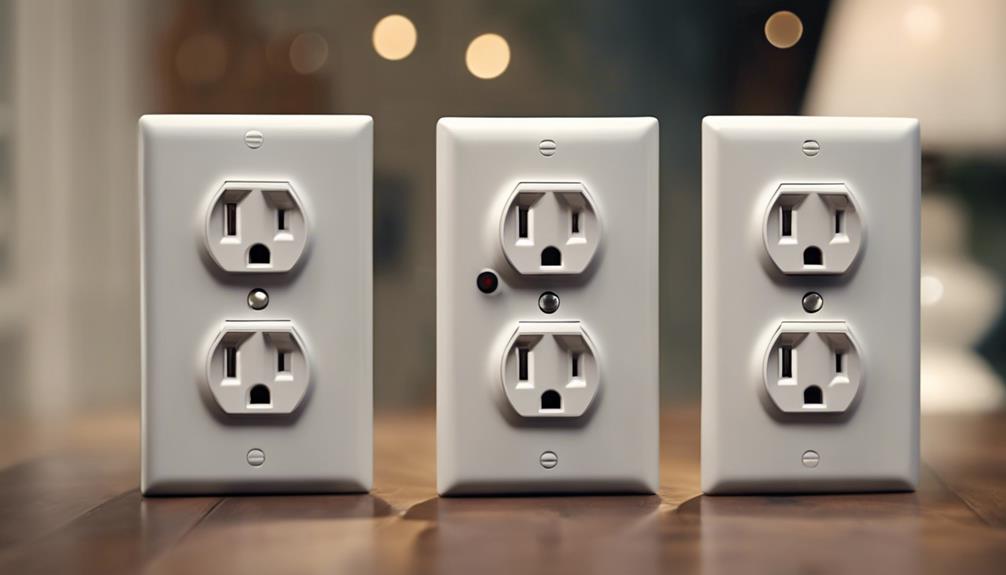

Electrical outlet spy cameras are designed to combine a familiar outlet-style appearance with the functions of a compact security camera. Their built-in power source can support continuous operation, while features such as high-definition video, night vision, motion alerts, and remote viewing may make it easier to monitor a room.
However, the best choice is not necessarily the camera with the longest feature list. Image placement, data security, installation safety, and privacy considerations all affect whether an outlet-style camera is suitable for your home. Use the following three areas as a practical guide when comparing models.
1. Discreet design and safe installation
An outlet camera is intended to blend into its surroundings rather than attract attention. A compact design can be useful in entryways, offices, or common areas where a conventional camera would be visually distracting. Before choosing one, check whether the device is designed to replace an existing outlet, attach over an outlet, or simply sit near a power socket. These installation methods are not interchangeable.
Electrical safety should come before appearance. Do not alter household wiring or install a device inside a live electrical box unless the product is specifically designed for that purpose and installation can be completed safely. If the camera requires changes to mains wiring, use a qualified electrician. A camera that plugs into an outlet is generally simpler to position, but it may still block a socket or create a poor fit with the wall plate.
Also consider the camera’s viewing angle and placement. A discreet device is only useful if it can clearly cover the intended area without pointing into spaces where people reasonably expect privacy, such as bathrooms or bedrooms.
2. Video quality and low-light performance
Resolution is an important starting point, but it is not the only measure of useful footage. A camera should produce a clear image at the distance you need to monitor, with enough detail to distinguish people, packages, or movement. Look for specifications that explain the viewing angle, rather than relying on resolution alone. A wide-angle lens can cover more of a room, while a narrower view may provide more detail in a specific area.
Night vision can help when the room is dim, but performance varies between devices. Infrared illumination may produce black-and-white footage and can reflect from nearby walls or glass. Test the intended location if possible, paying attention to glare, shadows, and areas outside the camera’s field of view.
Audio recording requires additional caution. Laws governing recorded conversations differ by location, and people in a monitored space may need to be informed or provide consent. If you do not need sound, choosing a camera with audio disabled—or leaving that feature turned off—can reduce privacy risks.
3. Remote monitoring, motion alerts, and privacy controls
Remote access allows you to view a live feed from a phone or computer when you are away. Motion detection can reduce the need to watch continuously by sending an alert when movement is detected. These features are most useful when they can be adjusted for sensitivity, activity zones, and recording schedules. Otherwise, pets, changing light, or passing traffic may create unnecessary notifications.
Review how the camera stores and protects footage. Important questions include:
- Is video saved locally, remotely, or both?
- Can recordings be deleted automatically after a chosen period?
- Does the system support a strong, unique account password?
- Are software updates available for the camera and its mobile application?
- Can remote viewing, audio, or recording be disabled when privacy is needed?
Change default login details immediately, use a secure home network, and limit account access to people who genuinely need it. A privacy shutter, recording indicator, scheduled operation, or simple power switch can provide an extra way to stop monitoring when occupants are home.
Choosing the right outlet-style camera
Start by defining the area you want to monitor and whether you need continuous recording, motion alerts, night vision, or remote viewing. Then compare the camera’s placement requirements, image coverage, storage method, privacy controls, and installation instructions. Avoid selecting a product solely because it is difficult to notice; responsible use means recording only in appropriate areas and following applicable consent and surveillance laws.
When installed safely and used transparently, an electrical outlet spy camera can provide a tidy monitoring option for a common area. The strongest choice balances dependable video with secure remote access, clear privacy controls, and an installation method that does not compromise the home’s electrical system.