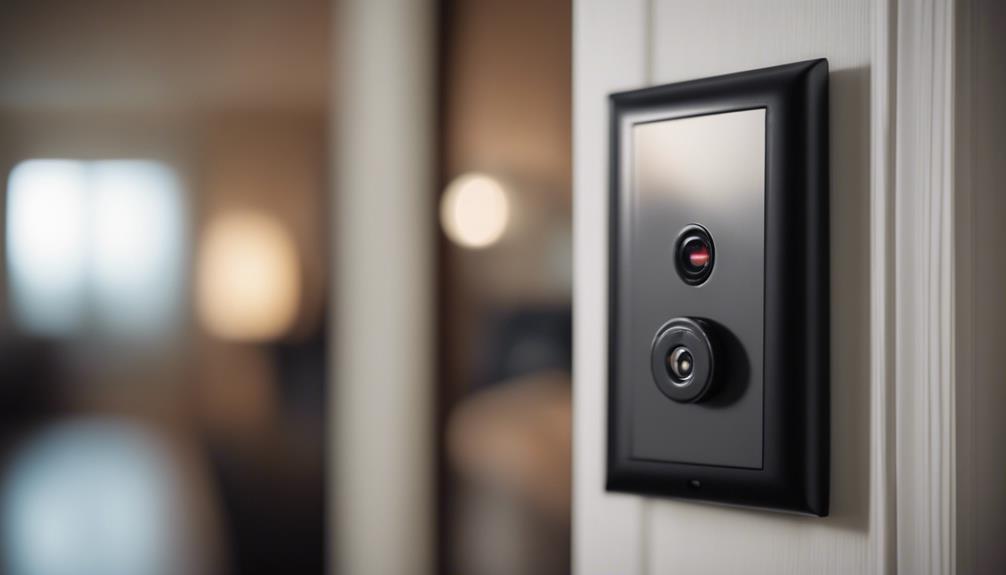

Light-switch cameras are designed to resemble ordinary wall switches while adding video surveillance to a room. Their familiar appearance can make them less visually distracting than a conventional camera, but discreet placement also creates important privacy and legal responsibilities. Before choosing one, confirm that recording is permitted where you live and inform people when consent is required. Avoid placing cameras in bedrooms, bathrooms, changing areas, or other locations where people reasonably expect privacy.
Why consider a light-switch camera?
A camera built into a switch-style housing may suit homeowners who want monitoring near an entryway, hallway, garage, or other access point without adding a prominent device to the wall. The most useful models combine a relatively unobtrusive design with practical recording controls, rather than relying on concealment alone.
Five features worth comparing
1. A discreet, suitable design
The housing should fit the wall plate and surrounding decor without obstructing the switch or appearing poorly installed. Check the dimensions, finish, camera position, and viewing angle before buying. A camera that is hidden behind furniture, aimed at a wall, or blocked by the switch itself will not provide useful coverage.
2. Clear video in changing light
Look for video quality that is appropriate for the area being monitored. An entryway may require enough detail to distinguish visitors, while a wider hallway may benefit more from broad coverage. If the space becomes dark at night, check whether the device supports low-light recording or infrared night vision. Night vision can improve visibility, but performance depends on distance, obstructions, and the amount of available light.
3. Motion-activated recording
Motion detection can reduce the amount of empty footage saved and make important events easier to find. Before selecting a camera, review how motion zones, sensitivity, event length, and cooldown periods are configured. Poorly adjusted detection may miss someone moving through the scene or create frequent alerts from pets, changing light, or passing traffic.
4. Local storage and remote access
Some cameras store recordings on removable media or another local device, while others offer access through a phone or computer. Local storage can reduce dependence on an online service; remote access can be useful when you need to check a property while away. Compare storage limits, subscription requirements, account security, and whether recordings can be exported in a usable format.
5. Safe installation and reliable controls
A switch-style camera may involve mains electrical wiring rather than a simple plug-in setup. Turn off power at the correct breaker and use a qualified electrician if the installation instructions or local rules require it. Do not treat a camera as a substitute for a properly functioning light switch, and confirm that the device is compatible with the existing box, wiring, and wall plate.
Placement and privacy checklist
- Choose a location that covers an entrance or valuable area without recording private spaces.
- Tell household members, staff, guests, or visitors about recording when required.
- Use a strong, unique account password and enable available security protections.
- Limit who can view or download recordings.
- Set a reasonable retention period and delete footage that is no longer needed.
- Keep the camera firmware and companion app updated when updates are provided.
Choosing the right setup
There is no single best light-switch camera for every home. Prioritise safe installation, an appropriate field of view, dependable recording, and privacy controls over the novelty of a concealed design. For many properties, a visible doorbell or conventional security camera may provide clearer notice and simpler compliance. A switch-style camera is most appropriate when it genuinely suits the room, the wiring, and the people who use the space.