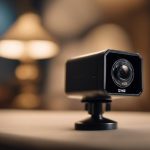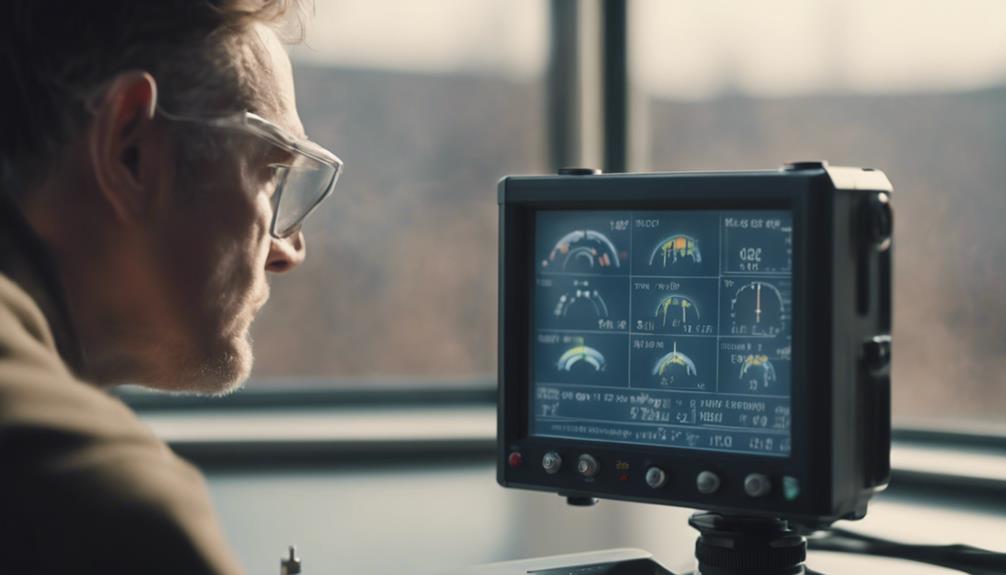

Exposed cameras are surveillance devices installed where people can readily see them. They may be mounted above entrances, inside retail spaces, near driveways, or in other visible positions. Unlike covert cameras, their purpose is not only to record events but also to make surveillance apparent.
That visibility can support a broader security strategy. A clearly noticeable camera may discourage theft, vandalism, trespassing, or other unwanted activity, while recorded footage can help clarify what happened after an incident. Visible equipment also makes it easier to explain the purpose of monitoring to employees, visitors, residents, and customers.
Exposed cameras versus hidden cameras
The main difference between exposed and hidden cameras is transparency. An exposed camera is deliberately placed in an observable location. A hidden camera is designed to avoid detection and may be used when notifying people about recording would interfere with a specific, authorized investigation.
Visible cameras are often the more practical choice for routine security because they are easier to inspect, maintain, and explain. They can also reduce concerns about secret monitoring, although their use still needs to respect privacy laws and reasonable expectations of privacy. Covert recording presents additional legal and ethical risks and should not be treated as a casual alternative to visible surveillance.
Where visible surveillance can be useful
Exposed cameras can be suitable wherever deterrence, incident review, and clear communication are important. Common applications include:
- Retail locations: Cameras can cover entrances, sales areas, and checkout points to discourage theft and document incidents.
- Offices and commercial buildings: Visible equipment may monitor entrances, shared spaces, loading areas, and car parks while helping review accidents or disputes.
- Residential properties: Cameras near front doors, driveways, and other access points can help homeowners observe deliveries and unusual activity.
- Public-facing areas: Parks, transit facilities, and pedestrian zones may use visible surveillance as part of wider safety and incident-response measures.
Camera placement should match the actual security objective. A device intended to monitor deliveries needs a different view from one intended to observe a vehicle gate or a building entrance. Recording every possible area is not necessarily better than covering the locations where incidents are most likely to occur.
How to improve the security camera view
Good placement is central to useful footage. A camera should provide a clear view of faces, entrances, and relevant activity without being blocked by walls, signs, trees, vehicles, or other obstructions. Mounting a camera slightly above eye level and angling it downward can often provide a more useful perspective than placing it too high or pointing it straight across a space.
Lighting also affects image quality. Direct sunlight, bright windows, and strong lamps can create glare or leave important subjects in shadow. Where possible, position cameras so that they are not aimed directly at intense light sources. Features such as wide dynamic range and infrared capability may help cameras handle contrasting light and low-light conditions, but they do not replace careful positioning.
Resolution, lens angle, and frame rate should be considered together. A wide-angle view can cover more ground but may show less detail at a distance. Higher resolution can assist with identification, while an adequate frame rate helps capture movement smoothly. Test the view during both daylight and nighttime conditions before treating the installation as complete.
Recording, alerts, and monitoring
Visible cameras can be connected to a network video recorder or a cloud-based storage service, depending on the needs of the property and the chosen system. Recorded footage should be easy to retrieve, especially when reviewing a particular time or location.
Motion detection, mobile notifications, and video analytics can help draw attention to relevant events instead of requiring someone to watch every recording continuously. Some systems can also be linked with access-control equipment so that camera footage can be reviewed alongside door-entry events. These features are useful only when they are configured carefully; excessive alerts or unnecessary recording can make a system harder to manage.
Privacy, legal, and ethical responsibilities
Visible placement does not automatically make surveillance lawful. Requirements vary by jurisdiction and by setting, so anyone installing cameras should check the rules that apply to the property. Areas such as bathrooms, locker rooms, and other places where people reasonably expect privacy require particular caution and may prohibit recording altogether.
In appropriate locations, signage can help inform people that video monitoring is taking place. Organisations should also establish clear policies covering the purpose of recording, who may view footage, how it is protected, how long it is retained, and when it is deleted. Cameras should be aimed at the property and activity that need protection rather than unnecessarily recording neighbouring homes or private spaces.
Choosing a visible-camera strategy
Exposed cameras are generally well suited to deterrence, routine monitoring, and transparent security practices. They are easier to maintain and communicate than covert devices, and they can provide useful evidence when an incident occurs. The strongest results come from defining the security goal first, choosing locations carefully, testing image quality, and applying privacy safeguards from the beginning.