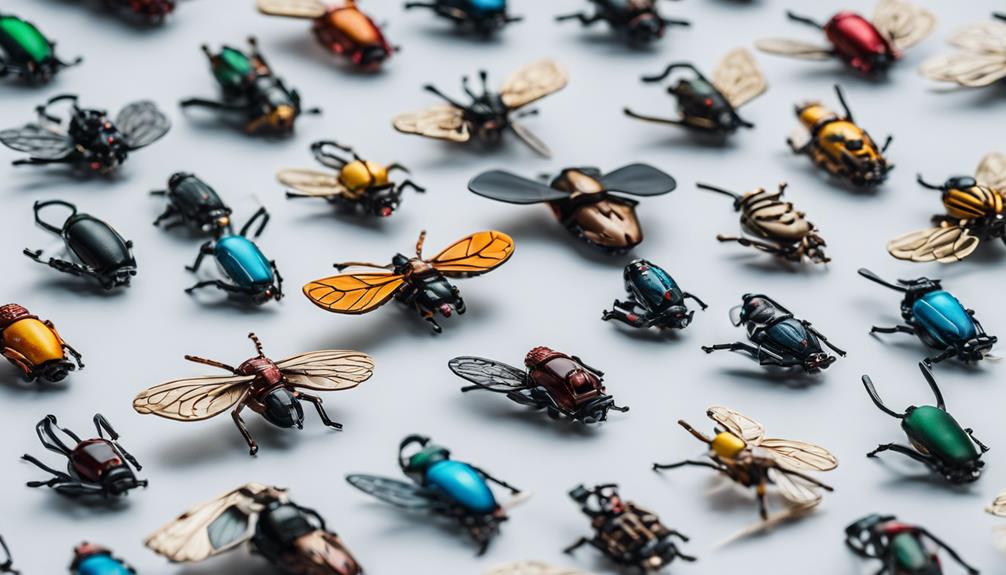

Flying-insect camera concepts occupy an unusual space between miniature drone design, biomimicry and discreet aerial observation. Inspired by dragonflies, bees, mosquitoes, beetles, butterflies and other insects, these devices are imagined as compact alternatives to conventional drones in places where a larger aircraft would be impractical.
The names below come from the supplied product roundup. Because specifications, availability and seller information are not provided, treat this list as an overview of the described concepts rather than a verified shopping guide. Before purchasing or operating any camera drone, check local rules and respect privacy, property and consent.
10 flying-insect camera concepts
1. Dragonfly Drone
The Dragonfly Drone is described as a small aircraft modeled on the agile flight of a dragonfly. Its proposed strengths include hovering, rapid directional changes and stable movement through varied environments. The concept combines a compact body with a high-definition camera, making it suited to users interested in maneuverability and a natural-looking form.
2. RoboBee Cam
RoboBee Cam draws on the hovering and darting movements associated with bees and other small flying insects. Its miniature design is presented as useful for confined areas, while a camera and stabilization system are intended to support clearer footage during flight. The main appeal is the combination of small scale, controlled movement and an insect-inspired appearance.
3. Mosquito Spy
The Mosquito Spy concept focuses on unobtrusive observation. Its small size and precise navigation are described as advantages for reaching difficult areas indoors or outdoors. Rather than emphasizing speed or range, this design is positioned around discretion and the ability to move through spaces with minimal visual presence.
4. BeetleBot
BeetleBot is presented as a compact drone influenced by beetle flight mechanics. The concept emphasizes agility in tight spaces, along with sensors and cameras for observation. Its appeal lies in its proposed ability to operate in complex environments where a conventional drone could be cumbersome.
5. Wasp Watcher
Wasp Watcher takes inspiration from the quick, controlled movements of wasps. The described design combines flight stability with high-definition imaging and real-time monitoring. It is aimed at situations where an operator needs a responsive camera platform capable of navigating around obstacles while maintaining a steady view.
6. FlyCam X
FlyCam X is described as a compact aerial camera designed for maneuverability. Its listed capabilities include high-resolution imaging, real-time video transmission and movement through narrow indoor spaces. Compared with larger drones, its proposed advantage is easier deployment in locations where size, access or visibility is a concern.
7. Butterfly Scout
Butterfly Scout is built around the idea of blending into natural surroundings. The concept highlights perching, controlled movement and strategic aerial observation. It is also described as using onboard sensing and communication features to adapt to changing surroundings and transmit information to an operator.
8. Hoverfly Vision
Hoverfly Vision centers on visual awareness and navigation. Inspired by the broad field of view associated with compound eyes, the concept is intended to detect movement and environmental changes while flying through cluttered spaces. Its design is particularly relevant to readers interested in insect-inspired sensing rather than camouflage alone.
9. Moth Monitor
Moth Monitor is presented as a nighttime observation system for tracking moth activity without unnecessarily disturbing it. The concept combines low-visibility operation with cameras and sensors for recording flight patterns, behavior and interactions with the surrounding environment. This makes it more closely associated with ecological observation and research than general-purpose security.
10. Hornet Eye
Hornet Eye uses the idea of insect-like vision to support detailed aerial observation. The described system includes optics and sensors intended to record hornet behavior and movement in natural settings. Its proposed use is especially relevant to researchers and wildlife observers who need a closer view while minimizing interference.
What to consider before buying
Insect-inspired designs sound impressive, but a buyer should look beyond the appearance. Compare the camera resolution, video transmission method, flight time, charging requirements, control range, stabilization and ability to operate indoors. A small body may improve access, but it can also limit battery capacity, payload and resistance to wind.
It is equally important to verify that a product is genuinely available, that replacement parts and support exist, and that the seller provides clear technical specifications. Never assume that a fictional-sounding product name represents a commercially established model.
Final perspective
These ten concepts illustrate how biomimicry can influence miniature aerial camera design. Dragonfly-style agility, butterfly-like concealment, hoverfly-inspired vision and moth-oriented nighttime monitoring each suggest a different design priority. For real-world use, however, dependable specifications, lawful operation and responsible recording matter more than an insect-shaped exterior.