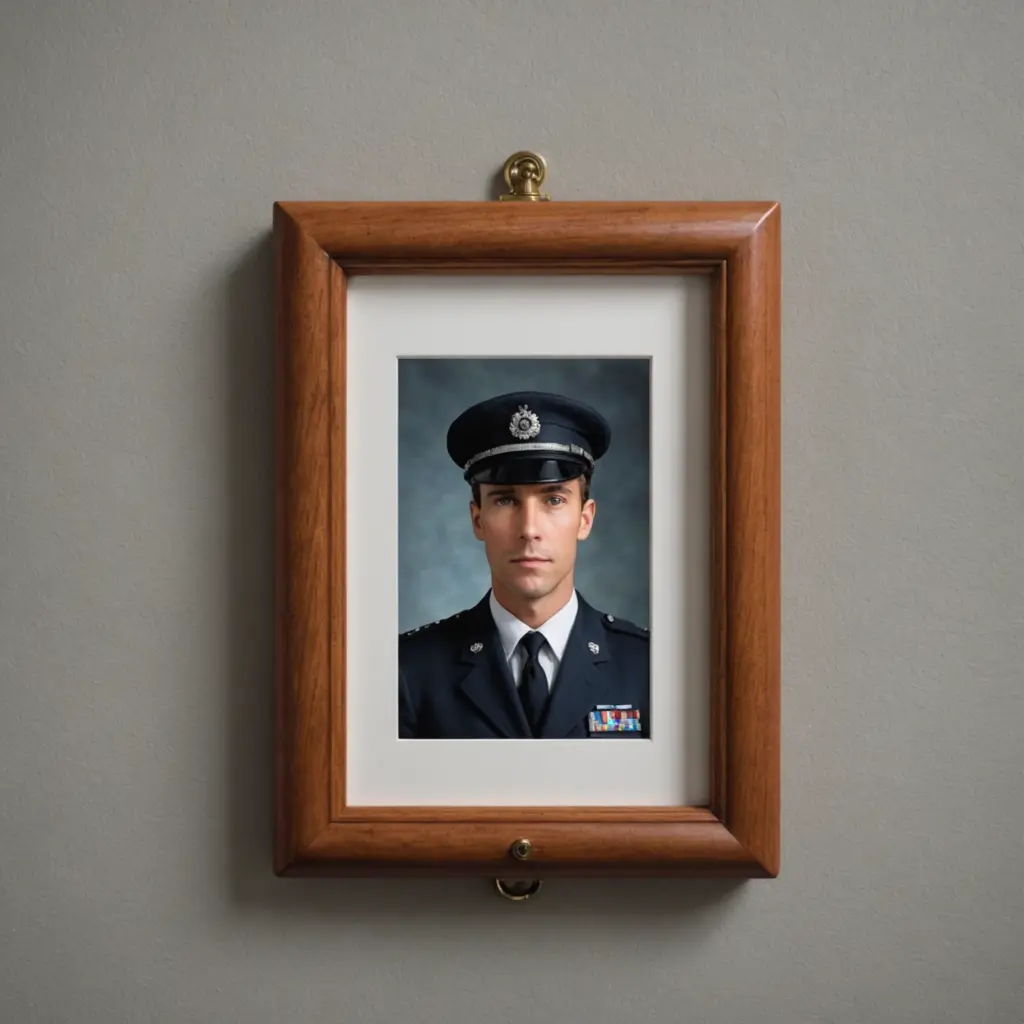

A spy camera disguised as a photo frame is designed to resemble ordinary home or office décor while recording video from a fixed position. The concept combines a familiar object with a small camera, allowing the device to fit into an environment without the visual presence of a conventional security camera.
These products may appeal to people looking for a less intrusive-looking way to monitor a room, entryway, workspace or property. However, discreet appearance does not remove the need for responsible use. Anyone considering a photo-frame camera should understand its features, limitations and the privacy rules that apply before installing or operating it.
How photo-frame spy cameras work
A photo-frame camera typically places a small lens within the frame, behind the displayed image or in another part of the structure. The frame may look like a standard decorative item, while the camera records the area in front of it.
Depending on the model, recording may be saved to internal or removable storage, or transmitted over a wireless network. Some devices also support remote viewing through a phone or computer. Other commonly advertised functions include motion detection, scheduled recording, low-light recording and alerts when movement is detected.
Features vary considerably, so it is important to check the product specifications rather than assume that every model includes live viewing, sound recording, night vision or continuous operation.
Potential uses in a property
When used lawfully and with appropriate notice or consent, a photo-frame camera can form part of a broader security arrangement. Possible uses include:
- Monitoring an entrance, hallway or other access point on property you control.
- Checking a room or property while you are away.
- Observing pets or general household activity without placing a large camera in the room.
- Documenting activity in a business area where surveillance has been properly disclosed.
- Adding a supplementary view to an existing, clearly identified security system.
A concealed-looking device should not be treated as a replacement for proper locks, lighting, access controls or visible security cameras. Its fixed position can also create blind spots, and the frame may be moved, obstructed or disconnected without the owner immediately noticing.
Planning the installation
Start by defining the legitimate purpose of the camera and the area that genuinely needs to be monitored. Position the frame so that it has a clear view without pointing into private spaces. Avoid locations such as bathrooms, changing areas, bedrooms used by guests or other places where people reasonably expect privacy.
A wireless model may simplify installation, but it still requires a reliable network connection and a suitable power source. Review the device’s access settings, change any default password and restrict viewing privileges to people who need them. If recordings are stored online or on a memory card, protect them from unauthorised access and delete material that is no longer needed.
Before relying on the camera, test its viewing angle, motion detection, recording duration, timestamp and alert behaviour. Check the frame regularly to make sure it has not been repositioned and that the lens is not blocked by the photograph or surrounding objects.
Privacy, consent and legal responsibility
Hidden surveillance can create serious privacy concerns. Laws differ by location, and rules may cover video recording, audio recording, employee monitoring, visitors, tenants and the sharing or storage of footage. Audio can be subject to stricter requirements than video, so a camera with a microphone should not be used casually.
Before installation, determine whether consent, signage or a workplace policy is required. Be especially careful when recording people who do not own or control the property. Surveillance should have a specific, defensible purpose and should collect no more information than necessary.
Do not use a photo-frame camera to stalk, harass, secretly observe intimate activity or monitor someone in a private space. If footage captures an incident, store it securely, limit access and follow applicable rules when sharing it with authorities, insurers or other parties.
Choosing a responsible setup
The most suitable device is not necessarily the smallest or least noticeable. Look for clear information about storage, security updates, account protection, recording controls and whether audio can be disabled. A visible camera may be more appropriate when transparency is important, while a discreet design should only be considered where its use is lawful, proportionate and properly communicated.
Used carefully, a photo-frame camera can provide an additional monitoring option without dominating a room’s appearance. Its value depends less on concealment than on sensible placement, secure operation, respect for privacy and compliance with the laws and policies that govern surveillance.