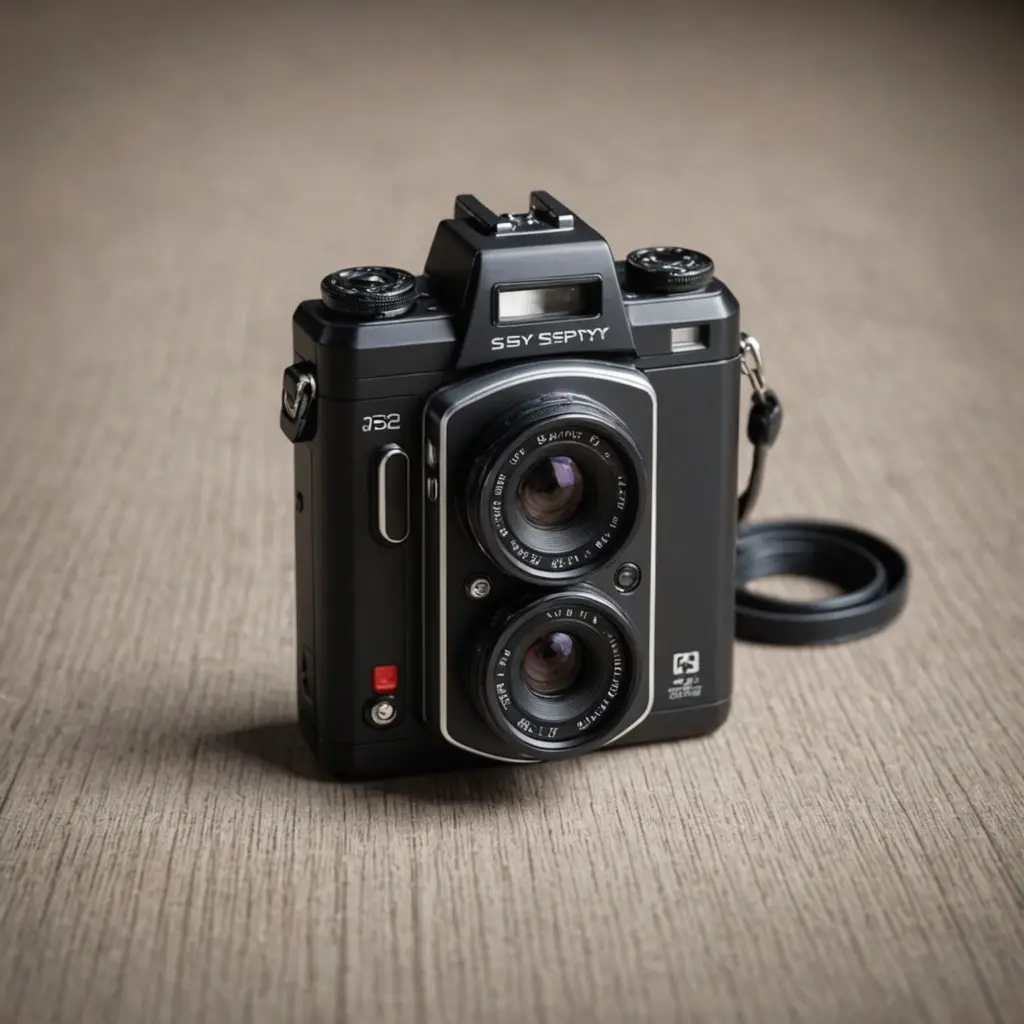

A hidden body camera is a compact wearable recorder designed to capture video, and often audio, without attracting much attention. These devices may be used for personal documentation, workplace safety, security duties, or hands-free activity recording. Their small size can be useful, but it also creates important trade-offs involving battery life, sound quality, storage, reliability, and privacy. Understanding hidden body camera design helps evaluate covert recording tech used in modern compact surveillance devices.
How a hidden body camera works
Most concealed body cameras combine a small image sensor, miniature lens, internal or removable storage, a rechargeable battery, and a control for starting and stopping recordings. Depending on the model, the camera may clip to clothing, attach to an accessory, or be built into an everyday-looking object.
Common functions include continuous recording, loop recording, motion detection, low-light or infrared recording, and date-and-time stamps. Some models transfer files over Wi-Fi or Bluetooth, while others keep recordings on internal memory or a removable card. Wireless features can make file access more convenient, but they may also add setup requirements, battery drain, or subscription costs.
Features worth comparing
The right specifications depend on how and where the camera will be used. A high-resolution specification alone does not guarantee useful footage; lens quality, lighting, stabilization, audio, and dependable operation matter just as much.
- Video quality: Compare resolution, frame rate, field of view, and performance in low light. A wide lens captures more of a scene, but may make people and objects appear smaller.
- Audio: If sound is important, check microphone placement and whether the device records clear speech in the environments where it will be used. Wind and background noise can significantly affect results.
- Battery life: Look for tested recording time rather than relying only on the battery’s stated capacity. Small cameras generally have less room for a large battery.
- Storage: Confirm the supported storage capacity, file format, recording limits, and how easily files can be copied. Loop recording can overwrite older footage when storage is full.
- Controls and indicators: Simple physical controls can be more dependable than an app. Check whether recording status is clear and whether the device can be operated without removing it.
- Durability: For regular outdoor or professional use, consider the clip, housing, charging port, and resistance to dust, splashes, or accidental drops.
- Connectivity: If wireless transfer or live viewing is offered, review how it works, what network it requires, and whether recordings pass through a cloud service.
Potential uses
A wearable camera can provide a first-person record of an interaction, task, or journey. Individuals may use one to document incidents or capture hands-free footage during outdoor activities. Security staff and other professionals may use body-worn recording equipment as part of an established workplace procedure. In homes and care settings, recording should only be considered where everyone’s privacy, consent, and applicable rules have been properly addressed.
For safety and deterrence, a visible body camera may be more appropriate than a concealed one. A visible device can make recording expectations clearer and may discourage unwanted behavior. A hidden design should not be treated as a way to bypass consent requirements or record people in situations where they reasonably expect privacy. For broader coverage, compare discreet add-on options that complement a hidden body camera setup.
How to choose and buy one
Start with the situation you need to document, then rank the features that directly support it. Someone recording short personal activities may prioritize size, simple controls, and quick file transfer. A person working long shifts may need replaceable storage, dependable charging, stronger mounting hardware, and a larger battery.
When comparing body cameras for sale, use sellers that provide complete specifications, warranty details, return policies, and practical support. Be cautious of listings that promise exceptionally long recording times or very high resolution without explaining battery capacity, storage requirements, or testing conditions. Read reviews for information about overheating, file corruption, weak clips, poor microphones, and unreliable companion apps.
Legal and ethical responsibilities
Recording rules vary by location and may treat video and audio differently. Audio laws can depend on whether one or all participants must consent, while privacy expectations may change between public, workplace, domestic, and private environments. Before using a hidden body camera, check the laws that apply where the recording is made and where it may later be shared.
Do not use a concealed camera in highly private places such as bathrooms, changing areas, or bedrooms without a clear lawful basis and informed consent. Consider whether recording children, employees, customers, patients, or visitors requires additional permission or notice. If footage is collected, protect it with strong device access controls, limit sharing, and delete it when it is no longer needed.
Final buying checklist
- Define the recording purpose and whether a visible camera would be safer and more appropriate.
- Confirm real-world battery life, storage capacity, and charging arrangements.
- Test video and audio quality in the lighting and noise conditions you expect.
- Review wireless, cloud, and app-related privacy implications.
- Check local recording, workplace, and privacy requirements before use.
- Buy from a seller that offers clear specifications, support, and a usable warranty.
A hidden body camera can be a practical documentation tool when its limitations are understood and its use is lawful and considerate. Choosing dependable hardware is only part of the decision; responsible recording, secure handling of footage, and respect for other people’s privacy are equally important.