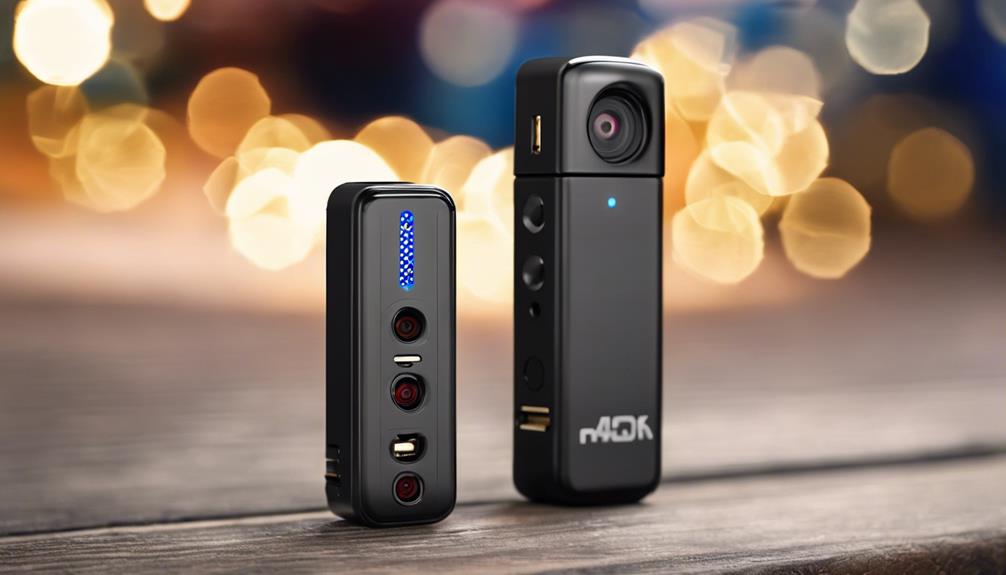

A discreetly placed Ring camera can help monitor an entrance, garage, porch, hallway, or other property area without dominating the appearance of the space. The goal should be reliable security coverage—not recording people where they reasonably expect privacy. Careful placement, suitable protection, and regular testing are essential if a concealed camera is to remain useful.
Start with the purpose and viewing area
Before choosing a hiding spot, decide what you need to monitor. An entry door may require a clear view of approaching visitors, while a side gate or garage may benefit from coverage of a narrower pathway. Avoid placing the camera simply because a location is visually convenient. A concealed position that points at the wrong angle, has poor lighting, or loses its wireless connection will not provide dependable footage.
Draw an imaginary line from the camera to the area of interest and check for obstructions. Shelves, foliage, glass, decorative objects, and enclosure walls can reduce image quality or interfere with motion detection. Test the proposed position in daylight and at night before permanently mounting the device.
Indoor placement ideas
For indoor monitoring, discreet placement may involve positioning the camera near an entryway, at the top of a bookshelf, inside a storage area with an unobstructed opening, or within a decorative enclosure. The camera should blend into its surroundings without being sealed in a way that blocks the lens, microphone, motion sensors, or ventilation.
Power and connectivity should be considered at the same time as concealment. A wired model needs a safe route to an outlet, while a battery-powered model requires access for inspection and charging. Confirm that the camera receives a dependable Wi-Fi signal from its final position. A hidden device that cannot maintain its connection can create a false sense of security.
Outdoor concealment and weather protection
Outdoor placement requires a balance between discretion and exposure to the elements. Suitable locations may include an area beneath an eave, a protected position near a porch, or an outdoor enclosure designed to accommodate the camera. Landscaping can reduce visibility, but branches and leaves should not cover the lens or move constantly in front of the motion sensor.
Do not assume that any decorative box, birdhouse-style structure, or homemade cover is weatherproof. The enclosure must protect the device from rain and debris while leaving the camera’s field of view clear. It should also avoid trapping excessive heat, reflecting light into the lens, or obstructing infrared illumination. Secure the camera and any cabling so that ordinary movement, wind, or attempted tampering does not change its angle.
Privacy, consent, and local rules
Covert or discreet monitoring can create serious privacy concerns. Before installing a hidden Ring camera, check the laws and rules that apply to your location and property. Do not aim cameras into bathrooms, bedrooms, changing areas, or other places where people have a reasonable expectation of privacy. Be especially careful with views through windows, shared entrances, neighboring property, and communal areas.
If other household members, tenants, employees, contractors, or visitors may be recorded, determine whether notice or consent is required. Building policies and rental agreements may impose additional restrictions. When the legal position is unclear, obtain qualified local advice rather than relying on a general online guideline. A narrower camera angle, privacy feature, or visible notice may reduce unnecessary recording while still protecting the intended area.
Use covers and hiders without reducing performance
A cover or camera hider should make the device less conspicuous without changing what it can see. Avoid dark openings, reflective materials, tinted surfaces, or decorative elements that appear in the image. The lens should have a clean, unobstructed view, and the microphone and motion sensors should remain functional.
Inspect any enclosure regularly for condensation, dust, insects, leaves, and water damage. Cleaning the lens with an appropriate soft cloth can help preserve image quality. If the camera is installed outdoors, check after severe weather to make sure its position and protection have not changed.
Configure and maintain the camera
- Set the viewing angle to cover the relevant doorway, path, or room rather than broad areas that create unnecessary alerts.
- Use motion zones and sensitivity settings to reduce activity from traffic, trees, or other recurring movement.
- Check night-time footage for glare, deep shadows, and lighting that makes faces difficult to identify.
- Confirm that the device remains connected and that alerts and recording settings work as expected.
- For battery-powered models, establish a routine for checking charge levels and access to the camera.
- Review the camera’s settings periodically and install available device updates through the Ring app.
Discreet does not mean neglected
The most effective hidden Ring camera is one that is carefully positioned, legally used, and easy enough to inspect and maintain. Prioritize a clear view, stable power, reliable connectivity, and protection from weather or tampering. Most importantly, limit surveillance to areas that genuinely require security coverage. Used with restraint, a discreet camera can support property protection without turning everyday spaces into unnecessarily intrusive monitoring zones.