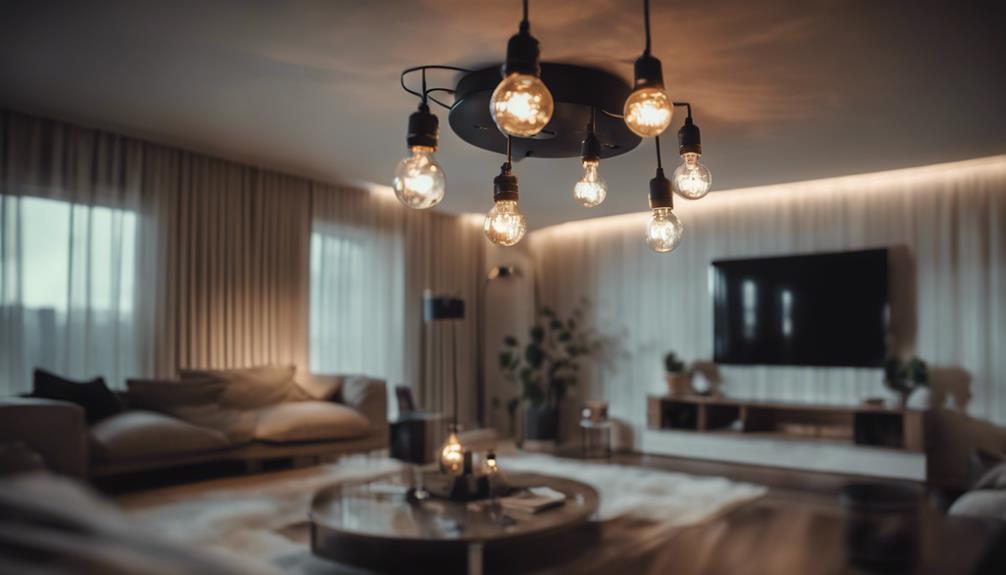

Light bulb cameras are designed to combine ordinary illumination with video monitoring in a single fixture. Their ceiling-mounted position can provide a broad view of a room while avoiding the clutter associated with a standalone security camera. However, the fact that a camera is disguised as a household object creates important privacy and legal responsibilities.
This guide explains the features commonly associated with hidden spy camera light bulbs, what to check before buying, and how to use this type of device responsibly. Product specifications vary, so review the manufacturer’s documentation rather than assuming that every model includes the same capabilities.
What Is a Spy Camera Light Bulb?
A spy camera light bulb is a camera built into, or attached to, a bulb-shaped housing that fits into a compatible light socket. Depending on the design, it may connect to a home network, store video locally, or provide access through a mobile application.
The bulb format can be convenient for monitoring an entrance, garage, hallway, or another permitted area. Its elevated position may also reduce obstructions in the camera’s field of view. Before installation, check the socket type, power requirements, physical dimensions, and whether the fixture allows the camera lens to see the intended area.
Features to Compare
Video quality and viewing angle
Look for clear video, a viewing angle suited to the room, and settings that let you adjust image quality when available. A wide-angle lens can cover more of a space, but it may also introduce distortion around the edges. Consider the camera’s height and position rather than relying on the advertised viewing angle alone.
Low-light or night vision
Some models use infrared illumination to record when the room is dark. Night-vision performance depends on the distance to the subject, the amount of ambient light, and the camera’s sensor. If nighttime monitoring matters, check whether night vision is automatic, whether infrared illumination is visible, and how the device handles the transition between light and darkness.
Motion detection and notifications
Motion detection can reduce the amount of footage you need to review and may send an alert when activity is detected. Useful controls can include adjustable sensitivity, activity zones, and notification schedules. False alerts may occur when the camera detects pets, changing light, moving curtains, or other background activity.
Remote access and storage
Network-connected models may allow you to view a live feed or recorded clips through an app. Check how recordings are stored: options may include a memory card, local network storage, or a cloud service. Storage capacity, subscription requirements, retention periods, and export options can differ significantly between products.
Security and account protection
A connected camera can expose sensitive footage if its account or network is poorly secured. Use a unique password, enable multi-factor authentication when available, keep the device firmware updated, and secure your home router. Review app permissions and privacy settings, and avoid placing the camera where highly sensitive conversations or activities could be captured unnecessarily.
Installation and Setup Checklist
- Turn off power before replacing or installing the bulb.
- Confirm that the socket and fixture are compatible with the device.
- Position the lens so it covers only the area you are permitted to monitor.
- Follow the manufacturer’s instructions for Wi-Fi pairing and account setup.
- Change any default login credentials immediately.
- Test live viewing, recording, motion alerts, and night vision before relying on the camera.
- Check whether recordings include audio and disable audio if it is not necessary.
Privacy and Legal Considerations
Covert recording can be unlawful or unethical when people are filmed without appropriate notice or consent. Rules vary by location and may treat video recording, audio recording, workplaces, rental properties, shared homes, and public areas differently. Audio is often subject to additional restrictions.
Do not use a hidden camera to monitor private spaces such as bathrooms, bedrooms, changing areas, or similar locations. If other adults, employees, tenants, guests, or service providers may be recorded, provide clear notice and obtain consent where required. For workplace or rental use, seek specific legal guidance before installing any surveillance equipment.
When a Visible Camera May Be Better
A visible security camera is often the more appropriate choice for deterrence, transparent monitoring, and shared spaces. It makes the purpose of the device clear and can help avoid disputes about secret recording. A conventional camera may also provide better placement flexibility, clearer status indicators, and easier access to manufacturer support.
Final Buying Advice
The best light bulb camera is not necessarily the one with the longest feature list. Prioritize reliable installation, suitable image coverage, secure remote access, practical storage, and privacy controls. Most importantly, use the device only for legitimate monitoring in areas where recording is lawful and people have been properly informed. Discreet design should never be treated as permission to record someone secretly.