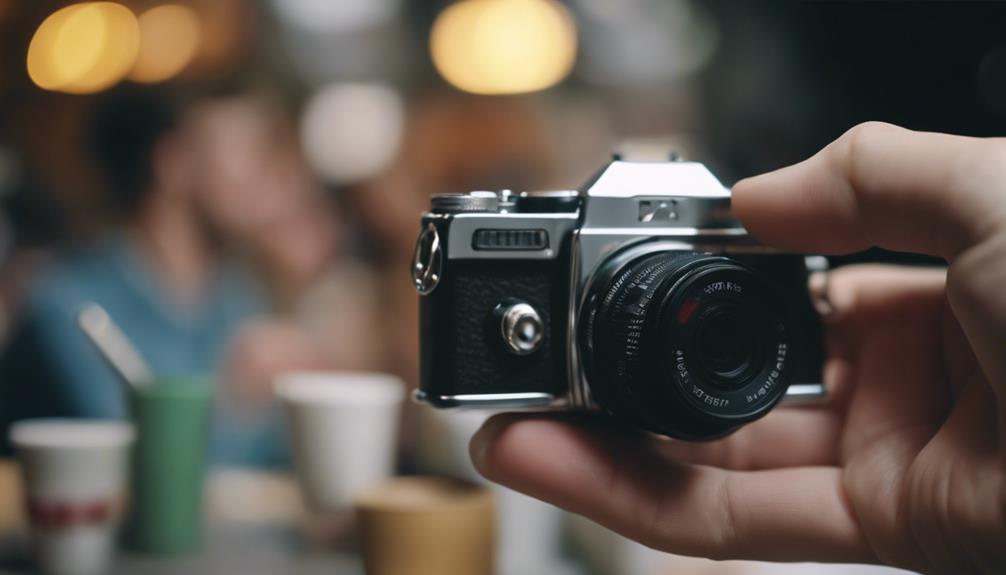

Keychain cameras appeal to people who want a small recording device that is easy to carry and simple to operate. Their compact form can be useful for documenting situations when carrying a conventional camera would be inconvenient, but discreet recording should always be approached responsibly. Before using one, check applicable privacy and recording laws and obtain consent whenever it is required.
What Makes a Keychain Camera Useful?
The main advantage of a keychain camera is portability. Its small size allows it to be carried in a pocket, bag, or on a key ring, so it can be available when a larger device is impractical. This can be helpful for documenting personal notes, recording an interaction with permission, or creating a visual record of an event without bringing bulky equipment.
A compact design may also be less distracting than a traditional camera. However, discreet appearance should not be treated as permission to record people secretly. The device should be used in a way that respects personal privacy and the expectations of everyone involved.
Recording Quality and Practical Limitations
Many keychain cameras are designed to capture both video and audio, but performance varies considerably between models. Before choosing one, review the stated specifications and consider the conditions in which it will be used. Important factors may include:
- Video clarity: Look for recording quality appropriate to the intended purpose, especially if details need to be reviewed later.
- Audio performance: A small microphone may capture nearby speech or ambient sound, but distance and background noise can affect intelligibility.
- Low-light performance: A camera that works well in daylight may produce less useful footage in dim surroundings. Do not assume that every model offers effective night recording.
- Battery and storage: Check recording time, charging requirements, and how files are saved before relying on the device.
- Ease of file transfer: Straightforward access to recordings can make reviewing and storing footage more convenient.
Small cameras also have limitations. Their discreet size may mean smaller controls, shorter battery life, a narrower viewing angle, or reduced performance compared with full-size equipment. Testing the camera in advance is a sensible way to confirm that it meets your needs.
Simple Controls Can Make a Difference
A keychain camera is most useful when its controls are clear and dependable. One-touch recording, a visible status indicator, and uncomplicated file management can reduce mistakes. Some devices may include features such as motion detection, remote access, or low-light assistance, but these options are not universal and should be evaluated rather than assumed.
Read the instructions before use and make a short test recording. Confirm that the date, sound, image framing, and storage process work as expected. This is particularly important when the recording may be needed for documentation or security purposes.
Appropriate Uses
When used lawfully and transparently, a compact camera may suit several practical situations. Examples include documenting property condition, recording a presentation with the participants’ agreement, creating a personal travel record, or keeping visual notes during an approved inspection. Its portability can also make it useful for people who prefer a lightweight backup camera.
It is not appropriate to use a hidden camera to invade someone’s private space, record private conversations without the required permission, monitor another person without lawful authority, or bypass workplace, school, or venue rules. Recording laws can differ by location, particularly for audio, so local requirements should be checked before use.
How to Choose Responsibly
Choose a model based on legitimate recording needs rather than concealment alone. Consider image and sound quality, battery capacity, storage, durability, controls, and how securely recordings can be handled. Keep the device and its files protected, avoid sharing footage unnecessarily, and delete recordings that are no longer needed.
Final Considerations
A keychain camera can be a convenient, lightweight recording tool when its capabilities match the situation. Its greatest strengths are portability, unobtrusive design, and straightforward operation, while its main concerns are variable performance and privacy obligations. Used with consent where required and with respect for applicable laws, it can support practical documentation without the inconvenience of carrying a larger camera.