
A mini video camera can make high-quality recording possible in places where a full-size camera would be inconvenient. These compact devices range from small 4K action cameras to clip-on wearable recorders and discreet monitoring cameras. The best choice depends on how you plan to use it: capturing sports, documenting a journey, recording personal interactions, observing wildlife, or setting up a stationary camera in a confined space.
What is a mini video camera?
There is no single size or specification that defines a mini video camera. The term generally describes a small, portable video device designed to be carried, worn, or mounted with minimal equipment. Some models prioritise image quality and are built as miniature action cameras, while others focus on low weight, simple controls, long recording sessions, or discreet placement.
Common formats include:
- Mini action cameras: Designed for helmets, handlebars, boards, and other moving mounts.
- Wearable or clip-on cameras: Attached to clothing, a strap, or a bag for hands-free recording.
- Compact body cameras: Intended for personal documentation or professional recording where a larger camera is impractical.
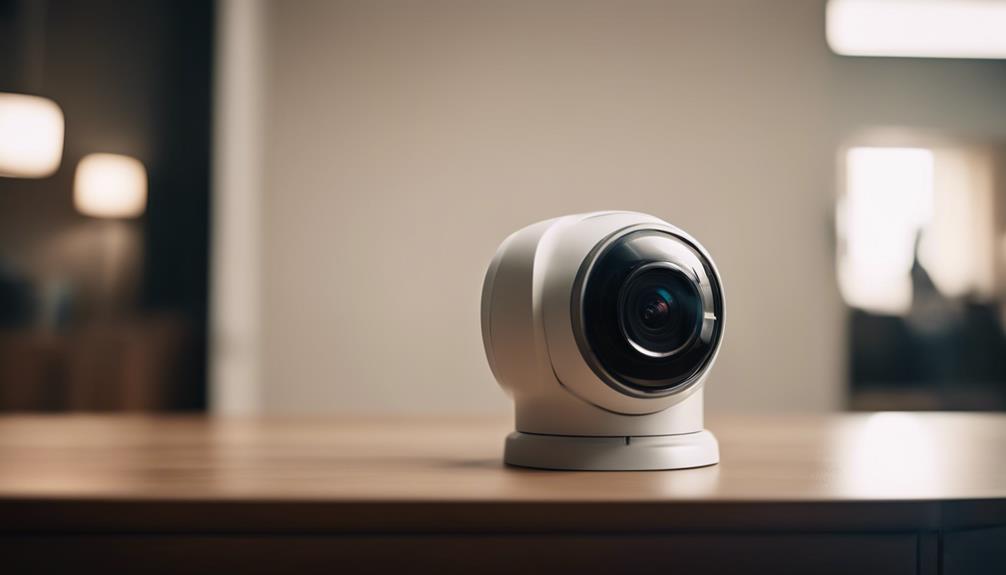
- Small stationary cameras: Used with a stand or fixed mount for time-lapse, observation, or security-related purposes.
Important features to compare
Resolution and image quality
Resolution affects the amount of visible detail in recorded footage. Mini cameras capable of 4K recording can provide sharper images and more flexibility when cropping or editing, while HD models may use less storage and power. Resolution alone does not determine quality, however. Sensor performance, lens design, exposure control, and stabilisation also influence whether footage is useful in real conditions.
Low-light performance
If the camera will be used indoors, at dusk, or in other dim environments, examine its low-light capabilities rather than relying only on its resolution label. Some small cameras include enhanced sensitivity or infrared features, but these capabilities vary by model and may affect the appearance of the recorded image.
Stabilisation and sound
Electronic image stabilisation can reduce shake in handheld or first-person footage. It is particularly useful for cycling, walking, and other active recording. Also consider microphone placement and audio quality if speech or environmental sound matters. A camera may produce sharp video but still be unsuitable for your needs if its audio is difficult to understand.
Battery, storage, and connectivity
Small cameras have limited space for batteries, so recording time should be checked carefully. Higher resolutions and wireless features can increase power use. MicroSD storage is common for local recording, while loop recording can automatically replace older files when storage becomes full. Motion-activated recording may help conserve both storage and battery when the camera is being used for observation.
Wi-Fi or Bluetooth can make it easier to preview footage, change settings, or transfer files to a phone. These features are convenient, but they should not replace checking how the camera operates without a wireless connection. Reliable local recording is important when connectivity is unavailable.
Practical uses
Mini video cameras are useful whenever portability and a small footprint matter. Sports users can attach them to helmets, bicycles, boards, or other equipment to capture a first-person view. Cyclists may prefer a lightweight, weather-resistant setup that will not interfere with handling or balance.
Wearable cameras can support personal documentation, commuting records, training, or field work. Vloggers and travellers may choose a pocket-sized camera that is faster to deploy than larger equipment. Wildlife enthusiasts can use compact cameras in narrow observation locations, provided the setup does not disturb animals or interfere with their habitat.
Choosing a mount and form factor
The mounting system affects framing, stability, comfort, and safety. A clip-on camera is convenient for clothing or straps, while a handlebar or helmet mount is better suited to point-of-view footage. A stand is more appropriate for a fixed position or time-lapse. Magnetic and adhesive mounts can be useful for temporary placement, but they should be tested before relying on them in moving or high-impact situations.
For outdoor use, look for a secure mounting system and, where necessary, a protective or waterproof housing. Check the camera’s stated resistance rather than assuming that every small action camera can withstand rain, dust, or immersion.
Buying checklist
- Choose the resolution and frame-rate options that match your editing and storage needs.
- Compare battery life under realistic recording conditions, not only the headline specification.
- Confirm supported memory-card capacity and whether loop or motion recording is available.
- Check the quality of the companion app and the reliability of file transfers.
- Make sure mounts, cases, replacement batteries, and other accessories are available.
- Look for clear warranty terms, firmware support, and practical customer assistance.
Privacy and responsible use
A small camera can be useful for documentation, but its size does not remove legal or ethical responsibilities. Recording rules differ between jurisdictions and between public and private settings. Covertly recording people without appropriate consent may create serious legal or civil consequences.
Use the device openly when possible, avoid areas where people reasonably expect privacy, and obtain consent when recording identifiable individuals is not clearly permitted. Protect recorded files with strong device access controls and secure storage, particularly when footage contains personal, sensitive, or confidential information.
The right mini video camera balances image quality with battery life, storage, durability, mounting flexibility, and responsible operation. Choosing according to the actual recording environment—not simply the smallest size or highest resolution—will usually produce more useful footage.