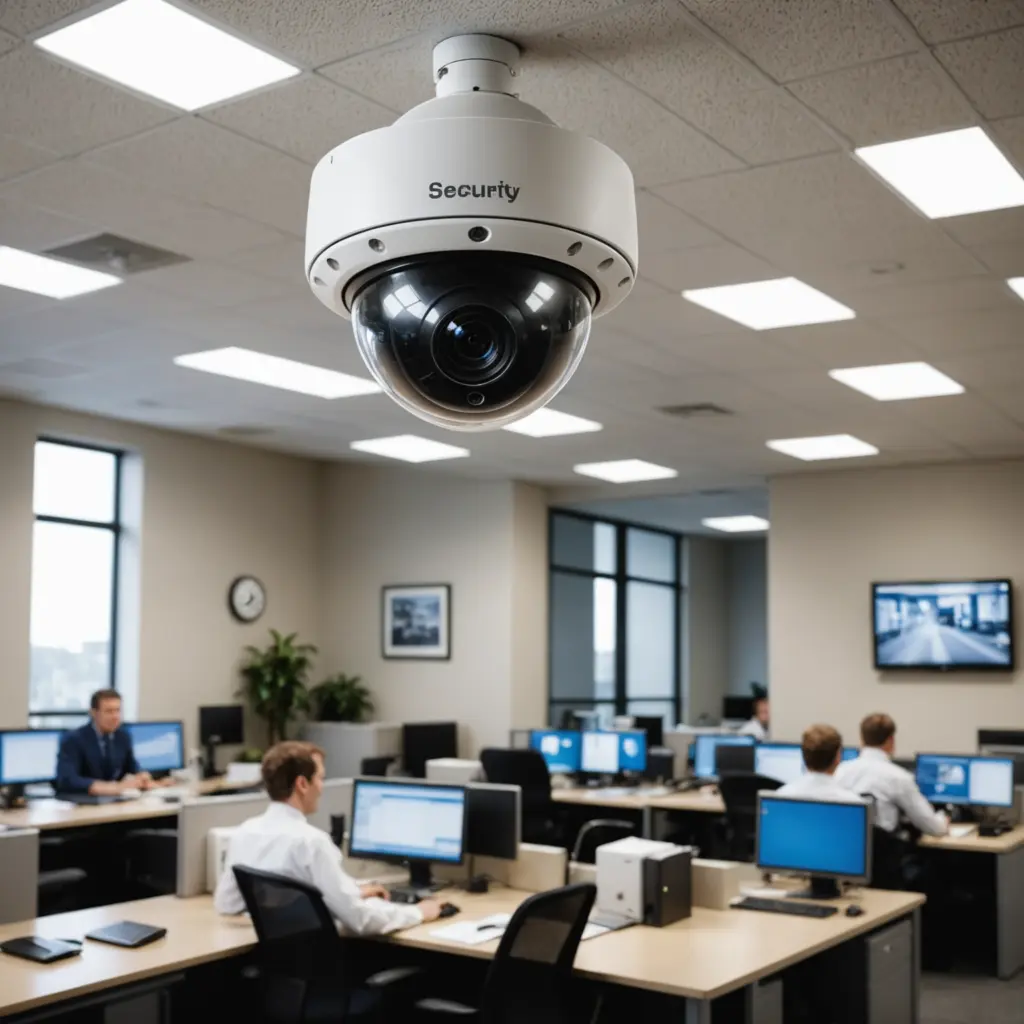

Monitored CCTV security combines video surveillance with professional oversight and a defined response process. Unlike a system that simply records footage or sends an unverified motion alert, monitored CCTV can involve trained operators, automated detection tools, or both. When activity appears suspicious, the monitoring service follows agreed procedures to verify the event and notify the appropriate people.
This approach can help businesses, homeowners, and facility managers deter unwanted activity, respond more quickly to incidents, and preserve useful video evidence. A successful installation, however, depends on more than camera quality. Coverage, monitoring procedures, data security, staff training, and privacy compliance all need to be considered together.
How monitored CCTV works
Cameras capture video and send it to a recorder, local storage device, cloud platform, or hybrid system. Depending on the service, software may identify movement or unusual activity before a monitoring operator reviews the event. Some systems provide continuous live observation, while others use analytics to direct attention to specific incidents.
A response plan should state what happens after an event is identified. Possible steps include:
- Reviewing the video to distinguish a genuine incident from a false alarm.
- Contacting a named property owner, manager, or security contact.
- Requesting an on-site security response where that service is available.
- Escalating the situation to emergency services when appropriate.
- Preserving relevant footage for an internal review or investigation.
Clear procedures are important because a camera cannot protect a property by itself. The value of monitored CCTV comes from connecting detection with a reliable and proportionate response.
Business uses for monitored CCTV
Businesses may use monitored surveillance to protect entrances, sales floors, loading areas, cash-handling points, storage rooms, and other higher-risk locations. In retail settings, video can support loss-prevention teams by highlighting possible shoplifting, unauthorized access, or activity around restricted areas. In hospitality and service environments, recorded footage may help clarify disputes or document incidents involving staff and visitors.
Monitored CCTV can also support internal reviews involving inventory discrepancies, property damage, or access-control events. It should not replace appropriate staff procedures, but it can provide an audit trail when footage is retained and handled securely.
What to assess in a business system
- Whether important areas are covered without excessive or unnecessary surveillance.
- Image quality in daylight, low-light, and challenging lighting conditions.
- Night vision and the ability to identify relevant activity at the required distance.
- Monitoring hours, verification methods, and escalation procedures.
- Response coverage available in the property’s location.
- Storage options, retention periods, and access permissions.
Residential and discreet monitoring
Homeowners may use monitored CCTV to protect entrances, garages, driveways, and other permitted areas. Monitoring can also help people respond to suspected break-ins, property damage, or unauthorized occupancy. Where care or supervision is involved, surveillance may be considered for common areas, but the privacy and consent requirements should be addressed before installation.
Discreet or concealed cameras require particular caution. A camera should never be used in a location where people reasonably expect privacy, such as a bathroom, changing area, or bedroom used by another person. In shared homes, workplaces, rental properties, care settings, and other occupied spaces, clear notice or informed consent may be required by applicable law and should be treated as an essential part of the system design.
Storage, security, and system integration
Video may be stored locally, in the cloud, or through a combination of both. The right arrangement depends on the required retention period, connectivity, privacy expectations, and the consequences of equipment failure. Ask how footage is encrypted, who can access it, how access is logged, and when recordings are deleted.
Integration can make monitoring more focused. CCTV may be linked with access control, alarm panels, or lighting so that a relevant camera records or draws attention when another security event occurs. These connections should be tested carefully, with backup procedures in place if a network connection, camera, or alarm component fails.
Legal and operational responsibilities
Surveillance laws differ by jurisdiction and by context. Before deployment, confirm the rules that apply to recording, audio capture, employee monitoring, customer notice, concealed devices, and sharing footage with third parties. The most privacy-sensitive areas should be excluded, and signs or written policies should explain surveillance where notice is required or appropriate.
Limit access to authorized personnel and establish a documented retention schedule. If footage is needed for an incident, preserve the relevant files and record who handled them. Regular reviews can identify unnecessary coverage, outdated permissions, poor image quality, or blind spots.
Building an effective monitoring plan
Begin with a risk assessment rather than choosing cameras first. Identify the areas that need protection, the types of events that matter, the expected response time, and the people responsible for making decisions. Create incident playbooks for common scenarios and test cameras, alarms, communications, and escalation contacts at scheduled intervals.
Monitored CCTV security is most effective when technology, human oversight, privacy safeguards, and response procedures work together. A carefully planned system can provide deterrence, timely awareness, and useful evidence while respecting the people who live, work, or visit within the monitored space.