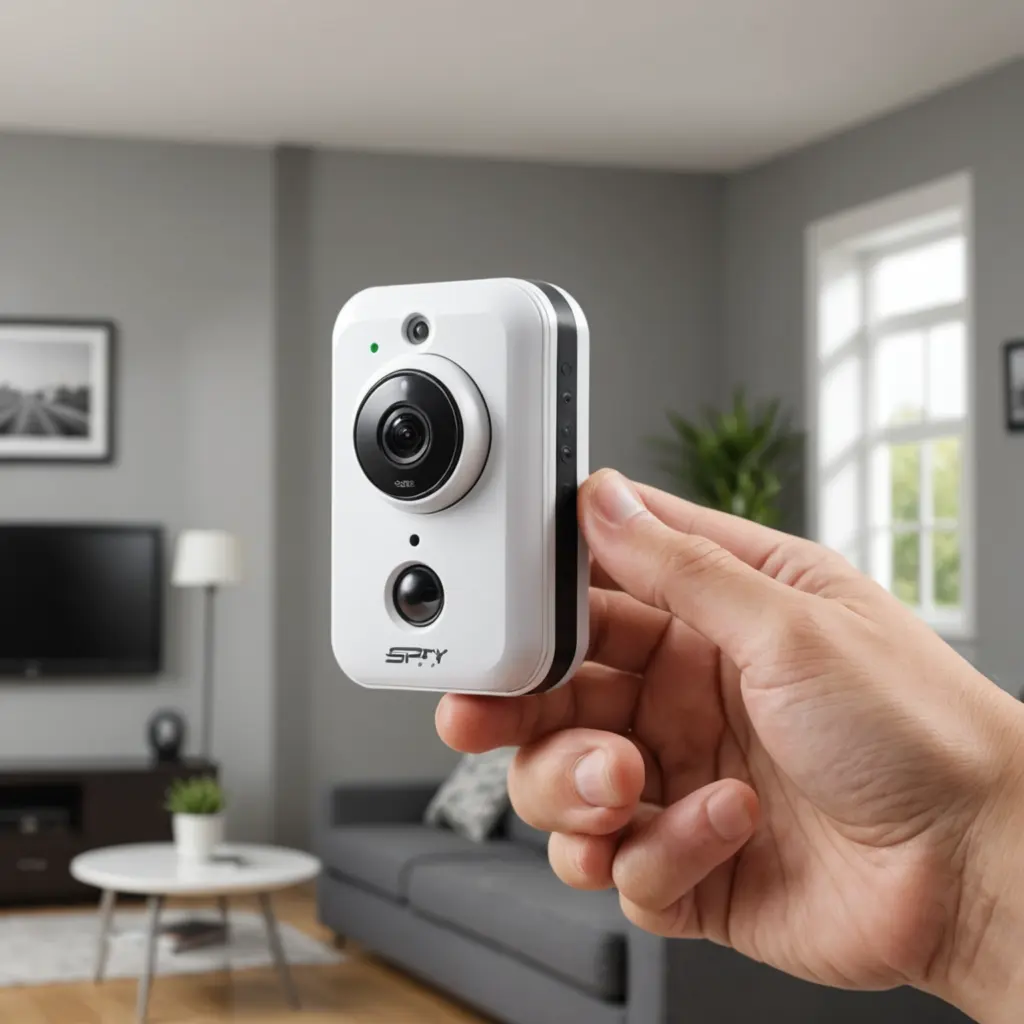

A motion sensor spy camera combines video surveillance with movement detection. Instead of recording continuously, it can be configured to begin capturing footage when activity is detected within its viewing area. This approach may help conserve storage and make recorded events easier to review.
Although these cameras are often designed to be compact and unobtrusive, they should always be used lawfully and with respect for privacy. Before installing one, consider applicable recording laws and obtain consent where required, particularly in homes, workplaces, and shared spaces.
How a Motion Sensor Camera Detects Activity
Most motion sensor cameras use an infrared-based motion detector. The sensor looks for changes in heat patterns across its field of view. When a person or another warm object moves against a relatively stable background, the change can trigger the camera to record video, capture still images, or send an alert.
The camera and sensor do not necessarily respond to every movement in exactly the same way. Performance can be affected by the viewing angle, distance, temperature, lighting, and objects moving in the area. A suitable installation and carefully adjusted settings are therefore important for reliable detection.
Recording Triggered by Motion
Motion-activated recording is one of the main reasons people choose this type of camera. Rather than creating hours of footage with no activity, the device can focus on periods when movement occurs. Depending on the model, recordings may be stored locally or managed through a connected application.
Some cameras begin recording as soon as motion is detected, while others may include a short period before or after the triggering event. The exact behavior depends on the product’s configuration. Reviewing the available recording controls can help ensure that important activity is not missed.
Infrared Monitoring in Low Light
Infrared technology can help a motion sensor camera detect movement when visible light is limited. This is useful for monitoring spaces during the evening or in areas that are not consistently illuminated. Infrared detection and night-vision video are related but not identical: the sensor may detect movement, while the camera still needs an appropriate low-light mode to produce usable footage.
Even with infrared support, image quality can vary. Reflections, obstructions, distance, and the camera’s position may affect how clearly a person or object appears in the recording.
Adjustable Sensitivity and Alerts
Customizable sensitivity settings allow the camera to be adapted to its surroundings. A highly sensitive configuration may respond to small changes, while a lower setting can help reduce alerts caused by minor or irrelevant movement.
Finding the right balance is especially useful in areas with frequent activity. Depending on the device, notifications may be delivered through a connected phone or another configured channel. Common alert controls may include:
- Adjustable motion sensitivity
- Notification preferences for detected activity
- Motion zones that focus detection on selected parts of the frame
- Recording duration or cooldown settings
- Options to disable alerts at particular times
These controls can make notifications more useful, but they cannot guarantee that every event will be detected or that every alert will represent a security concern.
Remote Viewing and Monitoring
Models with wireless connectivity may allow remote access through a compatible application or service. Remote viewing can provide a live look at the camera’s field of view, while motion notifications can draw attention to activity without requiring constant manual checking.
Remote features depend on the camera’s connection, power supply, software, and network conditions. A camera that loses power or connectivity may not be able to transmit live video or send alerts until service is restored. For that reason, remote monitoring should be treated as a convenience rather than a substitute for every other security measure.
Discreet and Practical Placement
The camera’s location affects both detection and image quality. Place it where the intended area is visible without major obstructions, and test the view from the angle at which movement is most likely to occur. Corners or elevated positions may provide broad coverage, but the best location depends on the room and the device’s field of view.
A compact design may help the camera blend into its surroundings, but concealment should never be used to record people unlawfully or in places where they reasonably expect privacy. Avoid positioning the device toward private areas, and make sure its use complies with local requirements.
What to Consider Before Choosing One
- How the motion sensor detects activity
- Performance in darkness or low light
- Local storage and recording options
- Alert controls and sensitivity adjustment
- Remote viewing requirements
- Power and network reliability
- Privacy, consent, and lawful placement
A motion sensor spy camera can offer focused recording, configurable alerts, low-light monitoring, and remote access in a small form factor. Its effectiveness depends on selecting suitable settings, positioning it carefully, and using it responsibly.