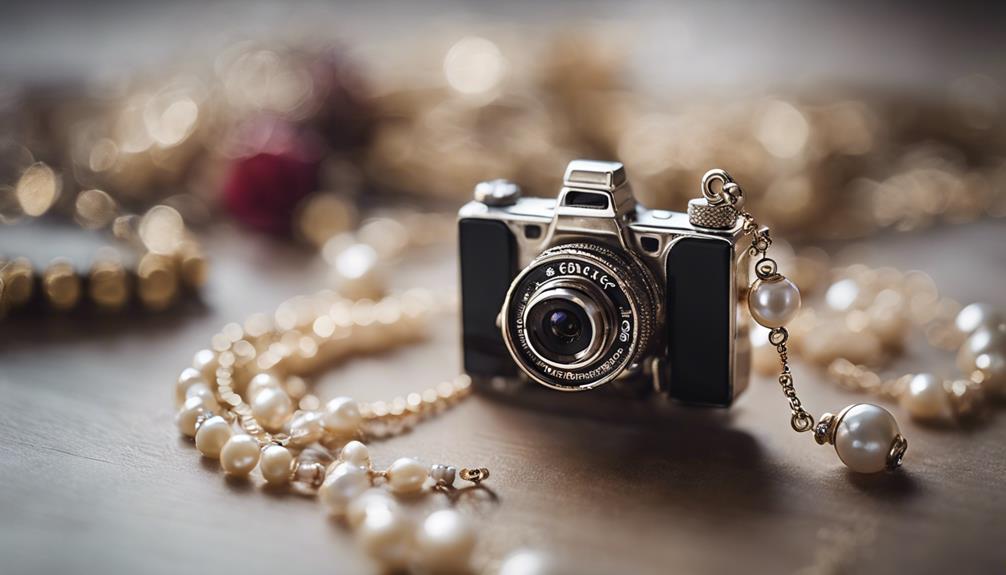

Necklace spy cameras are compact recording devices designed to resemble wearable accessories. Their small size can make them easier to carry than a conventional camera, but discreet appearance does not remove the need for responsible use. Before choosing one, consider the recording conditions, the features you actually need, and the privacy laws that apply where you live.
What to Look for in a Necklace Camera
Not every wearable camera offers the same performance. A practical comparison should focus on recording quality, controls, battery capacity, storage, and how securely the device can be worn.
Video quality and field of view
A higher-resolution camera can produce more detailed footage, particularly when the subject is some distance away. A wide-angle lens can also cover more of the scene, which may be useful for documenting an activity or monitoring your immediate surroundings. However, a wider view can introduce distortion near the edges and may capture people or areas you did not intend to record.
Low-light performance is another important consideration. A camera may advertise night vision or low-light recording, but results can vary significantly. If possible, test the device in the lighting conditions where it will be used rather than relying on a feature label alone.
Battery life and storage
Recording time depends on factors such as video resolution, audio use, motion detection, and wireless connectivity. A larger battery may provide longer operation, but it can also make the necklace heavier and less comfortable. Check whether the battery is rechargeable, how it charges, and whether recording can continue while the device is connected to power.
Storage is equally important. Some cameras use removable memory cards, while others transfer files to a connected device. Confirm the supported storage capacity and the process for copying recordings. Important footage should be backed up promptly and protected from unauthorized access.
Controls and everyday usability
Simple controls are valuable when you need to start or stop recording without navigating complicated menus. Look for clear indicators, accessible buttons, and a setup process that does not require unnecessary technical knowledge. A secure attachment point matters too: the camera should remain aimed at the intended scene without swinging, rotating, or causing discomfort.
Connectivity and Motion Detection
Some wearable cameras offer wireless connectivity for transferring files or viewing footage on another device. Wireless features can be convenient, but they may increase battery use and introduce security risks. Use strong account credentials, keep connected devices updated, and avoid sending sensitive recordings through unsecured networks.
Motion detection can start recording when movement is identified, helping conserve storage and battery during periods of inactivity. It is not perfect, however. Background movement may trigger unwanted clips, while slow or distant movement may go unnoticed. Treat motion detection as a convenience feature rather than a guarantee that every event will be captured.
Audio Recording Requires Extra Care
A built-in microphone can capture conversations and surrounding sounds, but audio recording is often subject to stricter rules than video. Laws may require the consent of one or more participants, and the requirements can differ between locations. Background conversations may also be recorded unintentionally.
If audio is not essential to your legitimate purpose, consider disabling it. When audio is necessary, learn the applicable rules before recording and avoid capturing private conversations without proper permission.
Privacy, Consent, and Responsible Use
A necklace camera should not be treated as a licence to record people secretly. Recording in a public setting may still raise privacy concerns, while recording inside homes, workplaces, changing areas, medical settings, or other private locations can create serious legal and ethical problems. Rules may also apply to storing, sharing, or publishing footage, not just to making the recording.
Use a wearable camera only for a lawful, clearly defined purpose. Where consent is required, obtain it before recording. Do not use the device to harass, stalk, intimidate, impersonate, or monitor someone without authorization. If the footage relates to a dispute or safety incident, preserve the original file and limit access to people who have a legitimate reason to review it.
A Practical Buying Checklist
- Choose video quality and lens coverage suited to the distance and lighting of the intended scene.
- Compare realistic recording time rather than relying only on the advertised battery capacity.
- Check storage limits, file-transfer options, and backup procedures.
- Test the fit and camera angle before relying on the device.
- Review wireless security features and protect connected accounts.
- Decide whether audio recording is necessary and verify the relevant consent rules.
- Understand local restrictions on recording, retention, and sharing.
Final Considerations
Necklace spy cameras can be convenient wearable recorders when used transparently, lawfully, and for a legitimate purpose. Compact construction, wide-angle video, motion detection, and wireless transfer may all be useful, but none of these features compensates for poor image quality, limited battery life, insecure storage, or unlawful recording. Compare the device against your actual needs, test it in advance, and put privacy and consent ahead of discretion.