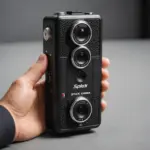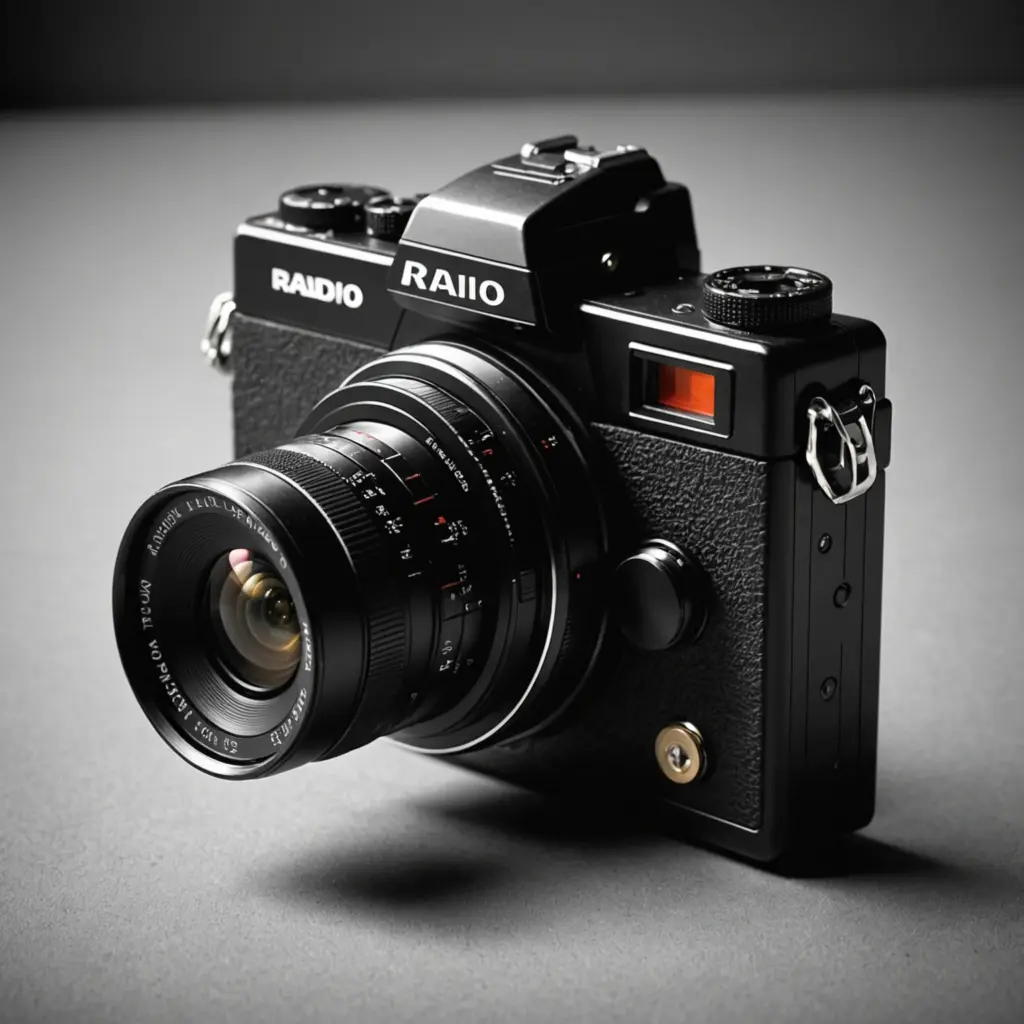

A radio camera spy is a small surveillance camera built into an enclosure designed to resemble an ordinary tabletop radio. The format is intended to make the device less visually intrusive than a conventional security camera, while still providing video recording or a live feed. Depending on the model, footage may be sent directly to a nearby receiver, streamed over a Wi-Fi network, or saved to local storage. Explore how radio signal integration improves range, stealth, and functionality in modern covert camera systems.
Although these devices can be useful for legitimate security monitoring, their concealed design makes privacy, consent, and local law especially important. A suitable model should offer the technical performance needed for the intended setting without encouraging secret recording in places where people reasonably expect privacy.
How a radio camera spy works
Inside the radio-style housing, a typical device may contain a miniature camera lens, microphone, processor, power source, and either a transmitter or storage system. Some products function as working radios, while others use the radio appearance only as a disguise for the camera and electronics.
Radio-frequency models send video to a compatible receiver through a direct wireless connection. This can be useful where Wi-Fi is unavailable or where the owner prefers not to connect the camera to an internet network. Wi-Fi models, by contrast, can support network-based viewing but depend on a suitable local connection and appropriate security settings. Other devices record to a microSD card, allowing footage to be reviewed later without transmitting it.
Features worth comparing
Video and low-light performance
Resolution is only one part of image quality. The lens, viewing angle, lighting, and camera placement all affect whether recorded footage is useful. A higher-resolution camera may require more storage and transmission capacity, so it is important to consider the complete system rather than focusing on a specification in isolation.
For monitoring that may continue after dark, check whether the device supports night vision or has good low-light sensitivity. Test the image in the actual room where the camera will be used, since walls, reflections, and poor positioning can reduce visibility.
Motion detection and recording options
Motion detection can begin recording when activity is detected instead of capturing hours of empty footage. This may conserve storage and, for battery-powered devices, extend operating time. Sensitivity should be tested so that the camera does not respond constantly to harmless movement, lighting changes, or other background activity.
Local recording offers a straightforward way to avoid wireless transmission, but footage must be retrieved from the device or memory card. Live viewing is more convenient for active monitoring, but it introduces additional requirements involving signal reliability, receiver compatibility, network security, and privacy.
Wireless transmission and security
Analog radio transmission can provide a simple, low-latency connection, but it may be more vulnerable to interference and unauthorized reception. Digital transmission can offer improved signal handling, while encryption—when properly implemented—can help protect the video stream. Review the manufacturer’s documentation carefully rather than assuming that every wireless camera uses secure encryption. For discreet radio-camera setups, compact action cameras offer rugged recording and flexible mounting for mobile surveillance projects.
Transmission range is also affected by walls, nearby wireless equipment, building materials, and the position of the camera and receiver. A stated range should be treated as a testing reference, not a guarantee for every location.
Legitimate applications
A radio-style camera may be considered for visible, authorized monitoring in a home, office, shop, property, or vehicle. Examples include observing an entrance, checking a room during a maintenance period, protecting stored equipment, or recording activity in an area where people have been informed about monitoring.
The device should not be used to record private conversations or intimate spaces, monitor people without the required permission, or collect footage for harassment or intrusion. The fact that a camera is disguised does not remove legal or ethical responsibilities.
Privacy and legal considerations
Rules differ by jurisdiction, but recording in bedrooms, bathrooms, changing areas, and other private spaces can be unlawful without clear consent. Audio recording may be subject to separate requirements, including consent from one or more participants. Workplace, rental, and short-term accommodation monitoring may also involve disclosure obligations.
Before installation, check applicable surveillance and recording laws and obtain consent where required. Limit the camera’s field of view to the area that genuinely needs protection, avoid recording unnecessary audio, protect stored footage, and establish a retention period so recordings are not kept indefinitely. If footage may relate to a crime, preserve it carefully and consider contacting law enforcement rather than attempting an independent investigation.
Choosing and maintaining the device
Start by deciding whether the priority is local recording, live monitoring, battery operation, low-light performance, or a combination of these features. Confirm power requirements, storage capacity, receiver compatibility, and the practical range in the intended environment.
- Place the unit so the lens has a clear, stable view.
- Test image quality, motion detection, audio settings, and recording before relying on the device.
- Keep firmware and companion software updated when updates are available.
- Use strong account credentials and secure any connected network.
- Check battery condition, storage space, and signs of physical wear regularly.
- Inspect wireless performance for interference from nearby equipment.
A radio camera spy can combine a familiar enclosure with useful monitoring functions, but concealment should never take priority over consent and responsible use. The best choice is the simplest system that meets the security need, protects recorded information, and operates within the law.