
Restaurants operate in busy, unpredictable environments. Customers, employees, suppliers, and delivery drivers may move through the property at all hours, while cash, food inventory, and valuable equipment remain on-site. A well-planned restaurant video surveillance system can help owners and managers improve safety, investigate incidents, reduce losses, and understand how the operation functions during busy periods.
What restaurant surveillance can support
Security cameras are useful for more than preventing theft. Properly placed cameras can provide a record of events, help clarify customer or employee disputes, and show where additional safety procedures may be needed. They can also support routine management tasks without replacing responsible supervision.
- Incident documentation: Footage may help establish what happened during an accident, altercation, suspicious activity, or property-damage claim.
- Cash and transaction oversight: Cameras aimed at point-of-sale areas can provide visual context when a payment, refund, or cash-handling issue is questioned.
- Inventory control: Storage rooms, receiving areas, and delivery entrances can be monitored for unauthorized access or unexplained stock loss.
- Operational review: Dining-room and service-area footage can reveal congestion, delays, or workflow problems during peak periods.
- Late-night safety: Bar and exterior cameras can help managers review incidents that occur around closing time or in customer-access areas.
Choosing a restaurant camera system
The best system depends on the restaurant’s layout, lighting, network infrastructure, operating hours, and budget. A small independent restaurant may prefer a scalable wireless setup, while a larger facility or multi-location business may need a wired system with centralized recording and administration.
Wired and wireless options
Wired cameras generally provide a dependable connection and can support continuous recording across multiple high-resolution feeds. They may require more installation work, particularly in an existing building. Wireless security cameras for restaurants can be easier to install or reposition, but they depend on reliable Wi-Fi coverage and a properly secured network. Before choosing wireless equipment, check signal strength in every intended camera location and plan for areas where walls, kitchen equipment, or distance could interrupt connectivity.
Features worth evaluating
- Image quality: Clear high-definition video is important for identifying people, actions, and transaction details.
- Low-light performance: Infrared or other low-light capabilities are useful in bars, parking approaches, storage areas, and restaurants operating after dark.
- Recording and storage: On-site recording, cloud storage, or a hybrid approach should be evaluated for accessibility, retention needs, and protection against damage or theft of recording equipment.
- Motion and tamper alerts: Alerts can help staff focus on relevant events instead of reviewing every minute of footage.
- Remote access: A secure mobile or web interface can allow authorized managers to view live feeds or recorded clips when they are away from the premises.
Planning camera placement
Camera placement should follow the restaurant’s security and operational goals rather than simply covering the largest possible area. Avoid relying on a single camera when an important doorway, register, or service route could be blocked by people, fixtures, or seasonal displays.
Common locations include:
- Front and rear entrances, including employee and delivery access points
- Cash registers and point-of-sale terminals, positioned to show the surrounding activity without unnecessarily recording sensitive payment information
- The dining room, host stand, and customer circulation areas
- The bar counter and nearby seating in venues where alcohol service or late-night incidents require additional oversight
- Kitchen pass-throughs, receiving areas, storage rooms, and waste or delivery zones
- Exterior approaches where permitted and appropriate
In kitchens and other back-of-house areas, cameras may help document access, receiving activity, and adherence to established procedures. They should not be treated as a substitute for food-safety training, management presence, or clear operating standards.
Visible and discreet cameras
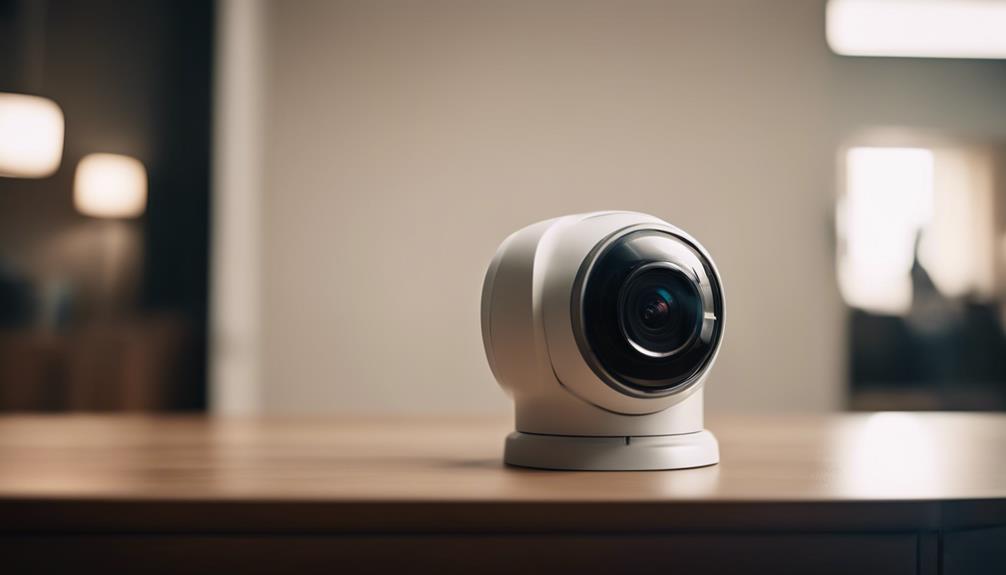
Visible cameras can discourage some unwanted behavior and make the purpose of the system easier to explain to employees and guests. Discreet equipment may be considered for limited, legitimate security purposes, such as monitoring a remote delivery entrance or storage location. Any covert use should have a documented business reason, management oversight, and a review of applicable legal requirements.
Cameras should never be placed in restrooms, locker rooms, or other areas where people reasonably expect privacy. Audio recording may be subject to separate or stricter rules than video, so businesses should obtain appropriate legal guidance before enabling microphones.
Policies, access, and maintenance
A surveillance system works best when supported by written policies. Explain the general purpose and locations of cameras to employees, define who may view or export footage, and establish how incidents are reported. Retention periods should be limited to a reasonable business need and handled in accordance with applicable privacy and data-protection obligations.
Managers should also schedule routine checks of camera angles, recording status, storage capacity, network security, and firmware. Staff members who are authorized to use the system should know how to locate footage, preserve relevant clips, and avoid sharing privacy-sensitive recordings casually.
The right restaurant video surveillance system combines suitable equipment with thoughtful placement, secure access, transparent procedures, and ongoing maintenance. Used responsibly, it can strengthen restaurant security while also giving owners and managers a clearer view of incidents, risks, and daily operations.