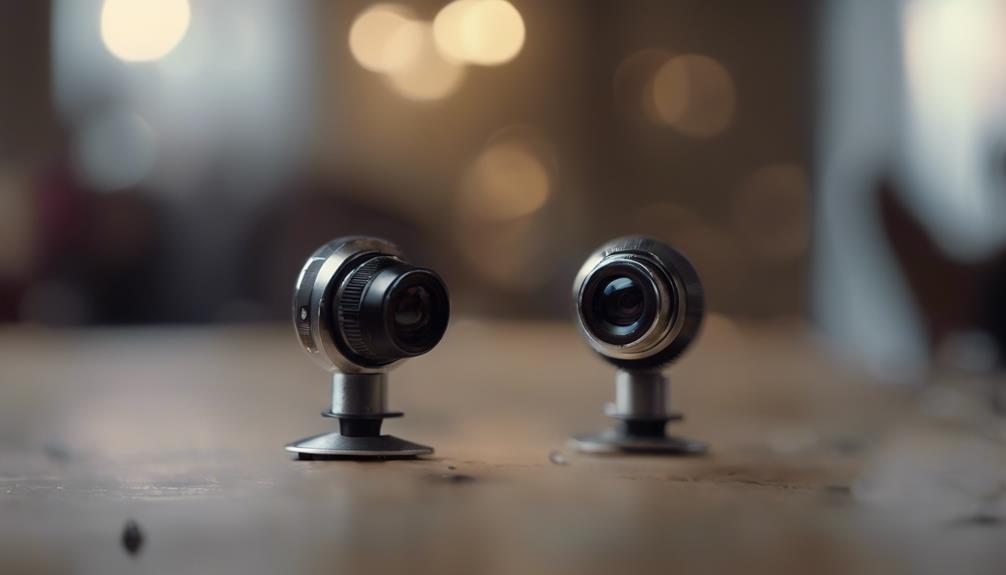

Wireless mini cameras designed to resemble screw heads are intended for situations where a small, unobtrusive form factor matters. Their compact design can make them easier to position than a conventional security camera, while wireless connectivity may simplify access to live video and recorded footage. However, discreet equipment should always be used lawfully, with appropriate notice and consent wherever required.
What to Look For in a Screw-Style Mini Camera
The best choice depends on the space being monitored, the available lighting, and how footage will be reviewed. Rather than focusing only on size, consider the camera’s image quality, power requirements, connectivity, storage options, and control features.
Low-light and night-vision performance
Night vision is important when monitoring continues after dark or in areas with inconsistent lighting. A camera with effective low-light performance can produce more useful footage than one that relies entirely on bright ambient light. Before installation, consider whether the camera will face windows, reflective surfaces, or areas that become completely dark, since placement can affect the clarity of the image.
Motion detection
Motion detection can reduce unnecessary recording by activating the camera or generating an alert when movement occurs within its field of view. This may make footage easier to review and help conserve available storage. The detection area should be adjusted carefully: a camera pointed at a busy hallway, moving curtains, or a road may produce more alerts than needed.
Wireless access and remote viewing
Wireless connectivity can make a small camera easier to install and reposition. Depending on the device and its monitoring system, users may be able to view live footage remotely through a phone, tablet, or computer. Reliable performance depends on the camera’s connection to the local network, the distance from the router, and the quality of the monitoring software.
Installation and Placement
A screw-style camera is typically chosen for its discreet appearance, but concealment should not be the only consideration. Place the camera where it has a clear, useful view and where its lens will not be blocked by trim, furniture, dust, or glare. Test the angle during both daytime and nighttime conditions before relying on the footage.
- Choose a stable surface that will not vibrate or shift.
- Confirm that the camera can maintain a dependable wireless connection.
- Check how the device receives power and plan for battery changes or cable routing.
- Keep the lens clear and avoid pointing it toward strong light sources.
- Test motion alerts so they respond to relevant activity without excessive notifications.
Many compact cameras use a simple mounting method, such as a screw fitting, adhesive backing, or a magnetic attachment. Follow the manufacturer’s instructions for the specific device, particularly when installing it on a wall, ceiling, vehicle, or other surface that may require secure fastening.
Suitable Uses and Privacy Responsibilities
Wireless mini cameras may be useful for lawful monitoring of property, equipment, entrances, or other areas where people have been informed about surveillance. They can also help users check a space remotely when they are away. They should not be used to record private activities, access areas without permission, or monitor people secretly in places where they reasonably expect privacy.
Before using a camera, check applicable laws and workplace or household policies concerning video recording, audio capture, notification, and data retention. Audio recording can be subject to additional restrictions. Protect accounts with strong, unique passwords, limit access to trusted users, and review how footage is stored and shared.
Making a Practical Choice
A screw-style wireless mini camera is most suitable when a small installation footprint, motion-based recording, low-light capability, and remote access are all useful. The most important decision is not simply choosing the smallest model. It is selecting a device that provides a dependable view, can be powered consistently, connects reliably, and supports responsible handling of recorded information.
Used with clear permission and thoughtful placement, these cameras can provide a compact monitoring option without the bulk of a traditional security camera. Good setup and responsible privacy practices are just as important as the camera’s size or feature list.