
Shopping centers bring shoppers, employees, tenants, contractors, and delivery personnel together across a large and constantly changing environment. A well-planned video security program can help property managers deter theft and vandalism, respond to safety incidents, and preserve useful evidence when something goes wrong. It can also support day-to-day operations, provided monitoring is designed around a clear security purpose and appropriate privacy safeguards.
Why video security matters in retail complexes
Shopping centers face a broad range of risks, including shoplifting, employee theft, property damage, unauthorized access, parking-lot disputes, and accidents. Video footage can help establish what happened, identify people or vehicles, and provide a reliable record for internal investigations or requests from law enforcement.
Security cameras may also assist with emergency coordination, traffic-flow reviews, queue management, and other operational tasks. These benefits are strongest when video is part of a larger program that includes trained personnel, written procedures, access control, alarms, lighting, and tenant cooperation.
Use visible cameras as the foundation
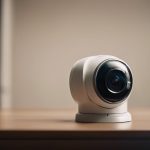
Visible cameras should form the primary layer of a shopping center video system. Their presence can discourage opportunistic misconduct while giving security staff broad awareness of activity throughout the property. Fixed cameras are useful for entrances, corridors, food courts, walkways, and other areas where a consistent field of view is needed. Pan-tilt-zoom cameras may provide additional flexibility for large open spaces, parking areas, and incident response.
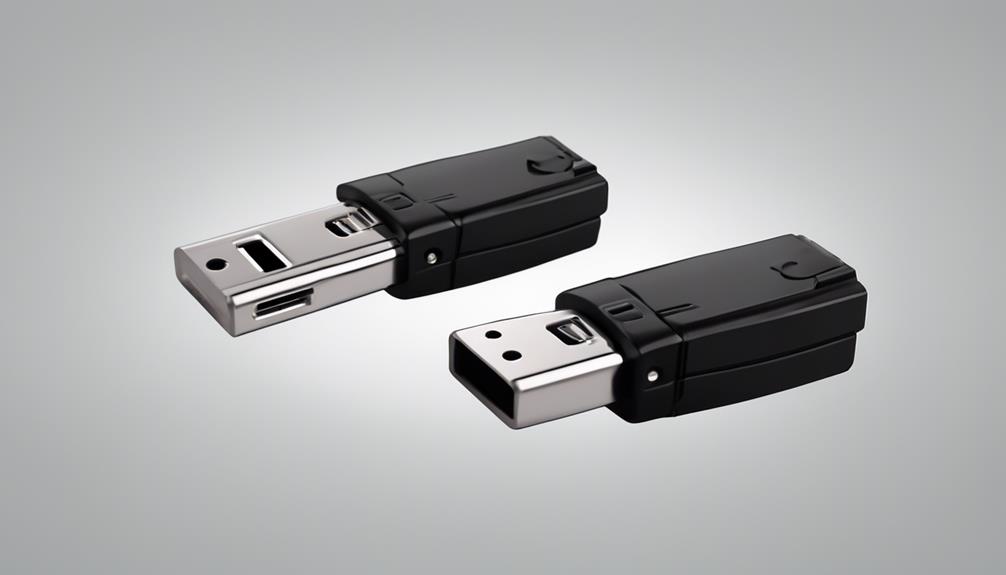
Discreet monitoring should not replace visible coverage or be treated as a shortcut for weak security planning. If a concealed device is considered, it should address a documented security concern, be limited to an appropriate location, and be reviewed for legal and ethical compliance before installation.
Plan camera placement around risk and evidence
Camera quantity alone does not guarantee useful coverage. Start by mapping entrances, exits, tenant spaces, service routes, loading areas, parking facilities, and locations with a history of incidents. Then determine which views need broad situational awareness and which require detail suitable for identifying a person, object, or vehicle.
- Entrances and exits: Use clear views that support identification as people enter or leave. Avoid positioning cameras where backlighting or glare obscures faces.
- Retail and high-value areas: Use focused coverage near displays, kiosks, cash-handling areas, and tenant entrances, subject to tenant agreements and privacy requirements.
- Common areas: Elevated fixed cameras can cover walkways, food courts, and gathering spaces while reducing blind spots.
- Service areas: Monitor loading docks, storage corridors, staff entrances, and other restricted routes for unauthorized access and inventory-related concerns.
- Parking and perimeter zones: Select weather-resistant equipment with suitable low-light or infrared performance, and account for changing daylight, vehicle headlights, and obstructions.
Coverage should be tested from the perspective of the expected evidence. A camera that shows that an incident occurred may not provide enough detail to identify who was involved.
Features worth prioritizing
Choose equipment and software based on the conditions at each location rather than applying one specification everywhere. High-resolution sensors can improve detail at a distance, while wide dynamic range helps handle bright entrances, glass storefronts, and uneven lighting. Power over Ethernet can simplify installation by carrying power and data through one network connection.
Storage may be on-site, cloud-based, or hybrid. The decision should account for retention needs, network reliability, security controls, access requirements, and the organization’s ability to maintain the system. Useful analytics may include perimeter alerts, loitering detection, people counting, object classification, and event tagging. These tools should support trained staff rather than operate without review, since lighting, crowds, and normal retail activity can produce false alerts.
Privacy masking is important wherever the camera view could include sensitive areas. System administrators should also be able to control user permissions, track access to footage, and preserve relevant recordings without allowing unnecessary copies.
Privacy, legal, and ethical safeguards
Video monitoring rules vary by jurisdiction, and audio recording may be subject to separate restrictions. Restrooms, locker rooms, and other places where people reasonably expect privacy should not be monitored. Concealed cameras require particular caution: obtain legal advice before deployment, document the security purpose, and confirm that the proposed location and method are permitted.
Shopping center operators should create written policies covering camera purposes, signage, tenant and employee notification, retention periods, access permissions, disclosures, and evidence preservation. Clear communication through signage, lease provisions, or workplace policies can reduce misunderstandings while reinforcing responsible use. Recorded data should be protected from tampering, unnecessary access, and unauthorized distribution.
Maintain the system and define the response
Security value declines when cameras are dirty, misaligned, offline, or recording to unhealthy storage. Schedule inspections for lenses, mounts, cabling, weather exposure, and coverage changes caused by construction or new displays. Keep firmware and management software updated, and review storage capacity and overwrite settings regularly.
Written response procedures should state who receives alerts, how incidents are escalated, and how footage is exported and preserved. Train security personnel on both the capabilities and limitations of the system, including the proper handling of sensitive recordings. Integrating video with access control, alarms, and tenant incident reporting can create a more coordinated response without expanding surveillance beyond its legitimate purpose.
Build a balanced security program
Effective shopping center video security combines visible deterrence, carefully selected technology, purposeful placement, trained personnel, and strong governance. Discreet monitoring may have a limited role in legitimate investigations, but every deployment should respect privacy, follow applicable law, and be supported by documented procedures. A balanced approach helps protect shoppers, employees, tenants, and property while preserving trust in the retail environment.