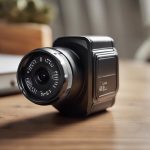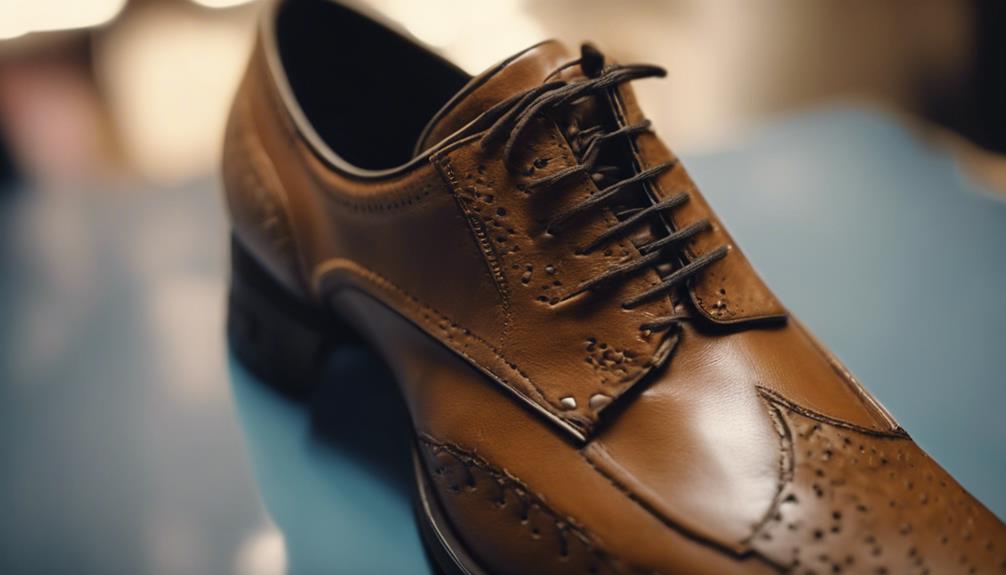

Spy cameras built into shoes are a striking example of covert surveillance technology. By placing a small lens and recording components inside footwear, a device can capture images or video without looking like a conventional camera. That discreet design is also what makes shoe-mounted cameras ethically and legally sensitive.
This guide explains the basic concept behind these devices, why people may consider them useful, and the serious privacy concerns that accompany hidden recording. It also outlines practical steps for responding to a suspected camera and why local law should always be considered.
What Is a Spy Camera in a Shoe?
A shoe spy camera is a miniature recording system concealed within footwear. The lens may be positioned near the toe, heel, or another part of the shoe that offers a suitable view. Other components can include a sensor, battery, internal storage, wiring, or a wireless connection to another device.
The central purpose of the design is concealment. Unlike a visible camera, a camera hidden in a shoe may be difficult for people nearby to notice. That can make it relevant to security discussions, but it can also enable recording without the knowledge or permission of the people being filmed.
How Shoe-Mounted Cameras Work
In general terms, the lens collects light and the image sensor converts it into digital footage. The system then stores the recording locally or sends it through a wired or wireless connection to another storage device or receiver. The exact arrangement depends on the design of the device.
Because the camera is integrated into footwear, its viewing angle and image quality may be limited by the shoe’s position, movement, and surrounding material. Concealment can also create practical challenges, such as obstructed views or difficulty accessing the controls and power source. These limitations do not remove the privacy concerns associated with recording people covertly.
Why People Discuss Their Potential Uses
The main attraction of a shoe camera is discretion. A visible camera can draw attention, while a concealed device may appear less intrusive to the person operating it. In discussions about personal safety or documentation, that characteristic is sometimes presented as an advantage.
However, discreet recording is not automatically justified. A person’s desire to collect evidence or monitor a situation must be balanced against the privacy, dignity, and consent rights of everyone recorded. The fact that a device is small or technically capable does not make its use appropriate.
Privacy and Ethical Risks
Hidden cameras can violate a reasonable expectation of privacy, particularly in places such as bathrooms, changing rooms, private residences, or other personal spaces. Recording someone without their knowledge may expose intimate activity, conversations, or identifying information without giving them a chance to object.
Consent is therefore a central issue. Ethical recording generally requires people to understand that recording is taking place and, where appropriate, to agree to it. Secretly capturing images can damage trust even when the footage is never shared. The risks become more serious when recordings are stored, transmitted, published, or used to intimidate or exploit someone.
There is also a wider cultural impact. Spy cameras have appeared in entertainment and popular discussions of espionage, which can make covert surveillance seem clever or harmless. In real situations, concealed recording can have serious consequences for individuals and communities.
What to Do If You Suspect a Hidden Shoe Camera
No visual clue proves that a shoe contains a camera, and unusual footwear alone is not evidence of wrongdoing. Avoid confronting or searching another person without a clear reason, since an accusation can escalate a situation or create new legal problems.
If you believe you may have been recorded without consent:
- Move to a safer or more private location if possible.
- Note the time, place, people involved, and behavior that caused concern.
- Preserve relevant messages, photographs, or other evidence without altering it.
- Inform venue security, management, or the appropriate authorities.
- Seek legal advice if you believe your privacy or safety has been violated.
In a public setting, staff or law enforcement may be better placed to investigate than an individual attempting to inspect someone’s clothing. If there is an immediate threat, prioritize personal safety and contact emergency services.
Legal Considerations
The legality of hidden recording varies by jurisdiction and depends on factors such as where the recording occurred, whether audio was captured, who was recorded, and whether consent was given. Many places restrict recording people in locations where they reasonably expect privacy, while other rules may apply to public areas or conversations.
Possible consequences can include civil claims, criminal penalties, workplace or venue sanctions, and restrictions on using the footage as evidence. Because laws differ, general online guidance cannot determine whether a particular recording is lawful. Anyone considering a concealed camera should consult the applicable local rules before recording, and anyone affected should obtain advice from a qualified local professional.
Responsible Use and Privacy Protection
The small size of a shoe camera should not obscure the responsibilities attached to recording. Transparent notice, meaningful consent, limited collection, secure storage, and a legitimate purpose are important safeguards. In many situations, a visible camera or an openly discussed recording method is a more respectful alternative.
Understanding how these devices work is useful, but the most important lesson is that technical capability does not override privacy rights. Covert surveillance should be approached with caution, and suspected misuse should be documented and reported through appropriate channels.