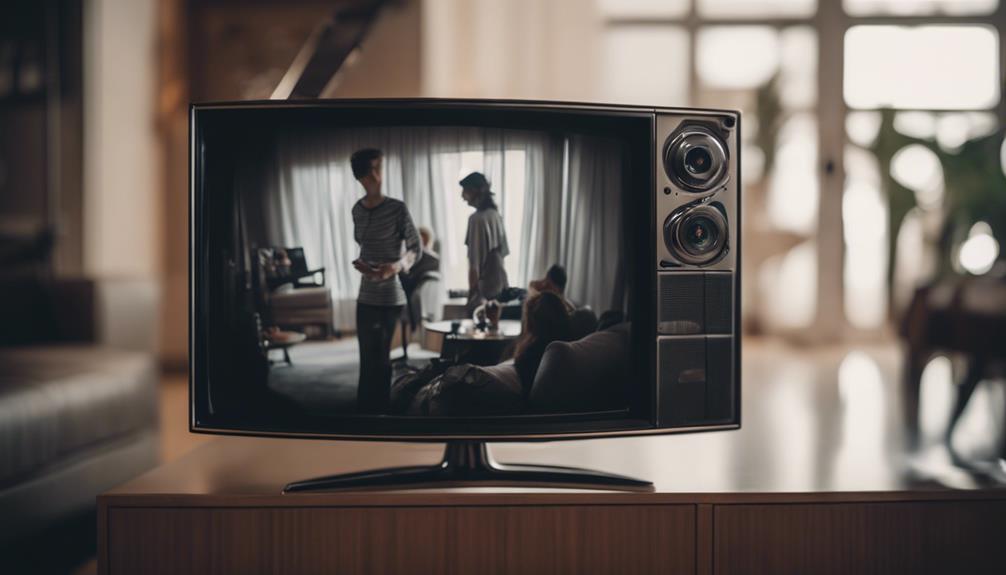

A spy camera TV is a television-style device that incorporates a concealed camera for monitoring a room or surrounding area. From the outside, it may look like an ordinary TV or display, while the camera is built into the unit and positioned to capture video discreetly.
Depending on the design, recorded footage may be saved inside the device or sent wirelessly to another storage system for later viewing. Some models may also support features such as motion-activated recording, remote access, and audio capture. These capabilities make the technology flexible, but they also make responsible use especially important.
How a Spy Camera TV Works
The basic operation is similar to that of other security cameras. A camera concealed within the television housing captures activity in its field of view. When recording is enabled, the device stores the footage internally or transmits it to a connected device or network.
Motion detection can be used to begin recording when movement is detected rather than continuously recording. This may help focus attention on relevant footage and reduce the amount of storage required. If remote viewing is supported, an authorised user may be able to check a live feed or review recordings from a phone or computer.
Performance depends on the particular device and its installation. Camera position, lighting, network access, available storage, and the viewing angle all affect what the system can capture. Manufacturer instructions should be followed when setting up the unit.
Common Uses
A concealed camera built into a television may be considered where a visible security camera would be distracting or impractical. Possible applications include:
- Home security: Monitoring an entrance, living area, or other permitted space.
- Care and supervision: Checking on a child or dependent person when appropriate consent and safeguards are in place.
- Business security: Observing a reception area, stockroom, or other workplace location for security purposes.
- Evidence review: Retaining recordings that may help clarify an incident, subject to applicable rules.
A spy camera TV should not be treated as a universal security solution. Its concealed design may make it less noticeable, but it can also make responsible operation harder if people do not know they are being recorded.
Features to Consider
Spy camera TVs can differ considerably. When evaluating one, consider the following features:
- Recording method: Check whether footage is stored internally, sent to another device, or handled in both ways.
- Motion detection: Determine whether recording can start when movement occurs and whether sensitivity can be adjusted.
- Remote access: Confirm how live viewing or playback works and how access is protected.
- Image and sound: Review the camera’s viewing range and whether audio recording is included. Audio may be subject to stricter privacy rules than video.
- Placement: Make sure the camera has a clear, useful view without being aimed at areas where recording would be particularly intrusive.
- Storage and security: Consider how long recordings are retained and who can access them.
Privacy and Legal Responsibilities
The central concern with a spy camera TV is that people may be recorded without realising it. Laws governing surveillance vary by location and can depend on where the camera is installed, whether audio is captured, who is recorded, and the purpose of the recording. In some circumstances, consent or notice may be required.
Before using one, check the rules that apply to your location and situation. Avoid placing a concealed camera in bedrooms, bathrooms, changing areas, or other spaces where people reasonably expect privacy. In a workplace or shared property, additional requirements may apply. When in doubt, obtain clear permission and seek qualified legal advice rather than relying on the device’s discreet appearance.
Good privacy practice also includes limiting access to recordings, using strong account credentials where applicable, retaining footage only as long as necessary, and deleting material that is no longer needed. A visible camera with clear notice may be a more appropriate choice when transparency is important.
Protecting Yourself from Hidden Cameras
If you are concerned that a television or another everyday object may contain a concealed camera, inspect unfamiliar equipment and look for unusual openings, unexplained wiring, or unexpected network connections. A dedicated hidden-camera detection device may also be used as part of a broader inspection, although no single check guarantees that every camera will be found.
Final Considerations
A spy camera TV combines an everyday display with discreet monitoring technology. Its recording, motion detection, and remote-viewing capabilities can support legitimate security needs, but concealment does not remove the need for consent, careful placement, and secure handling of footage. Used transparently and within the law, it may be one option among several; used secretly in private settings, it can create serious ethical and legal problems.